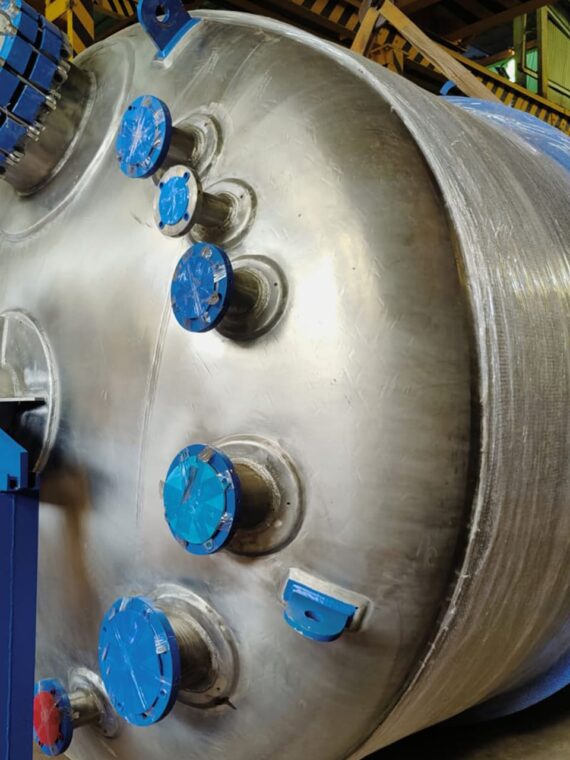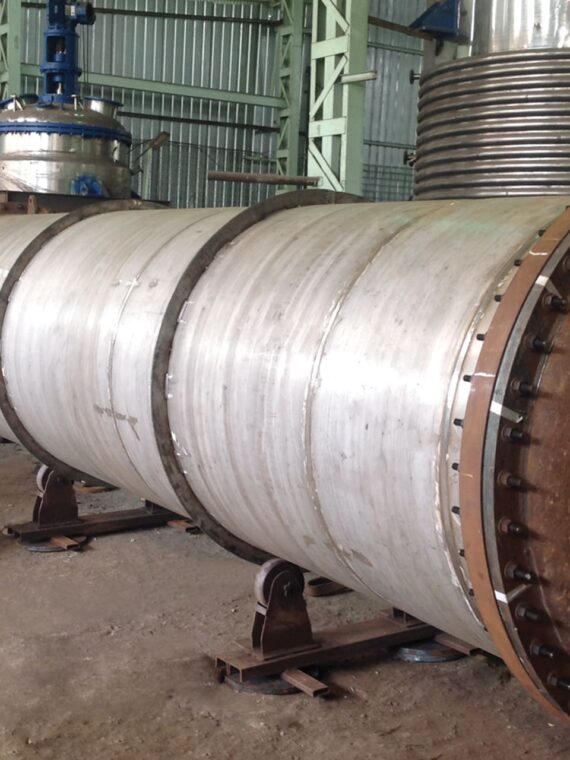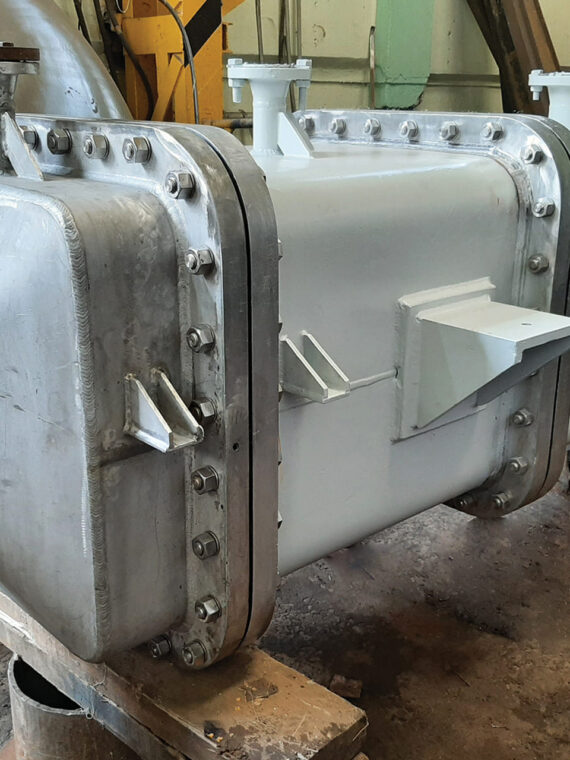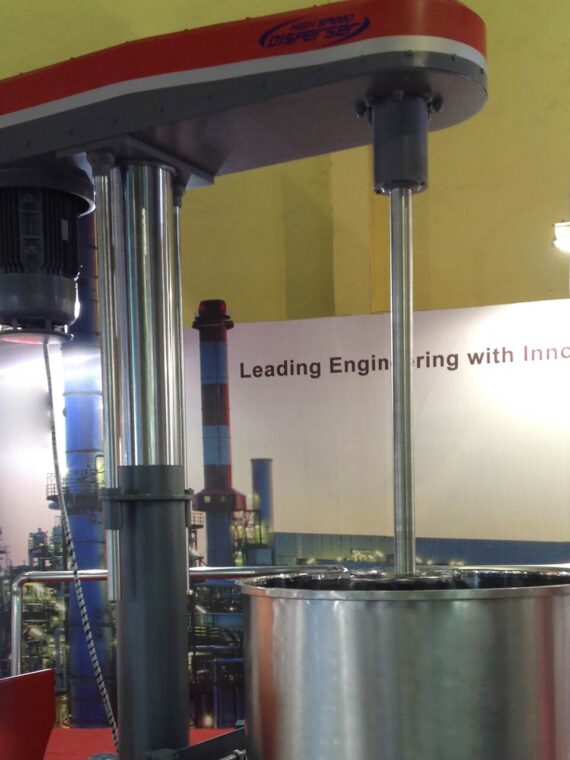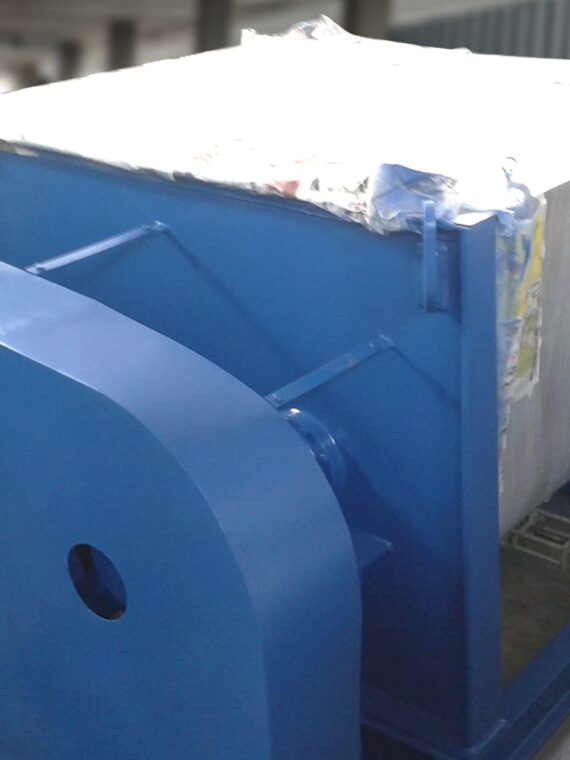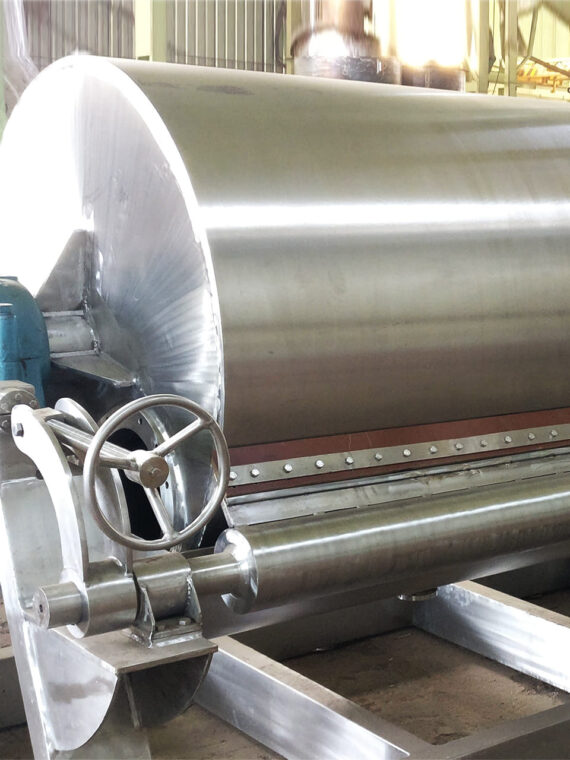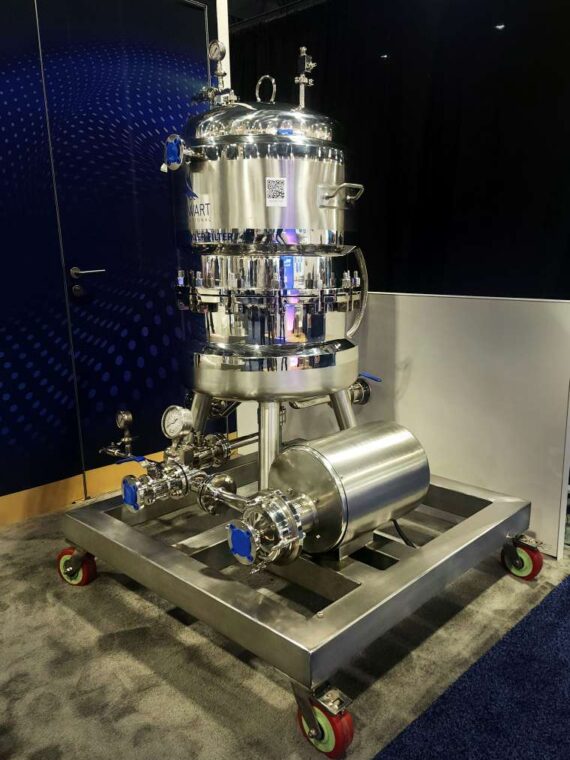

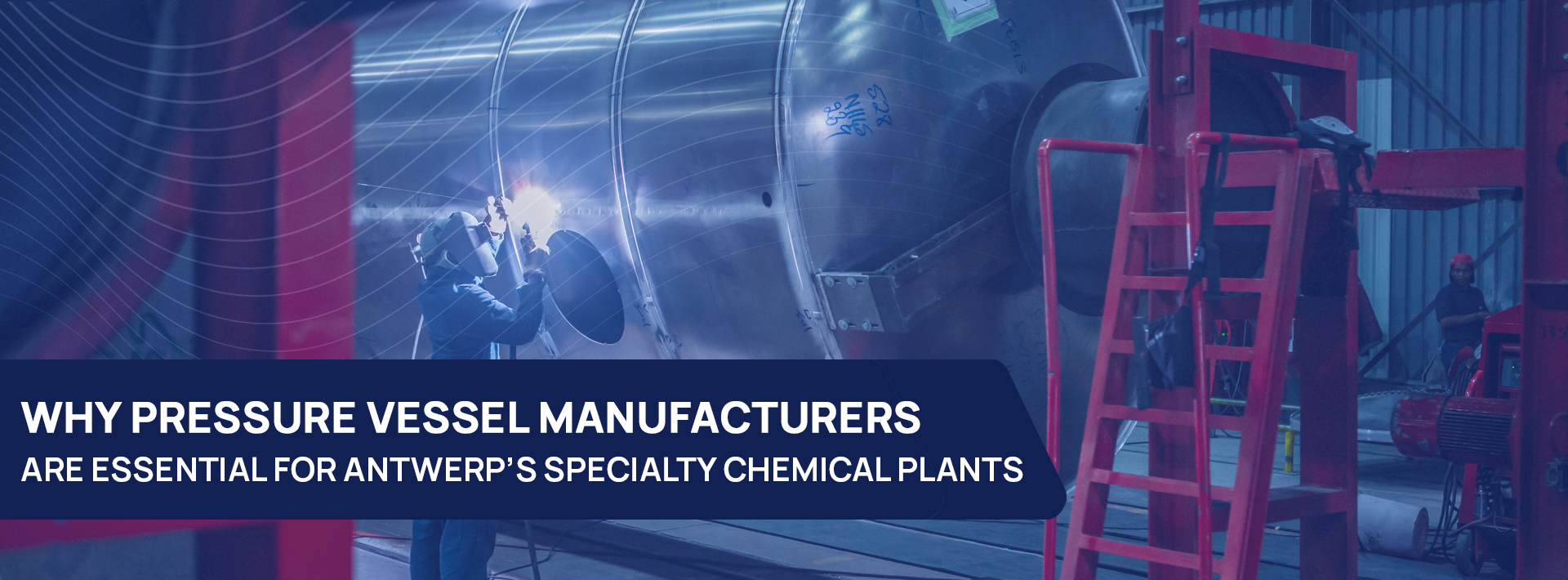
Antwerp is the location of one of the world’s most progressive and strategically important chemical clusters. It lies right at the heart of Europe’s industrial and economic complex, with large companies manufacturing specialty chemicals, polymers, intermediates, and coatings at the highest level. Plants of such a scale can operate safely, effectively, and at full capacity only when vessels are of high quality. Providing that backbone infrastructure requires a commitment from a cadre of skilled, experienced manufacturers of pressure vessels, their engineering expertise keeps the operations of specialty chemicals in Antwerp running smoothly.
The relevance of selecting a reputable manufacturer of pressure vessels in Antwerp or the EU region in general cannot be overemphasized in the current competitive and safety-conscious chemical environment. These enterprises are the pillars that sustain accuracy in manufacturing, compliance, stability of processes, and a stable and long-term reliability of plants.
Importance of Pressure Vessel Manufacturing in Antwerp’s Chemical Ecosystem
1. Antwerp’s Chemical Cluster and the Need for Engineered Pressure-Rated Facilities
Antwerp is Europe’s second-largest chemical cluster and a crucial gateway to global trade, thanks to the Port of Antwerp-Bruges. In this area, manufacturers of specialty chemicals face severe conditions: high pressures, high temperatures, corrosive materials, and complex reactions. The demanding conditions necessitate the use of
engineered facilities to meet such conditions, including:
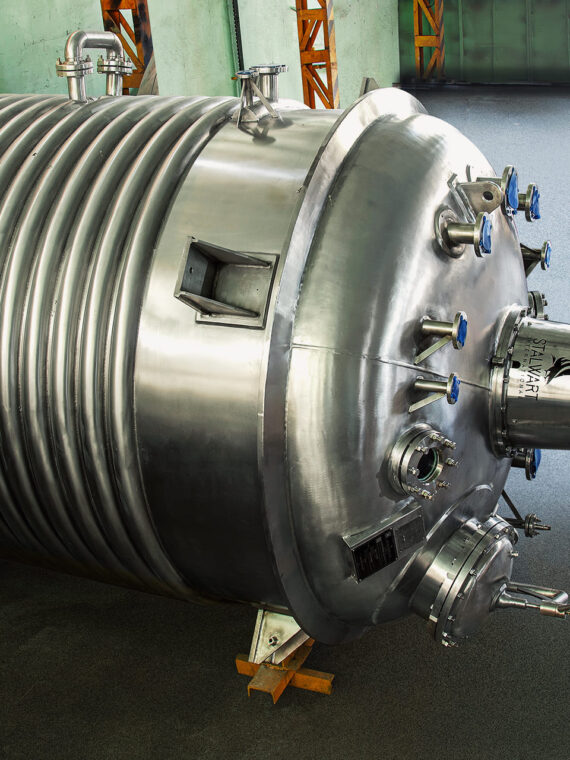
- High-pressure reactors
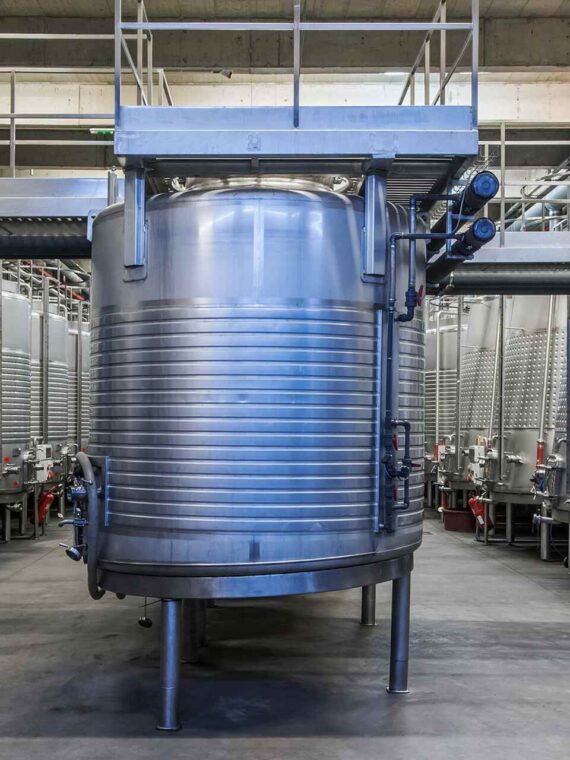
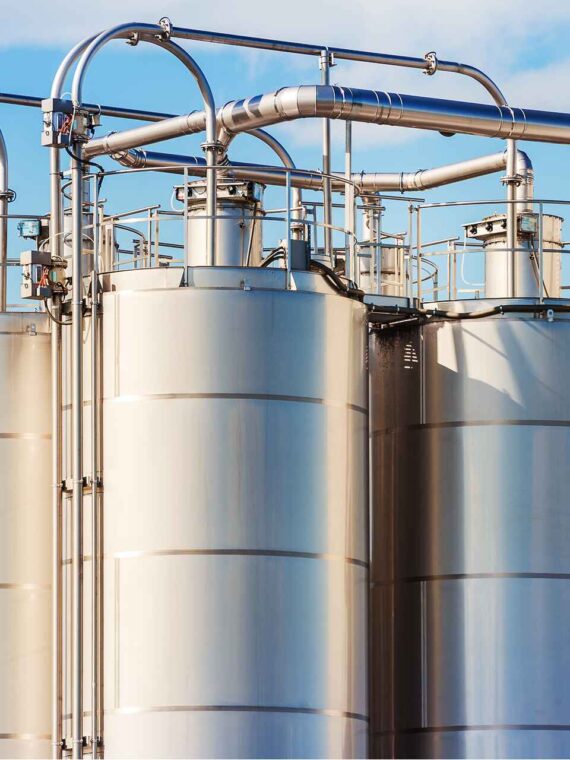
- Chemical storage tanks
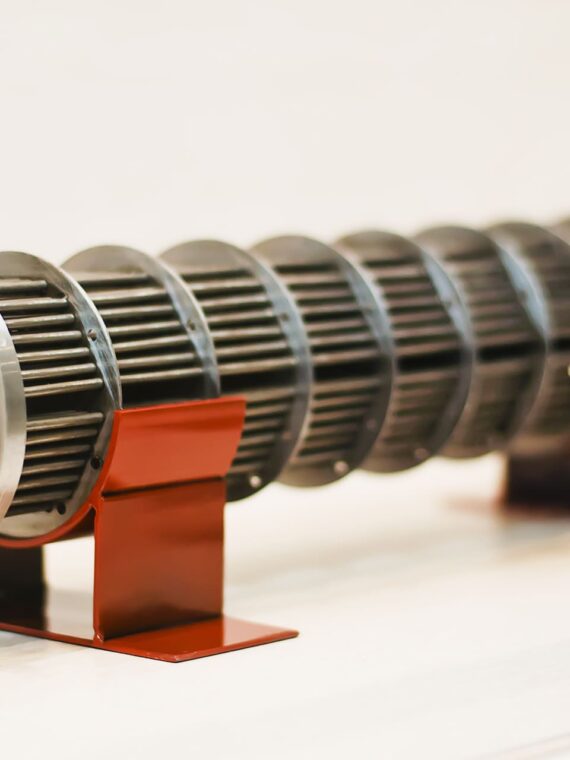
- Heat exchangers
- Distillation columns
- Mixing vessels
- Autoclaves
Process equipment that is pressure rated. All these systems need to be highly safe and provide reliable performance throughout decades of service. Professional manufacturers of pressure vessels are indispensable. The engineering skills, familiarity with materials, and compliance manufacturing mentality are the basis of chemical excellence in Antwerp.
2. Engineering Safety- Pressure Vessels: Safety in the Things that Matter.
The profile of risk is increased in specialty chemical plants. The response should be put under tight parameters, and any deviation can cause disastrous results. Pressure vessels are made to hold such reactions, particularly to ensure stability during production.
Reason why it is worth having precision in engineering:
- Leak prevention and rupture prevention.
- Resistance to elevated internal pressures and temperature.
- Anti-corrosive against corrosive chemicals.
- Structural integrity in service throughout high operations periods.
In Antwerp, manufacturers of industrial pressure vessels are bound to strict standards that include ASME, EN 13445, and PED, among others, to achieve 100 percent safety. Such certifications are necessary not just in order to protect but also to obtain regulatory approval and insurance compliance.
3. Facing Complex Specialty Chemical Processes.
Commodity chemicals are not similar to specialty chemicals; commodity chemicals need special formulations, high levels of purity, and very controlled processing conditions.
The pressure vessels are mainly involved in:
- Reaction Control: High-pressure reactors are used to achieve optimum reaction kinetics, thus enabling manufacturers to attain the required yield, purity, and consistency.
- Thermal Stability: Jacketed vessels and in-built heat exchangers are used to control important temperatures such as polymerization, hydrogenation, and distillation.
- Corrosion Resistance: There are always aggressive solvents, acids, and catalysts found in specialty chemicals. Stainless steel, Hastelloy, duplex steel, and alloys are used to produce pressure vessels that inhibit pollution and prevent early wear.
- Continuous Production Batch Production: Specialty plants can change their operational approach to batch and continuous feed efficiency by designing their vessels specially.
Precision manufacturing in the specialty chemical sector of the city of Antwerp could not exist without extremely engineered pressure vessels.
4. Compliance & Certifications: An Obligatory Requirement in Belgium.
Belgium has some of the stringent industrial safety standards in Europe, and the chemical firms of Antwerp have to undergo stringent certification standards.
The manufacturers of pressure vessels make sure that they comply with:
- PED (Pressure Equipment Directive)
- ASME Section VIII Divisions 1 & 2
- EN and DIN standards
- ATEX explosion-protection specifications.
- ISO 9001 and 14001
Adherence to these regulations is necessary not just to be safe but also to facilitate flawless audits of the plants, insurance covers, and continuity of operations in the long run.
You May Also Like: Understanding The ASME U Stamp: Quality & Safety of Pressure Vessel Manufacturing
5. Differentiation: The Specialty Chemical Innovation Secret.
The production of specialty chemicals is very diversified, and each plant needs vessels depending on:
- Viscosity levels
- Reaction kinetics
- Catalyst behavior
- Fouling tendencies
- Temperature sensitivity
- Pressure profiles
- Scale of production
Antwerp has reliable manufacturers of pressure vessels who collaborate with the team of engineers to design custom vessels to suit these special needs. Customization makes it possible, whether it be a 10,000-liter hydrogenation autoclave or a high-purity corrosion-resistant storage tank, which will fit perfectly into the plant operations.
6. Longevity & Performance: Continuity of Operations.
A specialty chemical plant is a type of plant that can be subjected to unplanned downtime, leading to millions of dollars in losses. Quality pressure vessels are designed with quality that ensures they last for decades with minimal upkeep.
It has such key performance benefits as:
- Practice: Improved resistance to fatigue.
- High mechanical strength
- Accurate welding and NDT inspection.
- Effective cooling of heat.
- Less leakage and maintenance problems.
One of the primary factors why the chemical manufacturers of Antwerp trust the services of reliable pressure vessel engineering firms, instead of standard-in-the-shelf solutions, is this long-term reliability.
7. Energy efficiency and Sustainability With innovative design.
With sustainability taking center stage in the minds of chemical producers around the world, the pressure vessel manufacturers are taking center stage in innovation.
Modern vessels incorporate:
- Heat transfer maximized to minimize energy consumption.
- State-of-the-art insulation materials.
- Minimizing solvent losses in designs.
- Coatings and environmentally friendly materials.
- Increased life cycles to minimize the environmental impact.
To the specialty chemical plants of Antwerp, which aim to achieve net-zero, sustainable process equipment is not an option anymore but a necessity.
You May Also Like: What Defines a World-Class Pressure Vessel Manufacturer
Conclusion
The specialty chemical plants in Antwerp rely on an intricate system of high-performance equipment to sustain international competitiveness. Among the technologies listed here, pressure vessels are the ones that are of utmost concern in ensuring safety, precision, and long-term operation efficiency. This dynamic industry is supported by skilled pressure vessel manufacturers who are able to offer the engineering expertise, customization, compliance, and reliability.
The choice of the appropriate manufacturing partner allows the chemical companies of Antwerp to increase the quality of production, decrease the operational risks, and maintain the specialty chemical innovation of Europe.
FAQs
1. Why are pressure vessel manufacturers so critical for Antwerp’s specialty chemical plants?
Because Antwerp’s chemical cluster handles high-pressure, high-temperature reactions, manufacturers must design vessels that withstand aggressive chemicals, continuous production cycles, and strict European safety requirements. Without specialized engineering and certified fabrication, plants cannot operate safely or at full capacity.
2. Which standards do manufacturers follow when supplying pressure vessels for Antwerp’s chemical industry?
Most manufacturers follow ASME Section VIII, PED (Pressure Equipment Directive) compliance, and EN 13445 standards. In Antwerp, PED compliance is mandatory, while ASME-coded vessels are accepted when paired with a PED conformity assessment.
3. What is the main function of a pressure vessel in specialty chemical production?
A pressure vessel provides a controlled environment for chemical reactions, storage, and processing under pressures and temperatures that exceed atmospheric levels. This enables safe handling of volatile chemicals, maintains reaction stability, and supports continuous plant operations.
4. How are industrial pressure vessels manufactured for chemical plants in Antwerp?
Manufacturers use certified materials (often carbon steel, stainless steel, or alloys), weld the shell components, perform heat treatment, apply non-destructive testing (NDT), and conduct hydrostatic or pneumatic testing. Each vessel must pass PED conformity checks before installation in the EU.
5. What types of pressure vessels are commonly used in Antwerp’s specialty chemical sector?
Typical vessels include reactors, storage vessels, heat exchangers, separators, knockout drums, and distillation columns. Their design depends on the chemical process, pressure rating, corrosion level, and plant layout.
6. What qualifies a manufacturer to supply pressure vessels to Antwerp’s chemical industry?
They must hold ASME U-Stamp or R-Stamp certifications, demonstrate PED compliance, use certified welding procedures, follow strict QA/QC programs, and have proven experience with vessels for corrosive and high-pressure chemical applications.