
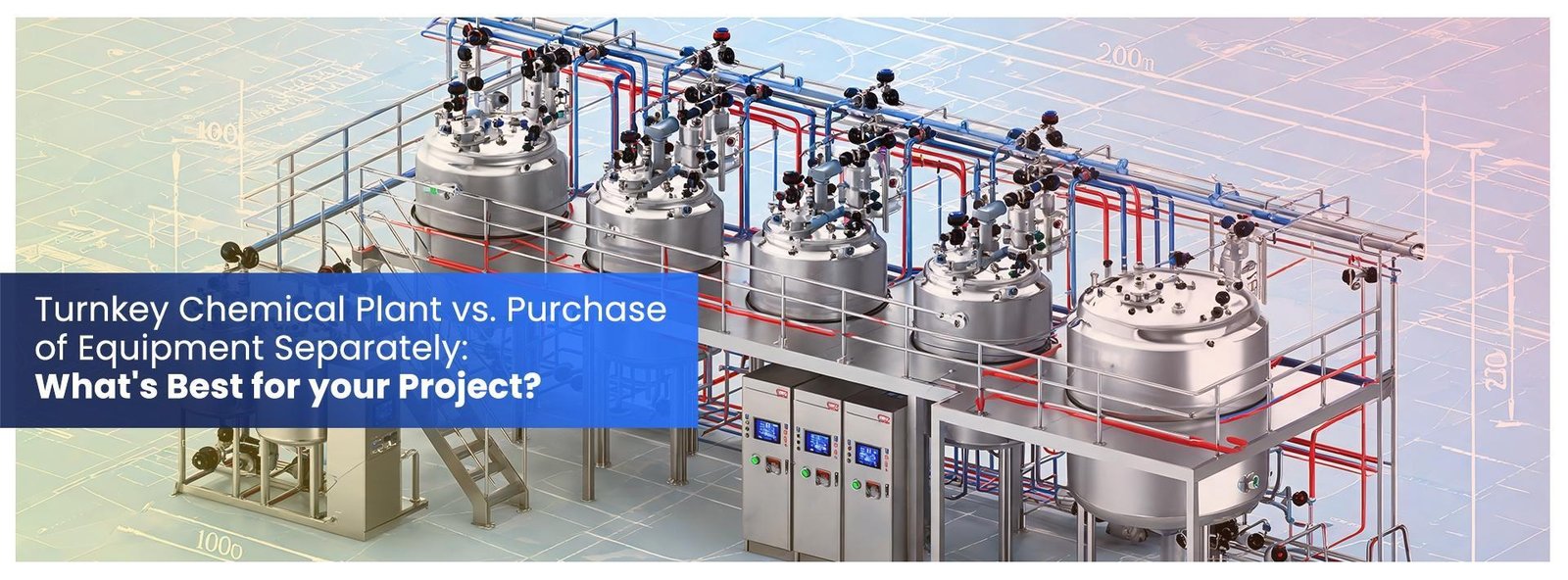
You’ve made up your mind to construct a chemical plant. Now, the big question arises – to buy equipment one by one and handle the project yourself or to let the complete project be handled by a turnkey partner? Both routes are effective, but they are appropriate to various situations. This article describes the difference between each, outlines the pros and cons of each, and provides some questions you should ask before you decide.
But what does ‘Turnkey’ really mean?
A turnkey project is a project in which one party provides the client with a plant ready for operation, ready to run and ready to produce. This typically covers start-up and commissioning, the process know-how, equipment design and supply, and installation in a chemical context.
The extent of the scope can differ depending on the contract and it is always best to spell it out in writing, what is covered, what isn’t and what is required, such as land, power connection and statutory approvals.
When Does Buying Equipment Separately Makes Sense?
Purchase of equipment only is appropriate in certain cases:
- You already have an in-house engineering team and project team with an experienced background.
- You are adding or replacing one unit in an existing plant.
- It is easy and familiar for your project team.
- You wish to choose each supplier, and negotiate each item individually.
The trade-off is that you’re the integrator. Coordination of drawings, delivery schedules, civil work, installation and commissioning, and you will take the risk if parts don’t fit together.
When Turnkey Saves Time and Money
A turnkey approach is helpful when:
- You are a new plant owner or new product line.
- You have a busy staff who can’t handle several vendors.
- You need a solid schedule and a one-stop point for issues.
- The process performance and equipment should be carefully matched.
The fewer the number of hands the fewer the number of gaps. One party is responsible for the performance, not multiple suppliers pointing fingers.
Hidden costs of maintaining multiple vendors.
It can seem cheaper on paper to buy equipment on its own as each quotation is visible and can be negotiated. In reality, there are some expenses not included in those quotes:
- Coordination time: Someone on your team has to follow up on drawings, approvals and delivery dates from each vendor.
- Interface gaps: usually identified during the inspection when nozzle positions, utility connections and instrument ranges do not match are discovered on site, this is where it will be the most time consuming and costliest to repair.
- Delayed commissioning: One late item can delay the entire start-up and all other suppliers can have been paid.
- Disputed responsibility: If the plant doesn’t perform well, each vendor can say that their part fulfilled specification.
These risks are not eliminated by the turnkey contract, but are shifted to the entity that is best suited to manage them.
Side-by-Side Comparison
| Factor | Equipment Only | Turnkey |
|---|---|---|
| Responsibility | Spread across several vendors and you | Single point of accountability |
| Project management | Your team | Partner’s team |
| Timeline | Depends on coordinating several suppliers | Planned and managed as one schedule |
| Cost visibility | Item-wise, but integration costs can surface later | Clearer overall scope and budget upfront |
| Performance assurance | Usually limited to each machine | Can cover overall plant performance, depending on contract |
| Flexibility | High | Depends on contract; changes may need formal approval |
Questions to Ask Any Turnkey Contractor
Before signing, find clear answers to these:
- Who’s giving the process know-how, and what experience does the team have in my sector?
- What is in scope, from process design to commissioning?
- What are the design principles used for pressure equipment?
- Does the contractor make and ship key equipment or outsource it?
- How is the project handled when timelines are exceeded, payment milestones missed or delayed?
- How is training, and after-sales support, provided?
- Do you have any references or information about previous work?
Why Equipment Manufacturers Make Strong Turnkey Partners
The partner who produces the equipment is familiar with its lead time, maintenance and capabilities. This decreases design mismatches and simpler to coordinate delivery, as items are constructed by the very same team that plans the venture.
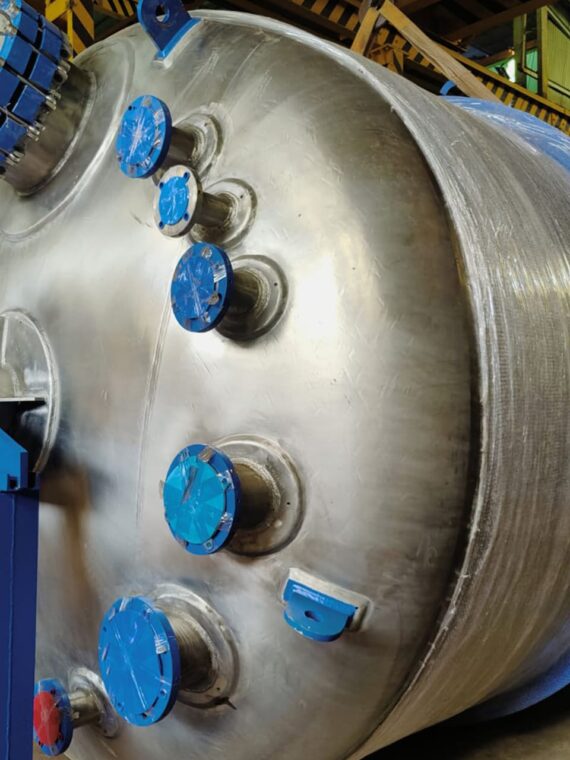
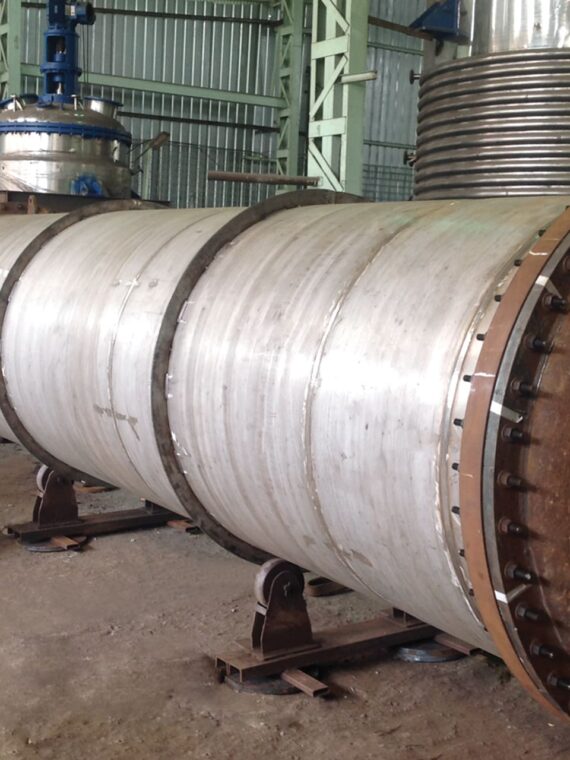
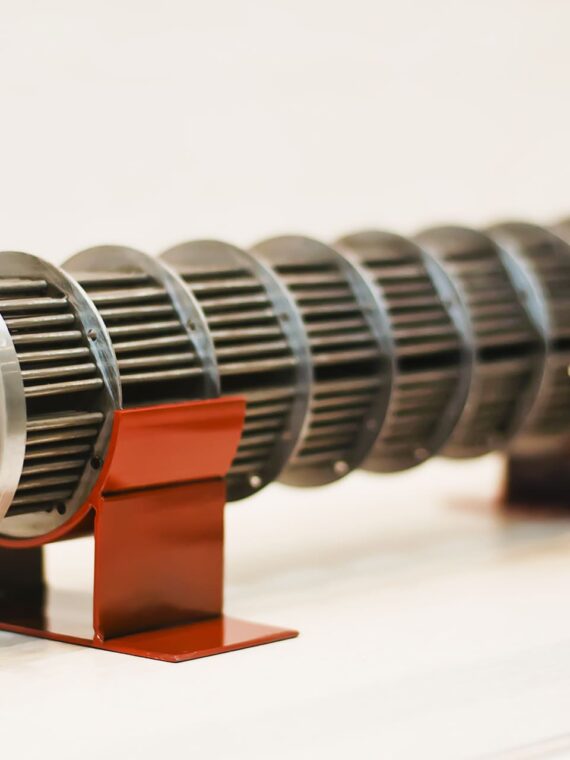
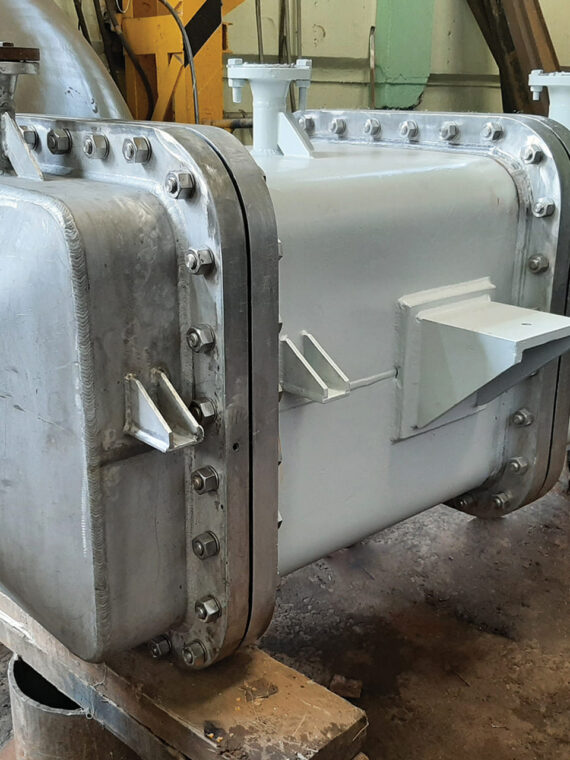
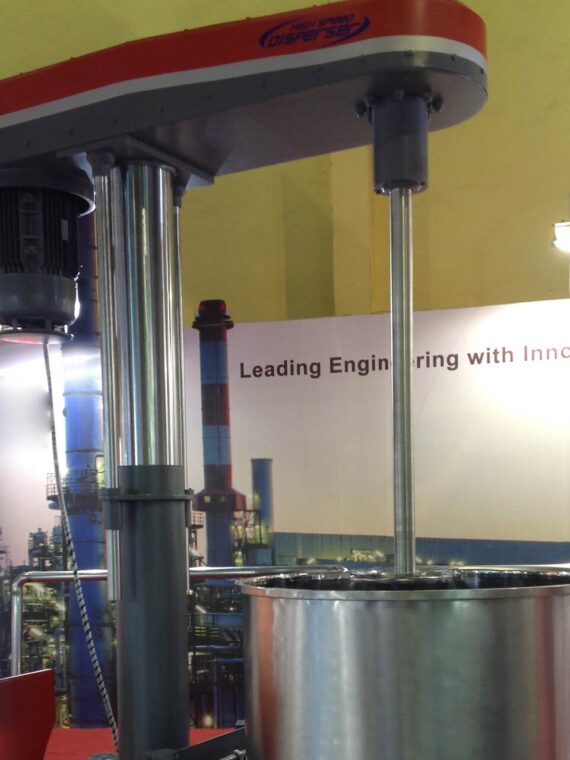
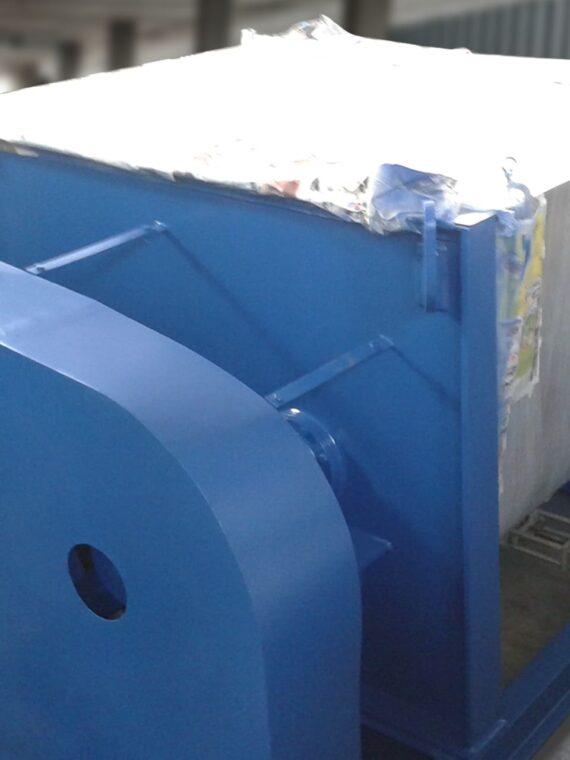
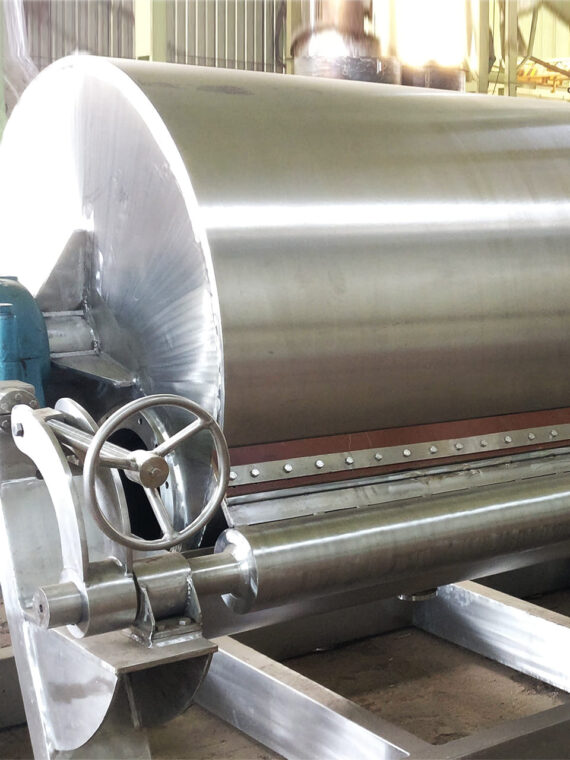
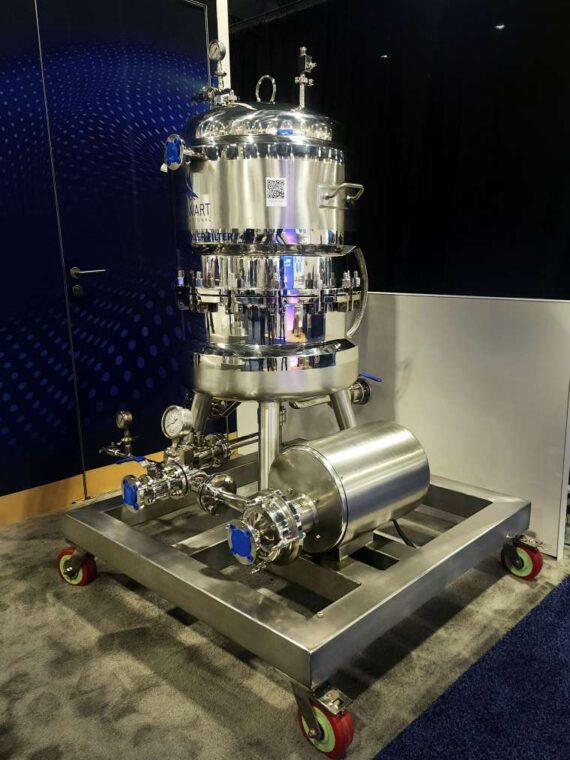
Stalwart International is a 42-year-old process equipment manufacturer specializing in the construction of chemical reactors, heat exchangers, distillation columns, high speed dispersers, blenders and storage tanks. Stalwart now also offers turnkey projects with a turnkey consultant with decades of hands-on experience in the industry. Single machines or complete plant can be purchased and engineering standard remains identical.
Making the Decision
Think about three questions:
- Does my staff have experience in plant projects?
- Am I willing to take any integration risk?
- What is the significance of a single point of accountability?
When your scope is simple, and your in-house capability is strong, equipment-only can be effective. Turnkey is typically the more predictable and less coordinated option if you wish to avoid the hassle of making the many coordination calls.
Not certain which way is best for your project? Call Stalwart International on +91 70301 13388 or get in touch at www.stalwartint.com and discuss a project.
FAQs
What is the difference between equipment-only and turnkey projects?
An equipment-only project involves purchasing individual machines or equipment from suppliers, while the buyer manages installation, integration, coordination and project execution. A turnkey project involves a single partner managing multiple project stages, which may include equipment supply, engineering, installation, commissioning and performance assurance, depending on the contract.
What is an equipment-only project?
An equipment-only project is an arrangement where a company purchases machinery or specific equipment from suppliers without assigning responsibility for the entire project. The buyer typically manages installation, integration, project coordination and overall system performance.
What is a turnkey project?
A turnkey project is a complete project delivery model in which one partner takes responsibility for delivering an operational facility or system. Depending on the agreed scope, services may include design, engineering, equipment procurement, installation, integration, testing and commissioning.
Is a turnkey project more expensive than equipment-only procurement?
Not necessarily. Equipment-only procurement may have a lower initial purchase cost, but additional expenses can arise from installation, integration, multiple vendors and project management. Turnkey projects generally provide better upfront visibility into the overall project scope and budget, although the final cost depends on specifications and contractual terms.
Which option offers better project management?
Turnkey projects generally offer more streamlined project management because a single partner coordinates the agreed project activities. In equipment-only procurement, the buyer’s internal team must coordinate different suppliers, contractors and installation activities.
Which approach offers better control over project timelines?
Turnkey projects typically offer better timeline coordination because activities are planned and managed under one project schedule. Equipment-only projects may require additional coordination between suppliers, which can affect installation and commissioning timelines.
Who is responsible for equipment performance in a turnkey project?
In a turnkey project, the delivery partner may provide performance guarantees covering the overall plant or system, depending on the contract. In equipment-only procurement, warranties and performance commitments are generally limited to individual machines or supplied equipment.
Can I make changes during a turnkey project?
Yes, changes may be possible during a turnkey project. However, modifications to the agreed scope, design or specifications may require formal approval and can affect project costs and timelines. The flexibility depends on the contract.
When should a business choose equipment-only procurement?
Equipment-only procurement can be suitable when a business has an experienced in-house engineering and project management team, wants direct control over supplier selection, or needs to purchase specific machinery for an existing facility.
When should a business choose a turnkey project?
A turnkey project can be suitable when a business wants a single point of accountability, coordinated project execution, simplified vendor management and clearer overall project planning. It is particularly useful when multiple systems or equipment components need to work together.