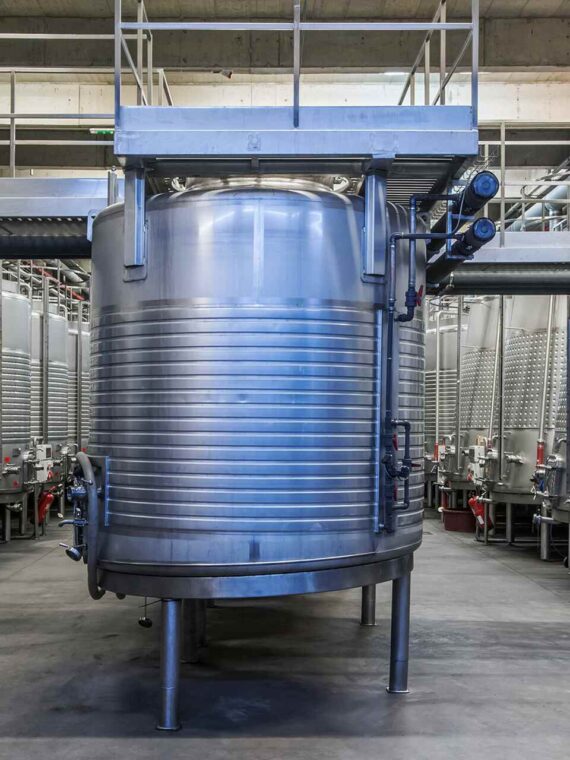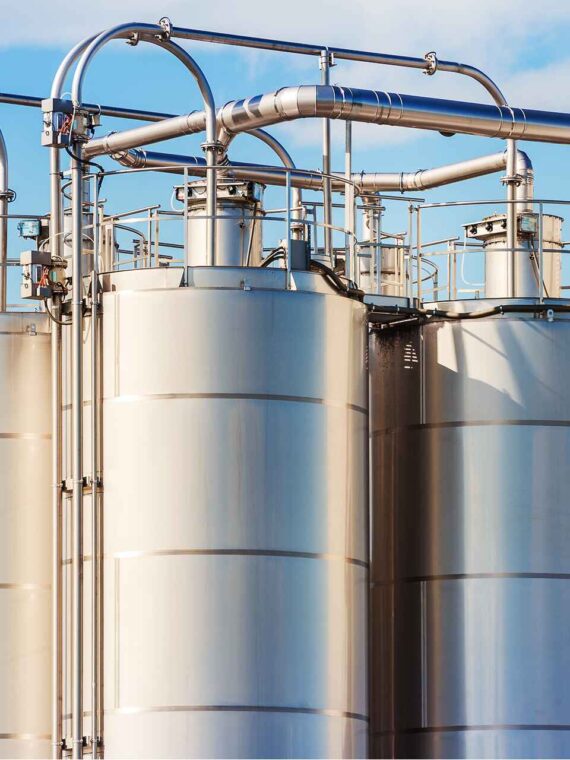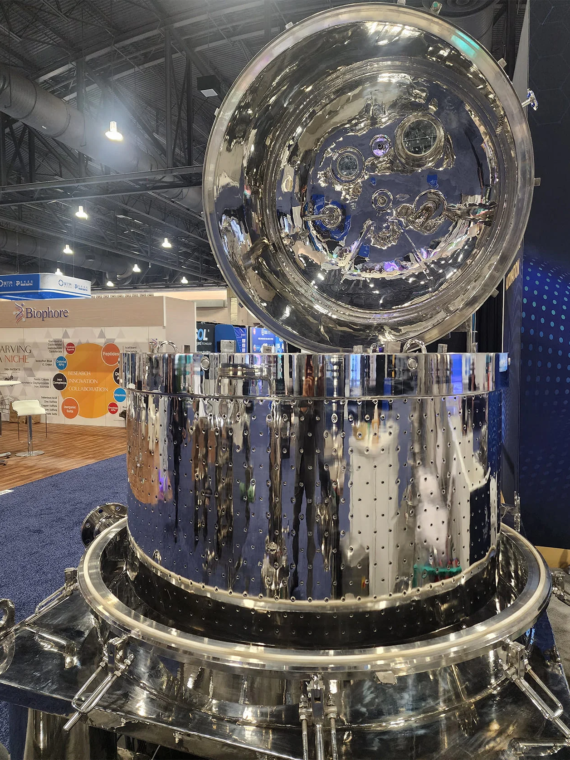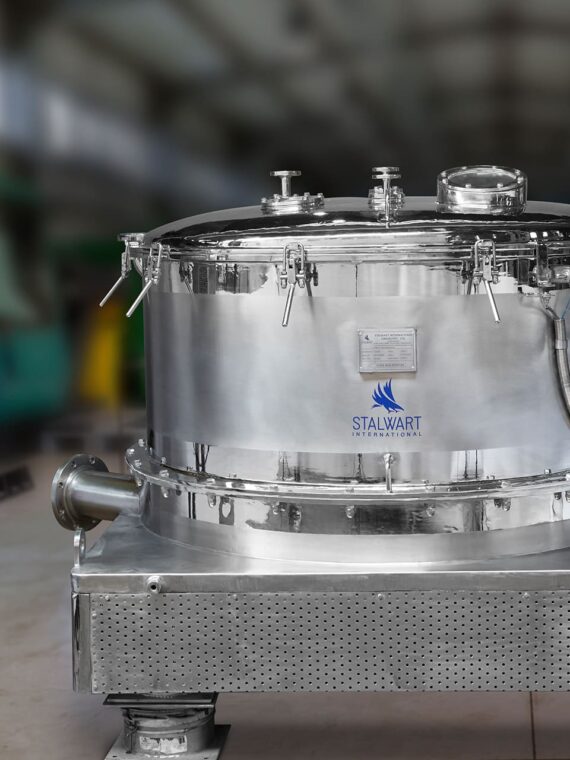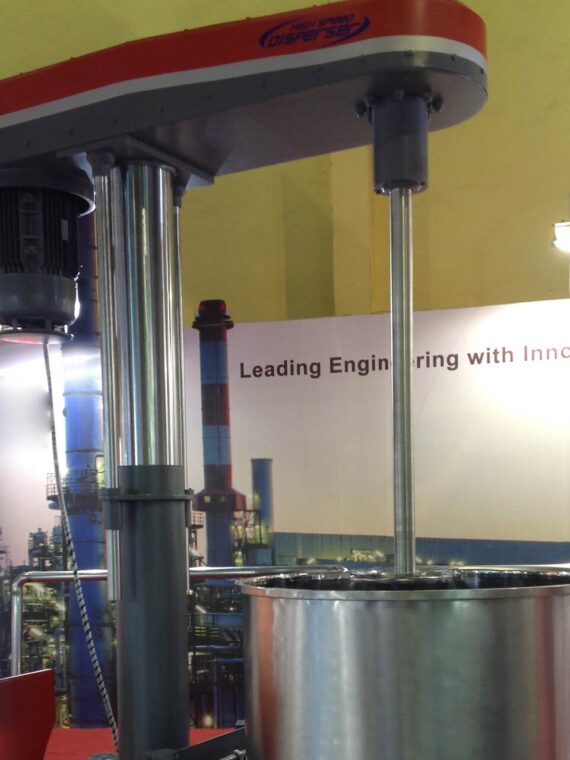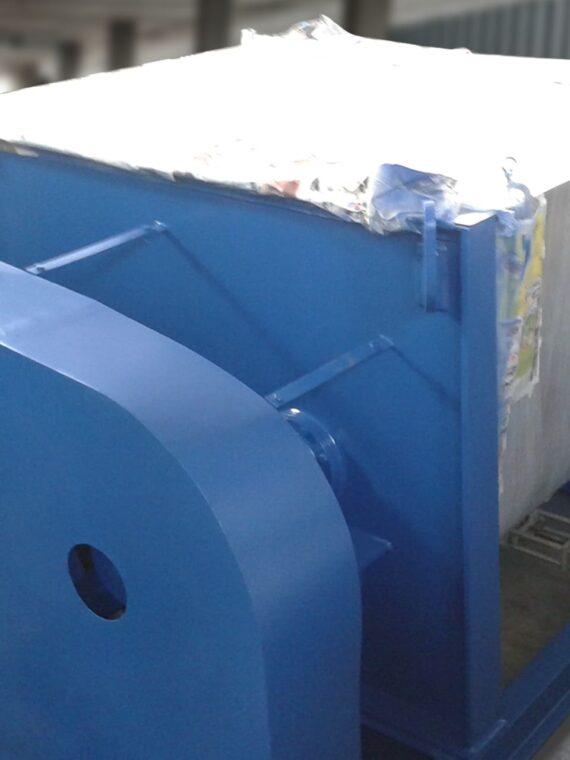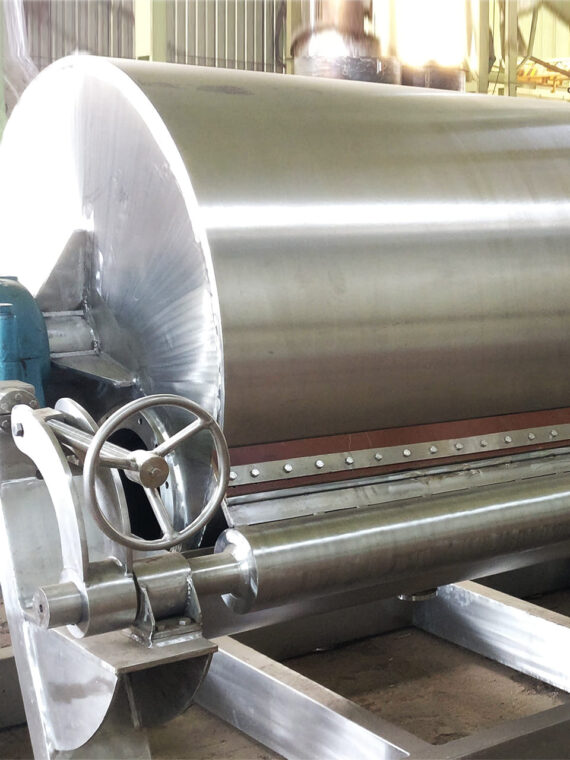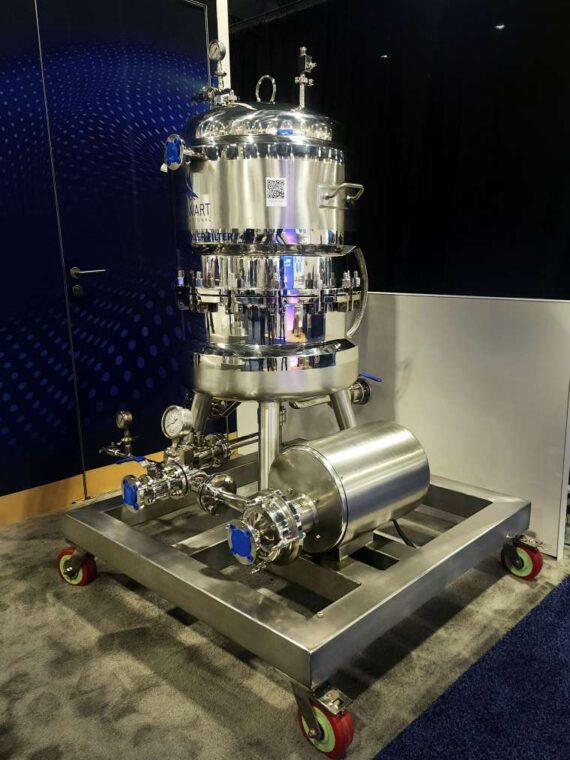

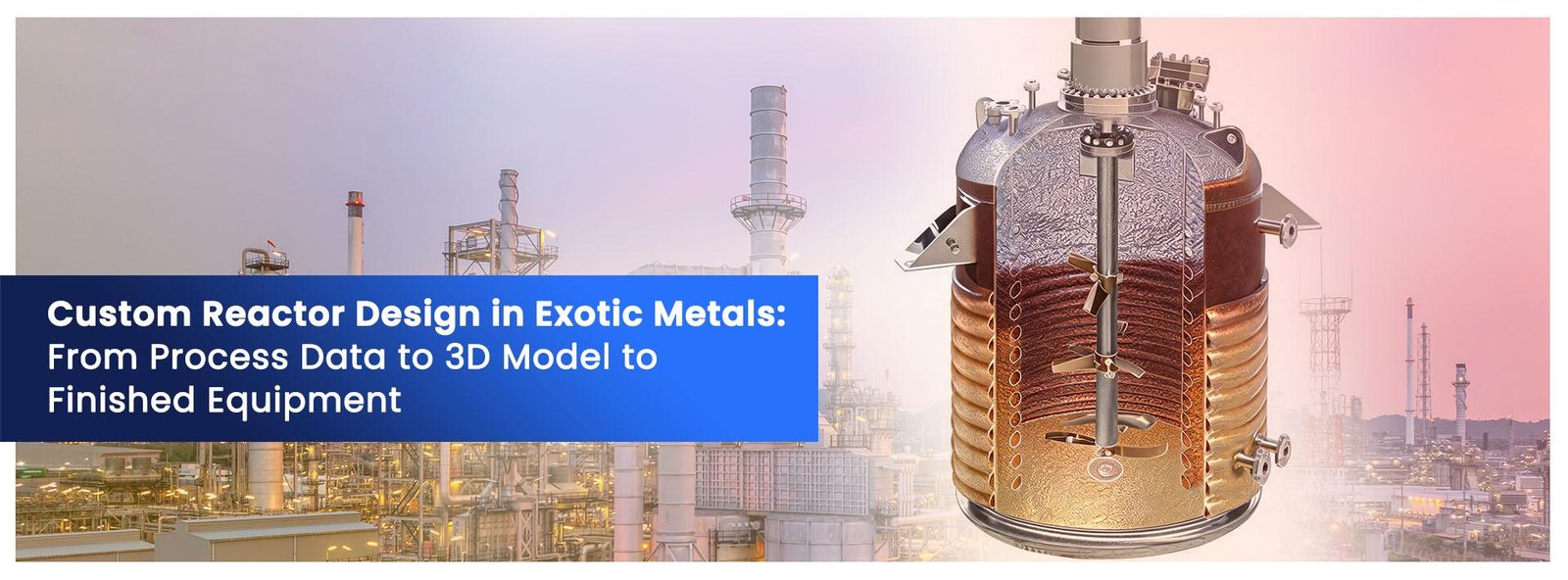
No two chemical processes are identical. Reaction chemistry, temperature, pressure, agitation and cleaning needs all differ, so a catalogue reactor rarely delivers the best result. A custom chemical reactor manufacturer works from your process, not from a standard drawing.
Here is how a custom reactor in exotic metals moves from concept to commissioning.
Step 1: Collecting Process Data and Requirements
Good design starts with good data. A manufacturer needs to understand:
- Chemicals involved and their concentrations
- Operating and design temperature and pressure
- Batch size and working volume
- Heating and cooling needs
- Mixing requirements and viscosity
- Cleaning, safety and regulatory requirements (for example, cGMP for pharma)
This information drives every later decision, so the more complete it is, the fewer revisions you will face.
Step 2: Material Selection
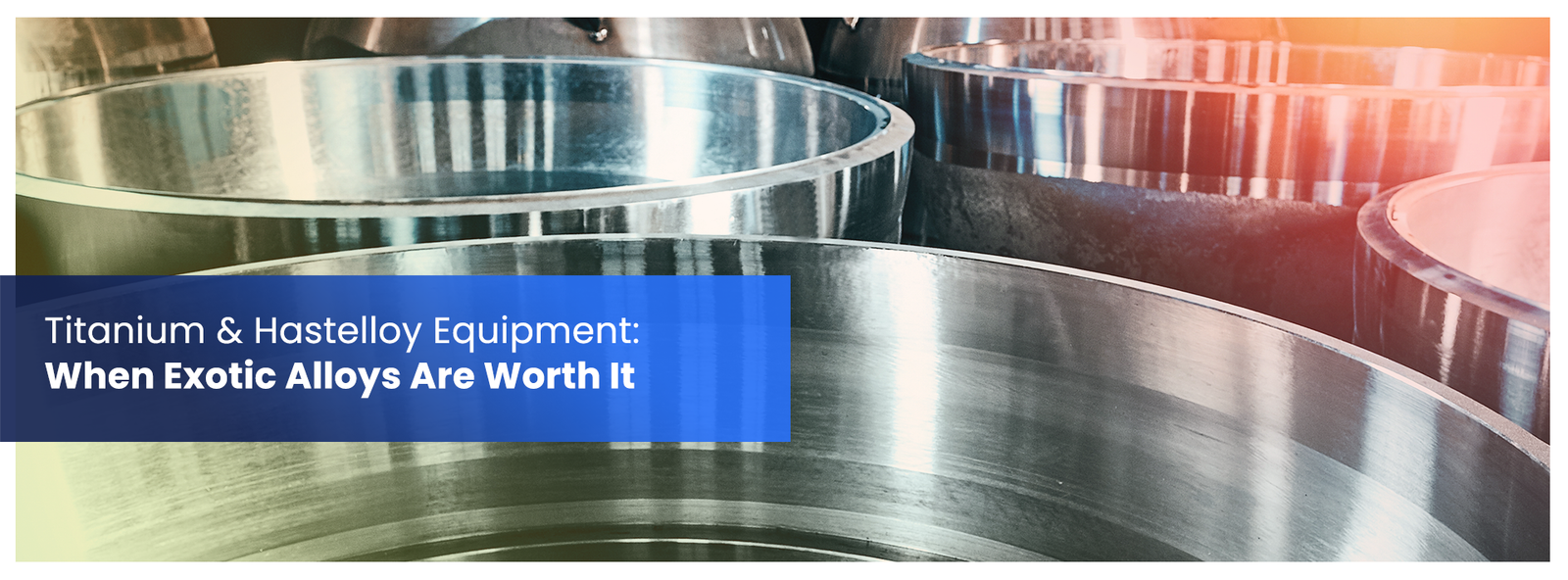
Material choice determines safety and service life. Depending on the media, the options may include stainless steel 316L, duplex or super duplex, titanium, Hastelloy, Inconel, Monel or nickel, or cladded construction where an exotic layer protects a carbon steel base. An experienced team weighs corrosion data, cost and fabrication feasibility, and recommends exotic alloys only where they pay off.
Step 3: Engineering Design and 3D Modelling
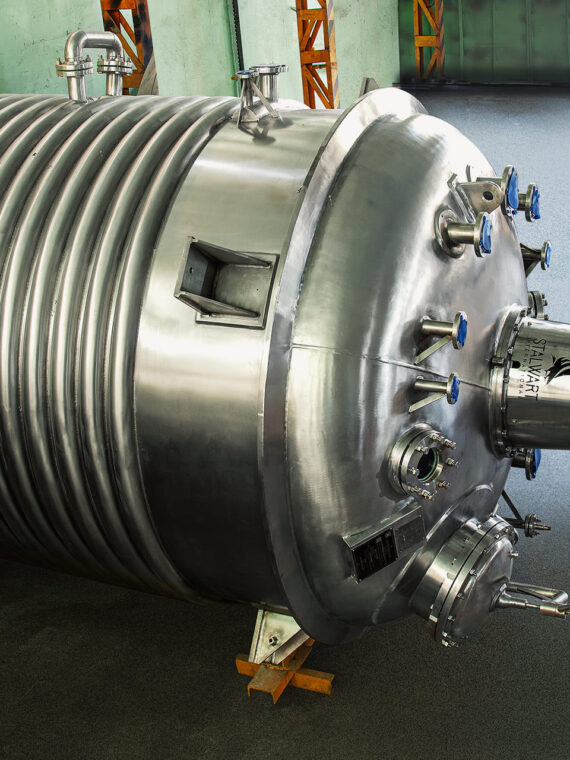
Next comes mechanical design: shell and head thickness, nozzles, jackets or half-pipe coils, agitator and shaft, seals, supports and instrumentation connections. Using 3D modelling and simulation, engineers can check layout, clearances and stresses before any metal is cut. This reduces clashes, speeds up approval, and allows you to review the design visually. Designs follow recognised codes such as ASME, with calculations and drawings provided for approval.
Step 4: Drawing Approval and Planning
You review general arrangement drawings, material specifications and the quality plan. Changes are cheapest at this stage. Once approved, procurement and production planning begin, including material ordering with test certificates for traceability.
Step 5: Fabrication
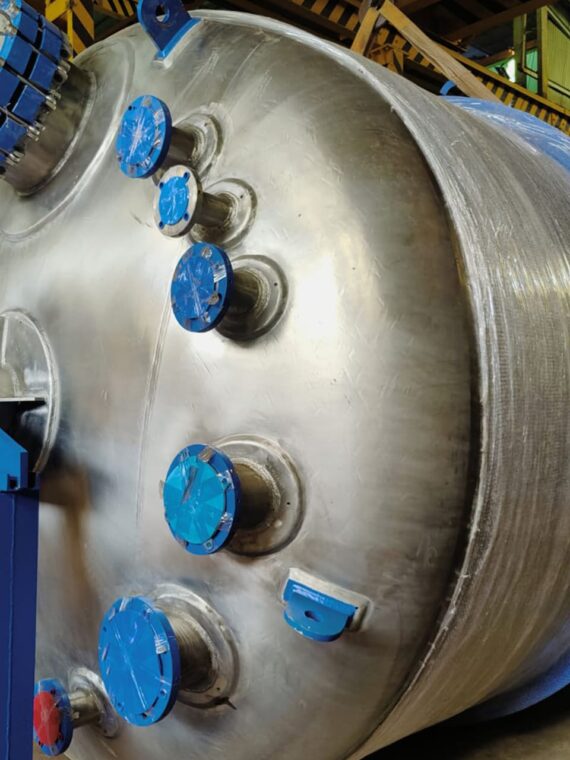
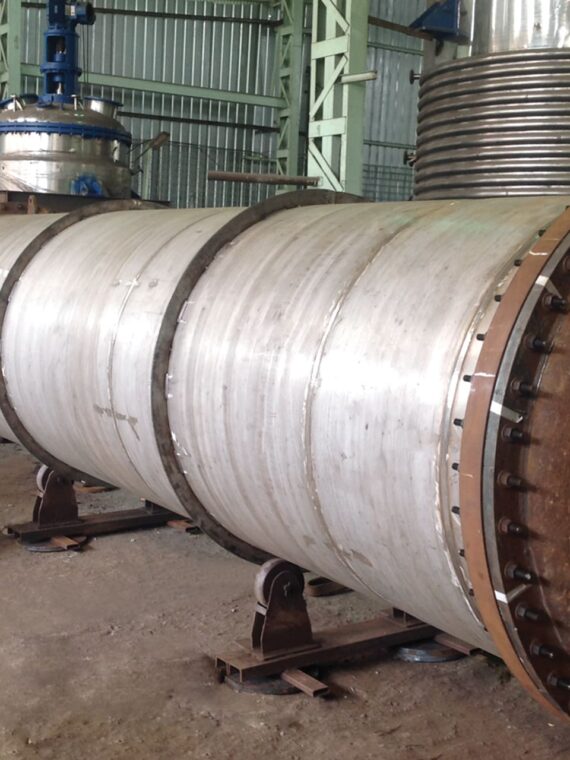
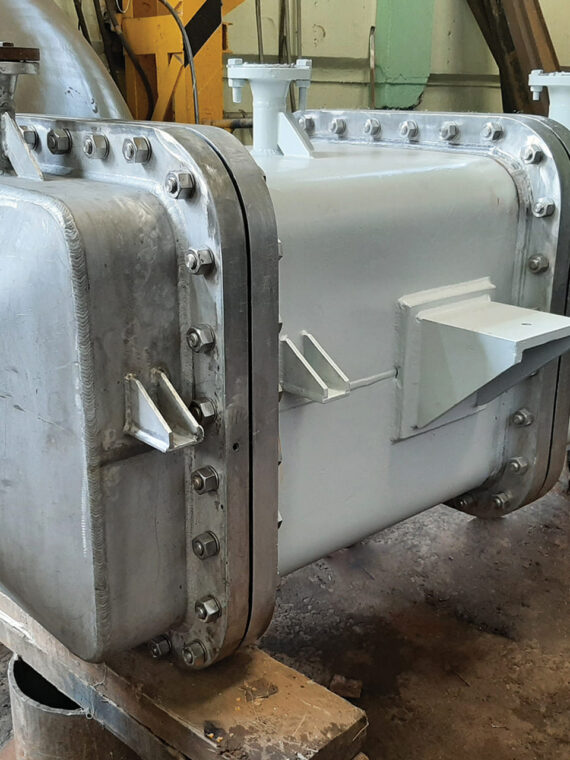
Fabrication in exotic metals demands skill. Forming, welding and finishing must preserve the alloy’s corrosion resistance. Qualified welding procedures, qualified welders, and controlled cleaning and pickling are essential. In-house fabrication gives tighter control over quality and delivery.
Step 6: Testing and Quality Assurance
Before dispatch, the reactor goes through inspection and testing, which may include:
- Positive material identification (PMI)
- Non-destructive weld examination
- Hydrostatic pressure testing
- Dimensional and surface finish checks
- Agitator and mechanical run checks
You receive a documentation package with material certificates, test reports and drawings.
Step 7: Delivery, Installation and Commissioning
Safe packing and logistics matter, especially for exports. A true turnkey process equipment partner then handles installation and commissioning at your site, trains your operators, and supports you after handover with maintenance and spares. This single point of responsibility reduces coordination risk and project delays.
Why Choose a Turnkey Partner?
Working with one supplier from design to commissioning means clearer accountability, faster schedules and consistent quality. It also helps EPC contractors and plant owners who want fewer interfaces to manage.
Stalwart International has 45+ years of experience, 500+ projects and exports to 14 countries. Our team designs and builds chemical reactors, high pressure vessels, columns, heat exgchangers and more in exotic and stainless alloys, backed by ASME U Stamp, CE and ISO 9001 certifications, plus installation, commissioning and maintenance services.
Have a process in mind? Send us your data and we’ll help you turn it into finished equipment.
FAQs
What is custom reactor design?
Custom reactor design involves engineering a chemical reactor around specific process requirements, including chemicals, operating temperature and pressure, batch size, mixing, heating, cooling and cleaning requirements.
Which materials are used to manufacture custom chemical reactors?
Custom chemical reactors may be manufactured from stainless steel 316L, duplex and super duplex stainless steel, titanium, Hastelloy, Inconel, Monel, nickel or clad materials. The choice depends on corrosion resistance, process conditions, fabrication feasibility and cost.
Why are exotic metals used in chemical reactor manufacturing?
Exotic metals are selected for applications that require specific corrosion resistance or performance under demanding process conditions. The appropriate alloy depends on the chemicals involved, their concentrations, operating temperatures and pressures.
What information is required to design a custom chemical reactor?
Manufacturers typically need details about the process chemicals and concentrations, operating and design temperatures and pressures, working volume, batch size, agitation, viscosity, heating and cooling requirements, cleaning procedures and applicable safety or regulatory requirements.
How does 3D modelling help in custom reactor design?
3D modelling helps engineers review reactor layout, nozzle positions, clearances, supports, agitators and connected components before fabrication. Engineering simulations can also help assess stresses and identify potential design clashes.
Which design codes are followed for pressure reactor manufacturing?
Pressure reactor designs may follow recognised codes such as the ASME Boiler and Pressure Vessel Code, depending on the equipment, operating conditions, applicable regulations and project specifications.
What quality tests are performed on custom chemical reactors?
Depending on the design and project requirements, testing may include positive material identification (PMI), non-destructive weld examination, hydrostatic pressure testing, dimensional inspection, surface finish checks and agitator or mechanical run checks.
What documents are provided with a custom-built reactor?
A typical documentation package may include material test certificates, inspection and test reports, engineering drawings and other project-specific quality records. The exact documentation depends on the agreed specifications and applicable code requirements.
What are the benefits of choosing a turnkey reactor manufacturer?
A turnkey manufacturer can coordinate engineering, material selection, fabrication, testing, delivery, installation and commissioning. Using one supplier can improve accountability, reduce coordination between vendors and help manage project schedules.
How do I choose a custom chemical reactor manufacturer in India?
Evaluate the manufacturer’s engineering experience, expertise with exotic alloys, fabrication capabilities, welding qualifications, quality assurance procedures, relevant certifications, testing facilities and ability to provide complete documentation and commissioning support.
Can custom reactors be designed for pharmaceutical applications?
Yes. Custom reactors can be designed around pharmaceutical process requirements, including batch volume, temperature control, mixing, cleaning and applicable regulatory requirements such as current Good Manufacturing Practice (cGMP), where relevant.
Does Stalwart International provide reactor installation and commissioning?
Yes. According to the article, Stalwart International offers turnkey process equipment services that include installation, commissioning, operator training, maintenance and spare parts support.