
One of the most critical choices in the design of any process plant is the selection of material. Many standard stainless steels such as SS 304 or SS 316L are effective in a variety of services, but they do not perform well for chlorides or high pressure and aggressive media.
That’s why engineers employ duplex and super duplex grades. This guide offers an in-depth comparison of these two on strength, chloride resistance, and cost to help you determine the best fit for your corrosion resistant equipment.
What Are Duplex and Super Duplex Stainless Steels?
Both are “duplex” due to the presence of approximately equal amounts of austenite and ferrite in their microstructure. This combination provides them with greater strength than austenitic grades and resistance to stress corrosion cracking.
- Duplex (for example, 2205, UNS S31803/S32205): about 22% chromium, 3% molybdenum, 5–6% nickel, plus nitrogen.
- Super duplex (e.g. 2507, UNS S32750): ~25% chromium, ~7% nickel, ~3.5-4% molybdenum and higher nitrogen.
Super duplex has enhanced pitting resistance (as measured by PREN) because of the additional alloying elements. The PREN of duplex 2205 is usually about 35. Super duplex is a rating higher than 40.
Strength Comparison
Both grades have approximately double the yield strength of SS304 and SS316L. Super duplex is even stronger. This means that designers can specify thinner walls, hence a lighter weight which sometimes outweighs the higher cost per kg. This is particularly important for large pressure vessels, columns and heat exchangers, in which the plate thickness becomes a key factor in fabrication cost.
Chloride and Corrosion Resistance
This is where the grades separate.
Duplex is significantly more resistant to chloride stress corrosion cracking than SS 316L. It is suitable for brackish water, moderate chloride process streams and many chemical and pharmaceutical applications.
Super duplex is used when more severe conditions exist: seawater, high chloride levels and hot brines as well as acidic streams containing chlorides. It is widely used in offshore, desalination and demanding chemical service.
Duplex grades are normally restricted to service temperature below approximately 300°C due to embrittlement at higher temperatures. Refer to relevant code for which temperatures are allowed for the design.
Cost Considerations
Duplex contains less nickel than 316L, so it can be cost effective and less exposed to nickel price swings. The higher nickel, chromium and molybdenum content in super duplex increases its cost. This is because it is harder to fabricate, labour and inspection costs are also higher. The right way to compare is the total cost of ownership: wall thickness, initial price, maintenance, downtime and service life.
When is Duplex Not Enough?
Select duplex stainless steel fabrication if:
- Moderate chloride level and temperature in range.
- Higher strength than 316L, or stress corrosion cracking resistance.
- Budget matters and conditions don’t justify the premium for super duplex.
When Should You Step Up to Super Duplex?
Indicate super duplex Pressure Vessels when:
- The process involves seawater, concentrated chlorides or hot brine.
- High risk of pitting and crevice corrosion.
- High operating pressure and a desire to minimize wall thickness.
- Failure would be costly or hazardous, so it is worth the cost to have a longer life.
Fabrication Matters as Much as Material
Duplex grades require close control when welding. The correct ferrite-austenite balance requires handling of heat input, interpass temperature and filler selection. The quality of the welds can compromise the corrosion protection you paid for. Look for a manufacturer with qualified welding procedures, trained welders, positive material identification, and weld testing.
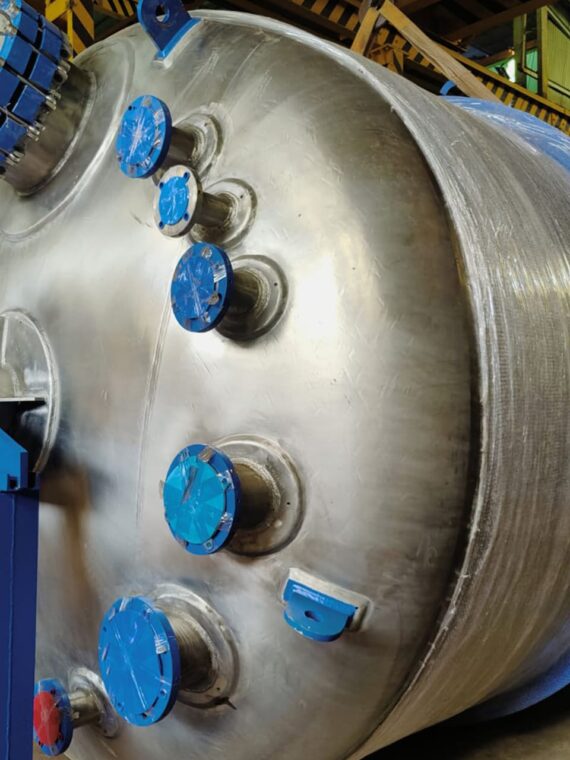
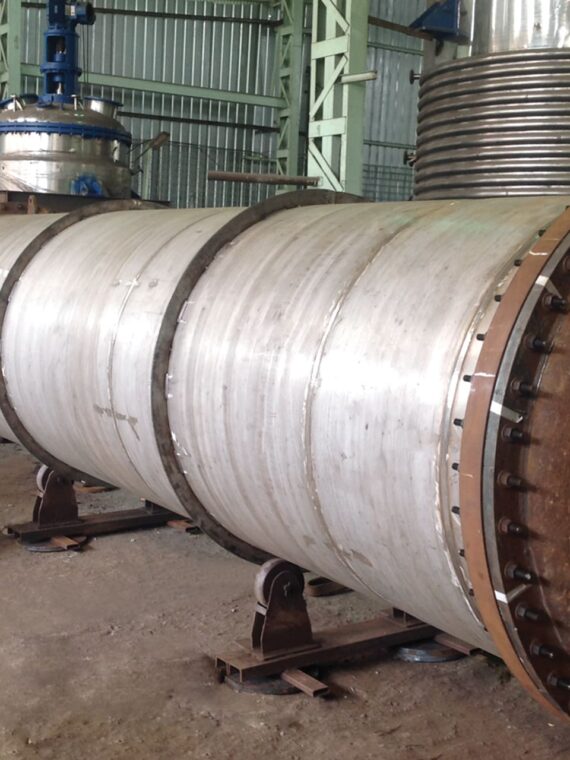
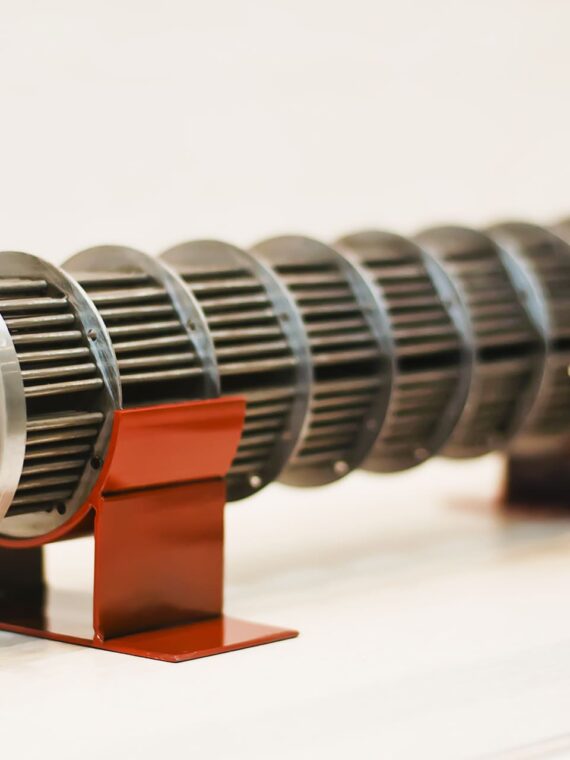
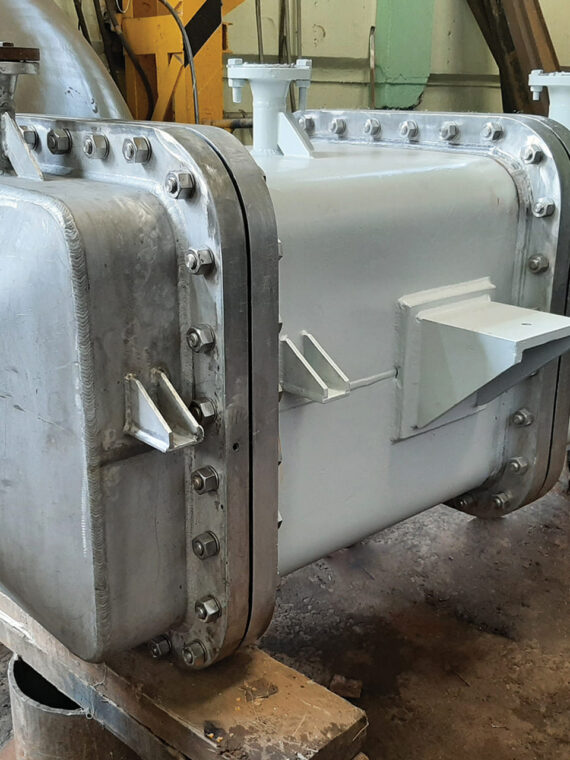
We can make process equipment in duplex, super duplex and a variety of exotic alloys at Stalwart International and assist you in comparing the alternatives to your actual process conditions. With 45+ years of experience and certifications including ASME U Stamp, CE and ISO 9001, we build reactors, vessels, columns and heat exchangers for global buyers.
Worried about which grade you need? Share your process data and get a quote.
FAQs
What is the difference between duplex and super duplex stainless steel?
The main difference between duplex and super duplex stainless steel is their alloy composition, strength and corrosion resistance. Duplex stainless steel, such as 2205, contains approximately 22% chromium, while super duplex 2507 contains around 25% chromium and higher molybdenum content. Super duplex offers greater resistance to pitting, crevice corrosion and chloride-rich environments.
Which is better, duplex 2205 or super duplex 2507?
Neither grade is universally better. Duplex 2205 is suitable for moderate chloride environments and applications requiring high strength and corrosion resistance. Super duplex 2507 is better suited for aggressive environments involving seawater, high chloride concentrations and elevated corrosion risks.
Is super duplex stainless steel stronger than duplex stainless steel?
Yes. Super duplex stainless steel generally offers higher yield strength than standard duplex grades. Both materials typically provide approximately twice the yield strength of conventional austenitic stainless steels such as SS 304 and SS 316L, depending on the product form and applicable specifications.
Why is super duplex stainless steel more expensive?
Super duplex stainless steel is generally more expensive because it contains higher levels of chromium, molybdenum and nitrogen, along with alloying and manufacturing requirements that increase production costs. Its fabrication also requires careful welding procedures, inspection and quality control.
Is duplex stainless steel suitable for seawater applications?
Duplex 2205 can be suitable for certain seawater-related applications, depending on temperature, flow conditions, chloride concentration and design requirements. However, super duplex 2507 is generally preferred for more aggressive seawater environments because of its higher resistance to pitting and crevice corrosion.
What is the PREN value of duplex and super duplex stainless steel?
The Pitting Resistance Equivalent Number (PREN) indicates a stainless steel’s resistance to pitting corrosion.
– Duplex 2205: Typically around 34–36.
– Super duplex 2507: Typically above 40.
A higher PREN generally indicates better pitting corrosion resistance, although actual performance also depends on operating conditions and fabrication quality.
What industries use duplex and super duplex stainless steel?
Duplex and super duplex stainless steels are widely used in industries where strength and corrosion resistance are essential, including:
– Oil and gas processing
– Offshore and marine engineering
– Chemical processing plants
– Desalination facilities
– Petrochemical industries
– Pharmaceutical manufacturing
– Power generation
Can duplex and super duplex stainless steel be used for pressure vessels?
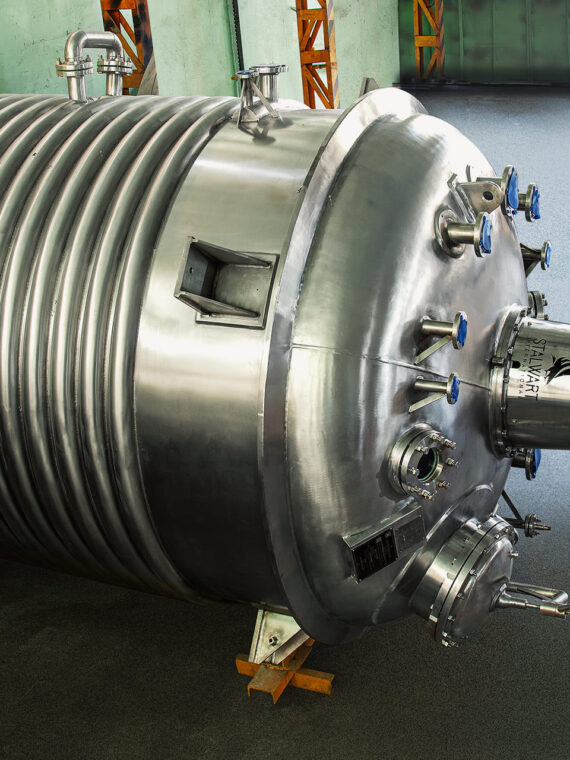
Yes. Both materials are used in pressure vessels, reactors, columns and heat exchangers. Their high strength and corrosion resistance make them suitable for demanding process applications. Material selection must consider operating pressure, temperature, corrosion conditions and applicable design codes.
Why is welding important in duplex stainless steel fabrication?
Welding is critical because excessive or insufficient heat input can affect the balance between ferrite and austenite in duplex stainless steel. Incorrect welding practices may reduce corrosion resistance and mechanical properties. Qualified welding procedures, suitable filler materials and proper inspection help maintain material performance.
How do you choose between duplex and super duplex stainless steel for process equipment?
The selection depends on chloride concentration, operating temperature, pressure, corrosion exposure, mechanical requirements and project budget. Duplex 2205 is often suitable for moderate corrosion environments, while super duplex 2507 is preferred for highly aggressive chloride environments. A qualified equipment manufacturer can help evaluate the process conditions before selecting the material.