
In every process industry, temperature control is not just important; it is critical. It may involve cooling chemicals, heating food products, condensing vapors, and recovering energy in a wide range of applications.
Presently, heat exchangers are one of the most commonly used and growing equipment types in the global process industry. As industries grow in energy production, chemical processing, pharmaceutical manufacturing, and food processing, so is the need for reliable thermal management solutions.
India has emerged as one of the most competitive and capable manufacturing hubs in the world for heat exchangers in a very short time.
Why Heat Exchangers Are a “Hot Product” in the Process Industry
Heat exchangers play a vital role in every industrial process. They can be used in heating and cooling processes. Heat exchangers help industries achieve efficiency and control the temperature.
Some of the industries where heat exchangers play a vital role include:
- Oil and gas
- Petrochemicals
- Chemical processing
- Food and beverage production
- Pharmaceutical production
- Power generation
- HVAC and refrigeration
- Water and wastewater treatment
In the current scenario, every industry is moving towards efficiency. Heat exchangers play a vital role in every industry.
Types of Heat Exchangers Commonly Used in Industry
Shell and Tube Heat Exchangers
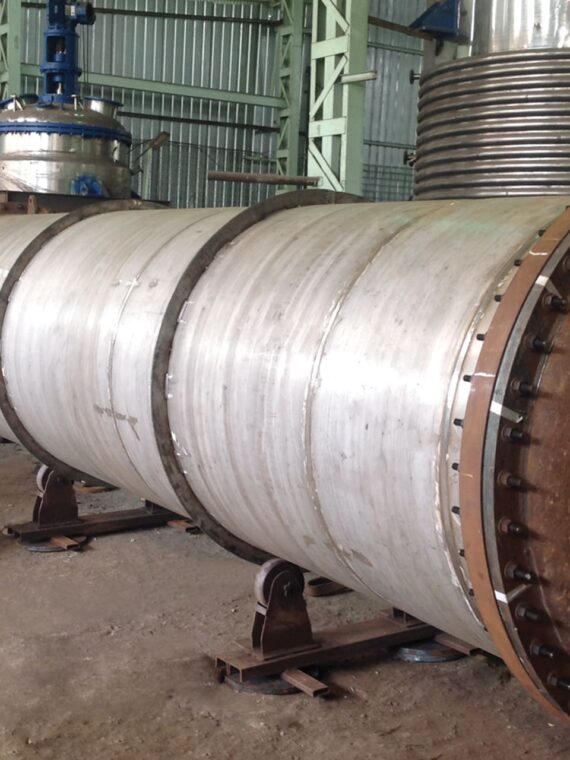
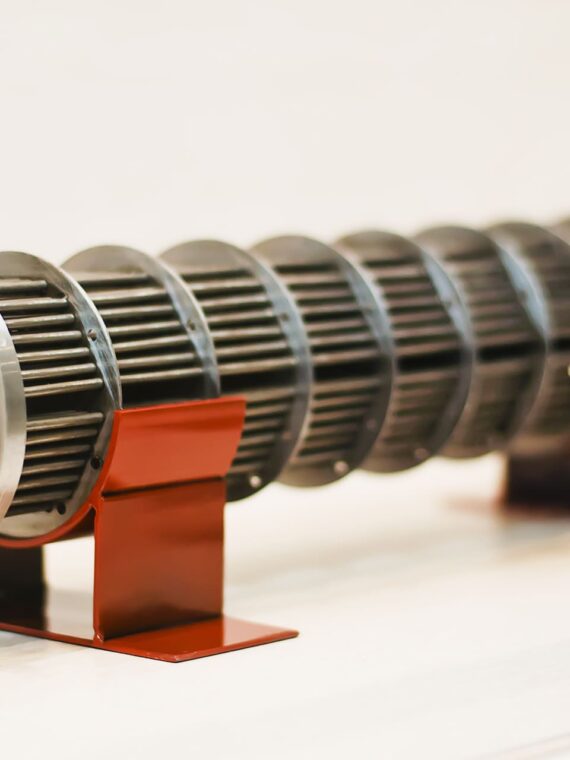
The shell and tube heat exchanger is one of the most commonly used heat exchangers in the heavy industries due to its durability and the fact that it can withstand high-pressure and high-temperature conditions.
Typical Applications:
- Oil refineries
- Chemical plants
- Power plants
- Marine and offshore platforms
These heat exchangers are known for their long service life.
Plate Heat Exchangers
Plate heat exchangers are compact and highly efficient devices and are therefore preferred for use in those cases where space and energy are of primary concern.
Common uses:
- Food and beverage processing
- Dairy processing
- Pharmaceutical processing
- HVAC systems
- District cooling systems
They are compact and offer high efficiencies.
Air-Cooled Heat Exchangers
Air-cooled heat exchangers also have a prominent application in areas where water is scarce, making them particularly significant in the Middle East.
Typical applications:
- Petrochemical plants
- Gas processing plants
- Power generation
- Desert and offshore platforms
These systems assist various industries in saving water and, at the same time, deliver efficient performance.
Market Demand for Heat Exchangers Is Growing Rapidly
The world process industry is growing with the rise of industrialization, infrastructure, and increased energy consumption. Therefore, the growth of the heat exchanger industry is steady.
The factors driving the growth of the heat exchanger industry are as follows:
- Expansion of chemical and petrochemical plants
- Increased food processing and pharmaceutical production
- Increased emphasis on energy efficiency
- Development of renewable energy systems
- Increased investment in infrastructure
In countries such as those in the Middle East, Southeast Asia, and Africa, large-scale infrastructure projects are driving the growth of the heat exchanger industry.
Why India Is Becoming a Preferred Manufacturing Hub for Heat Exchangers
In the last decade or so, India has emerged as a significant manufacturing hub for industrial process equipment. Among these, heat exchangers have become a key export product for India due to its engineering capabilities and cost advantages.
1. Strong Engineering Expertise
India possesses a high number of skilled engineers, designers, and technicians who have hands-on experience in working according to international standards, such as:
- ASME
- TEMA
- API
- ISO
This expertise helps Indian manufacturers in the design and production of heat exchangers for industrial use.
2. Competitive Manufacturing Costs
Manufacturing in India has many benefits, and one of the greatest advantages is cost efficiency. Compared to Western countries, India provides lower costs of manufacture, and these costs are met by Indian manufacturers.
The cost factors are:
- Lower Labor Costs
- Supply Chain Efficiency
- Availability of Raw Materials
- Manufacturing Infrastructure Efficiency
Indian manufacturers are an attractive option for global buyers who want to acquire quality equipment at reasonable costs.
3. Export-Ready Manufacturing Infrastructure
Indian manufacturers are more geared towards exporting the equipment compared to the Western world. Their plants are equipped with state-of-the-art machinery, automated welding equipment, and testing labs.
The export markets of Indian manufacturers are:
- Middle East
- Europe
- Southeast Asia
- Africa
- North America
That is a clear indication of the level of trust in Indian-made industrial equipment.
4. Compliance with International Standards
Quality and reliability hold a significant position in the process industry. Indian companies have invested a lot in obtaining such certificates and testing facilities to meet the global requirements.
Typical Certifications:
- ASME U Stamp
- ISO 9001
- ISO 14001
- PED Compliance
- CE Certification
These certificates are of prime importance to ensure that the equipment manufactured in India is usable in the global arena.
5. Strategic Location for Global Supply
The geographical position of India facilitates quick and efficient access to important world markets through well-connected ports.
The advantages include:
- Shorter distances to be covered to reach the Middle East and Africa
- Competitive freight rates
- Well-developed infrastructure to support exports
- Strong logistics support
That makes India an attractive and reliable base to cater to external customers.
You may also like: How Indian Heat Exchangers Support Energy Efficiency in Global Manufacturing Plants
Industries Driving Export Demand from India
Some industries are actively sourcing heat exchangers from Indian companies. They are of the view that the equipment is of good quality and is cost-effective for the buyers.
Some of the major industries where heat exchangers are being manufactured are:
- Oil and Gas Processing
- Chemical Processing
- Fertilizers
- Food and Beverage Processing
- Pharmaceutical Processing
- Renewable Energy Processing
- Desalination and Water Treatment
These industries are growing globally, and the demand for heat exchangers is also increasing in these industries.
You may also like: Exporting Chemical Reactors and Heat Exchangers from India: A Complete Guide to EU Compliance
Technology Trends in Heat Exchanger Manufacturing
The heat exchanger industry is a growing and changing industry. New technologies are being developed to make the process efficient and cost-effective for the buyers.
The various trends in the heat exchanger market include:
- Energy-Efficient Designs: The latest heat exchangers have been designed to ensure efficient utilization of energy.
- Compact and Modular Systems: The latest designs have ensured an efficient installation, maintenance, and expansion of the system.
- Advanced Materials: We use materials like stainless steel, duplex steel and titanium to make our equipment very durable and long-lasting. They can really last a time.
- Digital Monitoring and Predictive Maintenance: We use sensors and monitoring systems to find problems early. This helps reduce machine downtime.
Why Buyers Are Choosing India for Process Equipment
Companies, over the world are choosing Indian manufacturers for their industrial equipment needs. They do this because Indian manufacturers provide quality and reliable products.
Some of the major reasons why buyers are attracted to Indian manufacturers are:
- Manufacturing Capability
- Cost-Effective
- Engineering Support
- Customization
- Delivery Timings
- Adherence to Global Standards
Conclusion
One of the most demanded products in the process industries has been heat exchangers. Their contribution to the improvement of efficiency in the process industries has made them a vital necessity in these industries.
Indian manufacturers have not only become a major hub for supplying industrial equipment but have also become a major hub for supplying heat exchanger systems of superior quality and competitive costs.
As industries are growing globally, Indian manufacturers are not only cost-effective but also offer a strategic advantage.
FAQs
1. Why are heat exchangers important in process industries?
They improve energy efficiency, reduce operational costs, and ensure precise temperature control, making them essential for safe and optimized industrial operations.
2. Why is India becoming a global hub for heat exchanger manufacturing?
India offers cost-effective production, skilled engineering talent, advanced manufacturing capabilities, and strong export growth, making it highly competitive globally.
3. Which industries in India have the highest demand for heat exchangers?
Key demand comes from oil & gas, petrochemicals, pharmaceuticals, power plants, food processing, and renewable energy sectors.
4. What are the advantages of sourcing heat exchangers from India?
Lower costs, customization options, high-quality standards, faster production timelines, and strong supply chain capabilities.
5. How does India ensure quality in heat exchanger manufacturing?
Manufacturers follow international standards like ASME, TEMA, and ISO certifications, ensuring global-quality products.
6. What is the future of heat exchanger manufacturing in India?
The future looks strong due to rising industrial demand, government initiatives like “Make in India,” and increasing global outsourcing.