
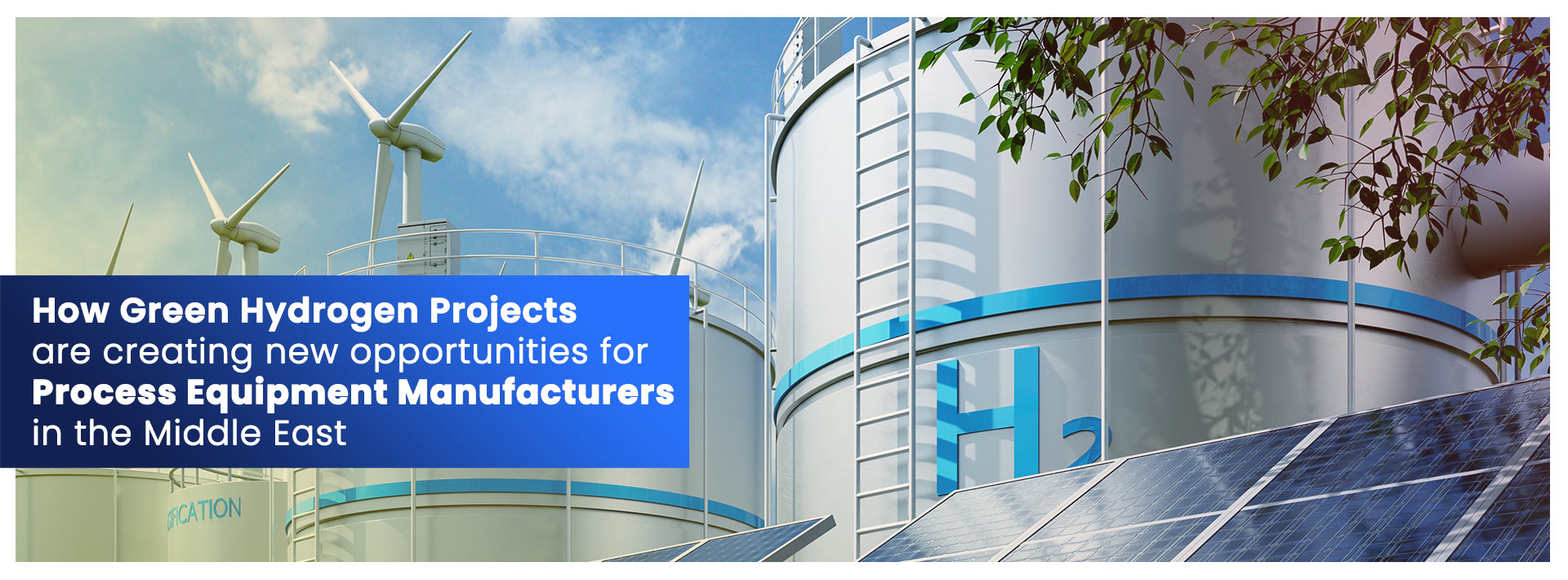
A shift is underway across the Middle East, reshaped by industrial change. Though known worldwide for oil and gas dominance, nations like Saudi Arabia, the UAE, and Egypt pursue different paths today. Their focus turns toward clean energy systems, driven by economic variety plus shared environmental targets. These efforts link local growth with broader international aims – quietly altering what the future holds.
Green hydrogen now stands out across rising industries as a particularly viable option. Backed by bold government plans alongside massive funding rounds, initiatives once theoretical are taking physical shape fast. With growth accelerating, unique machinery needs grow too – offering fresh pathways for makers of industrial systems around the globe.
What is Green Hydrogen?
Water breaks apart into hydrogen and oxygen when an electric current passes through it, a process powered entirely by clean energy like sunlight or wind. This method skips fossil fuels, cutting greenhouse gases from the start. Instead of releasing carbon, it leaves behind only pure hydrogen ready for use.
With industries shifting toward lower-emission energy sources, green hydrogen gains attention – especially in transport, electricity production, chemical processing, fertilizer output, and intensive industrial operations. Though not universally adopted yet, its role grows where deep emission cuts are hardest to achieve through electrification alone.
Starting from sunlight, the region draws strength through wide-open spaces and solid industrial roots. Because of these traits, power made from water and sun finds fertile ground here. With room to grow and energy to spare, what emerges is a quiet shift toward clean fuel exports. Not by chance but by geography, deserts turn into hubs. Driven less by ambition and more by advantage, output rises. What results stand apart – not loud, yet steady
Why the Middle East is Investing in Green Hydrogen
Across the region, national governments began rolling out large-scale hydrogen projects within broader strategies to shift away from traditional revenue sources. While some nations prioritized infrastructure investment, others focused on research partnerships to support future energy models.
Beginning far inland, Saudi Arabia advances one of Earth’s most expansive hydrogen ventures through NEOM, targeting green ammonia output destined overseas. Not long after sunrise on policy timelines, the UAE rolled out several programs tied to cleaner power goals – hydrogen included. From North Africa’s coastline, Egypt rises quietly into view as a key player, positioned by geography to funnel future fuel toward Europe and beyond.
Backed by funding from state budgets, power firms, and global financiers, these initiatives are gaining momentum. Yet hidden within each facility is an intricate web of machinery enabling the entire process.
Growing Demand for Process Equipment
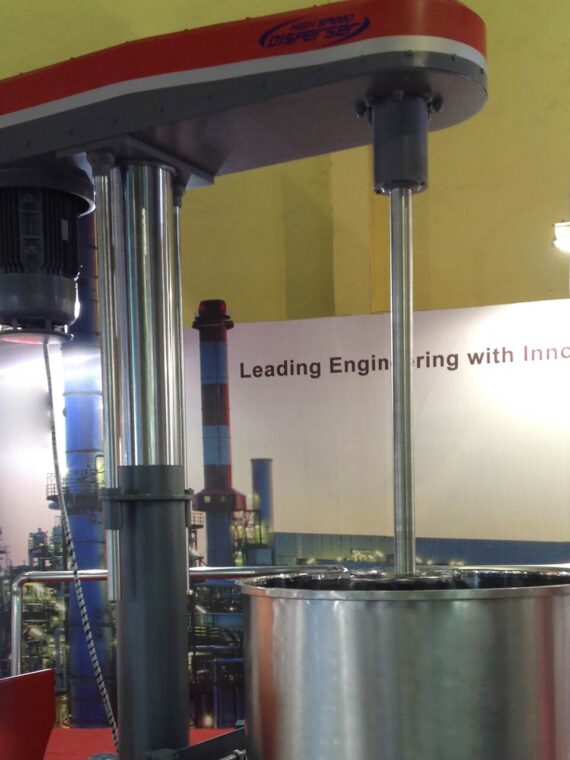
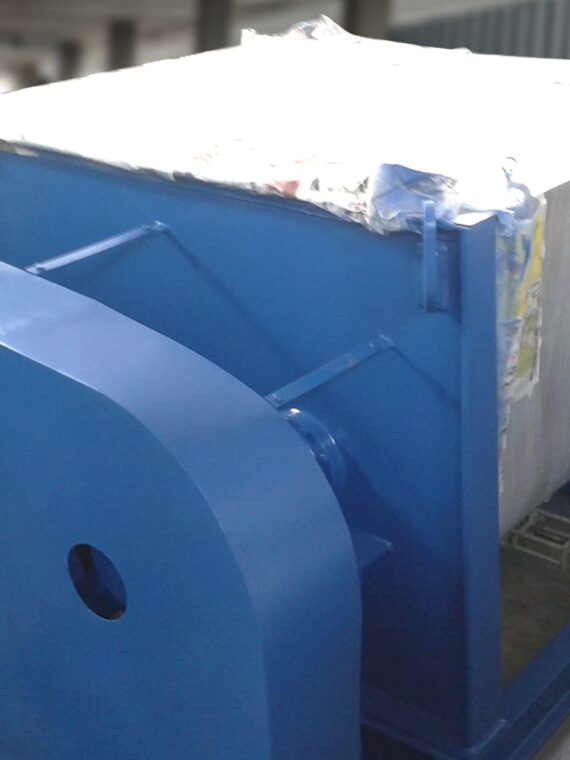
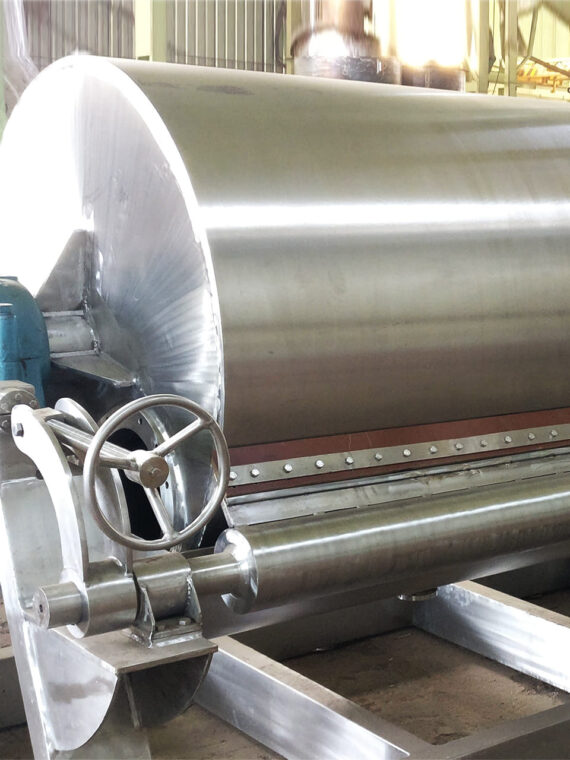
Green hydrogen production facilities rely heavily on specialized process equipment to handle high-pressure operations, temperature control, storage requirements, and chemical processing.
As new projects move into construction and operational phases, demand is increasing across multiple equipment categories.
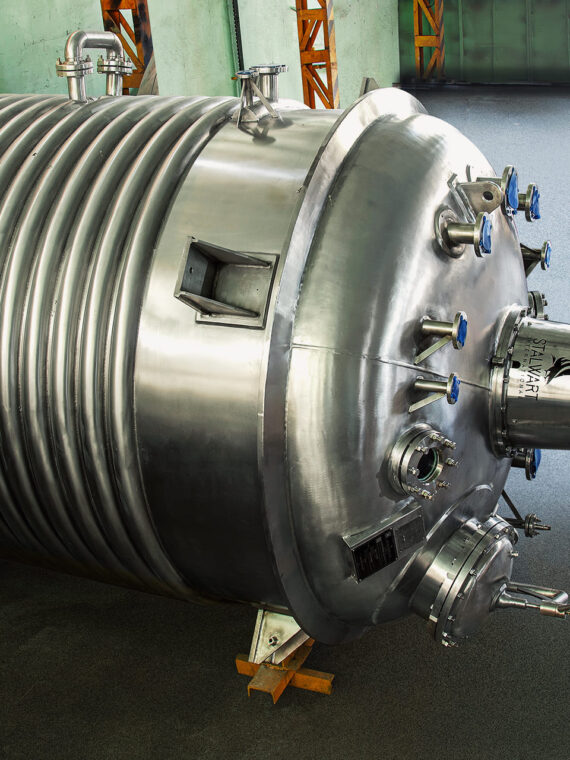
Pressure Vessels
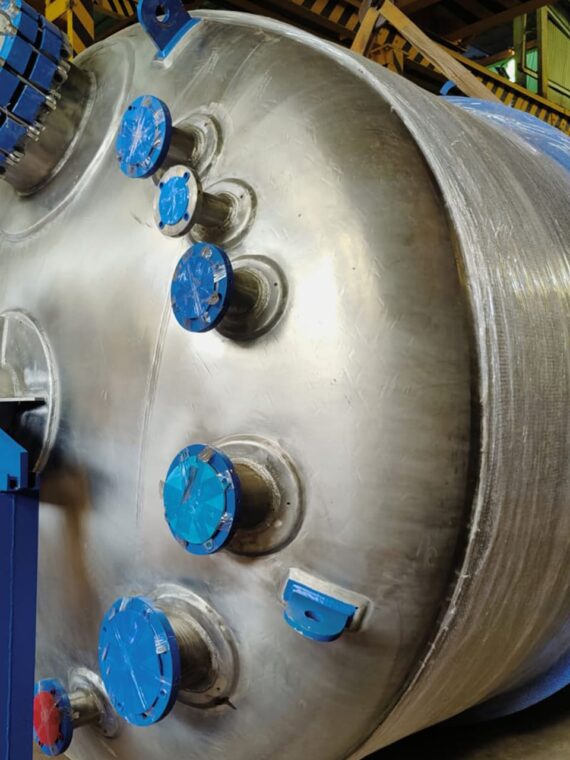
Among essential parts in hydrogen handling, pressure vessels stand out due to their role. Their function becomes vital when storing or generating the gas at high intensity.
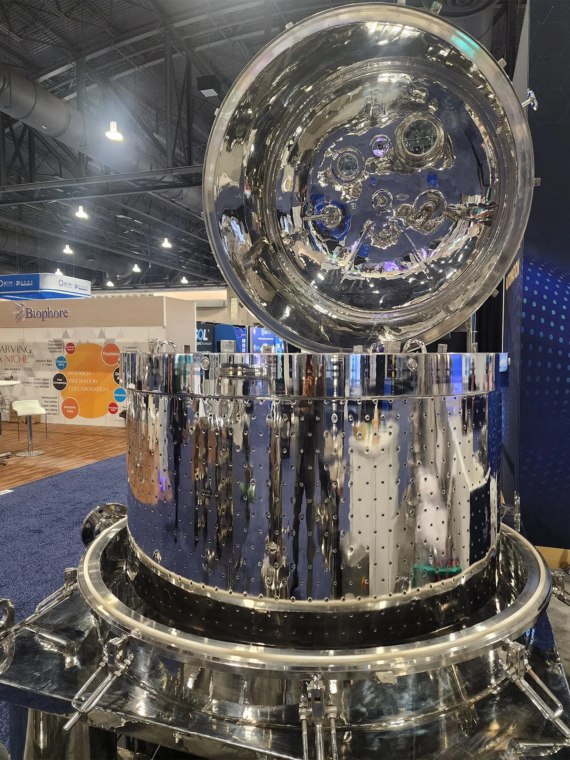
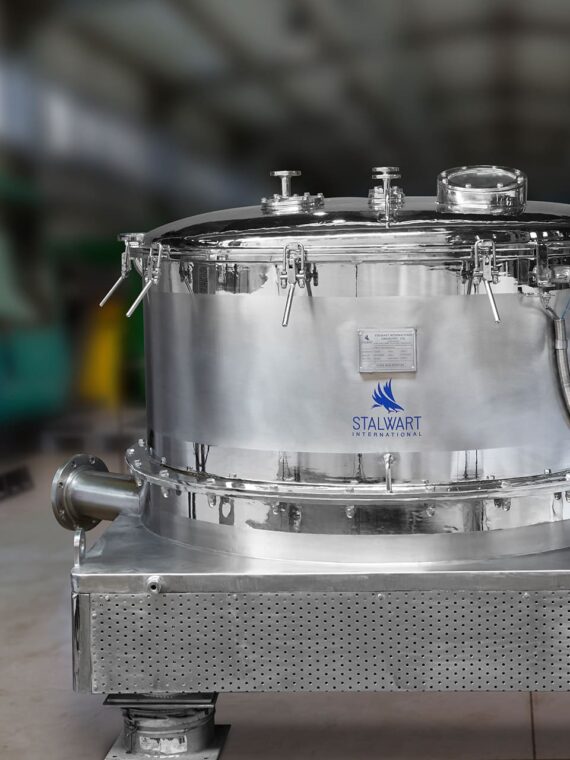
Under high pressure, hydrogen usually needs storage and transport solutions built for tough working environments. Vessels that meet strict safety standards become essential in such cases. Companies making these containers to ASME specifications stand to gain as hydrogen networks expand. Reliability matters just as much as performance in these applications.
Storage Tanks
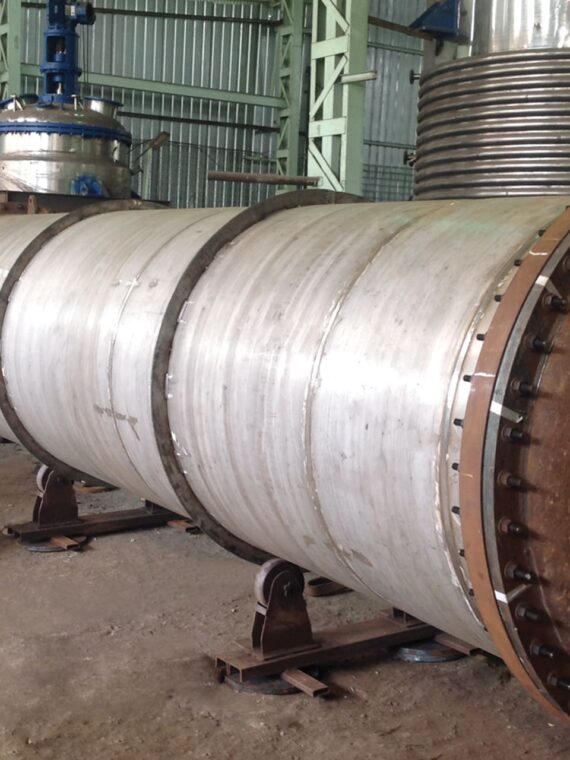
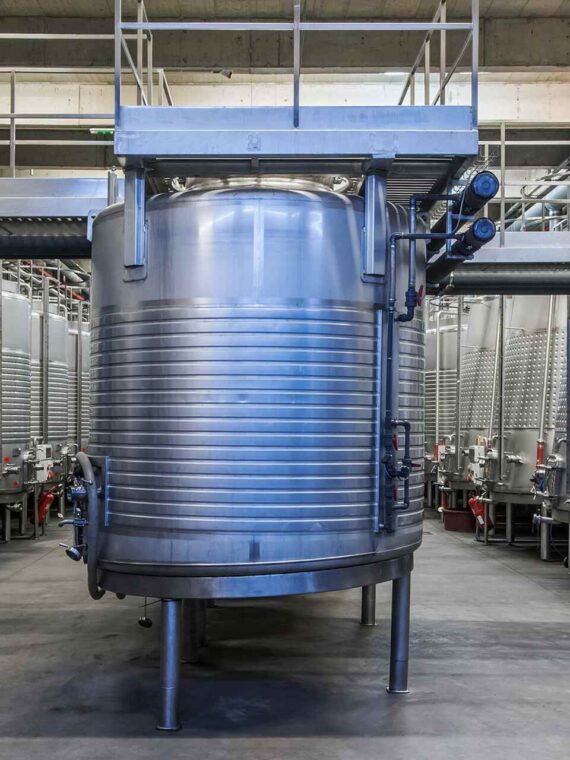
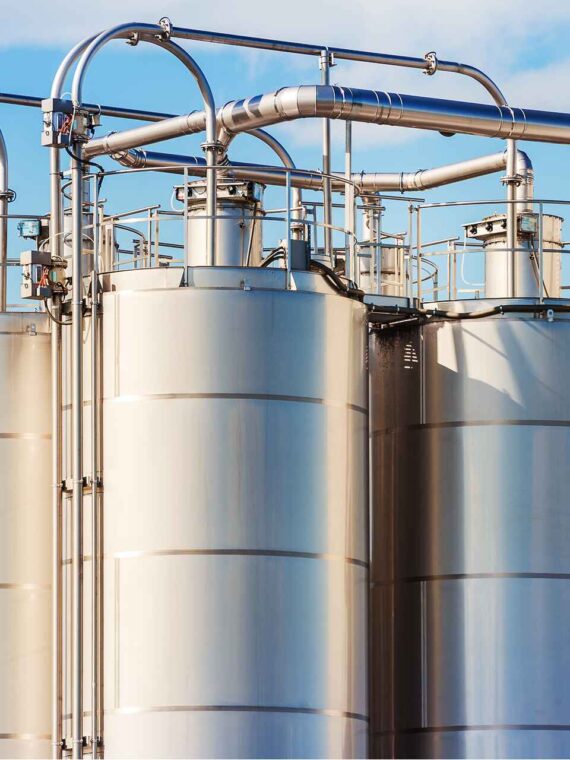
Storage needs grow alongside big hydrogen and ammonia ventures, holding inputs, by-products, while managing end outputs too. Though often overlooked, space for materials shapes project design early on. Because handling gases demands robust containment, facilities must plan well ahead. Where production scales up, so does the footprint needed below ground and above. While liquids simplify transport, they complicate long-term storage logistics. Without enough room, delays ripple through supply chains unpredictably.
Among industrial components, storage tanks stand out by supporting steady operations while managing hydrogen-derived materials safely. Rising need appears likely for setups made of carbon steel, alongside stainless variants, plus those built for extreme cold and niche uses – all shaped for hydrogen tasks.
Heat Exchangers
Fine control of heat matters at every stage when making hydrogen.
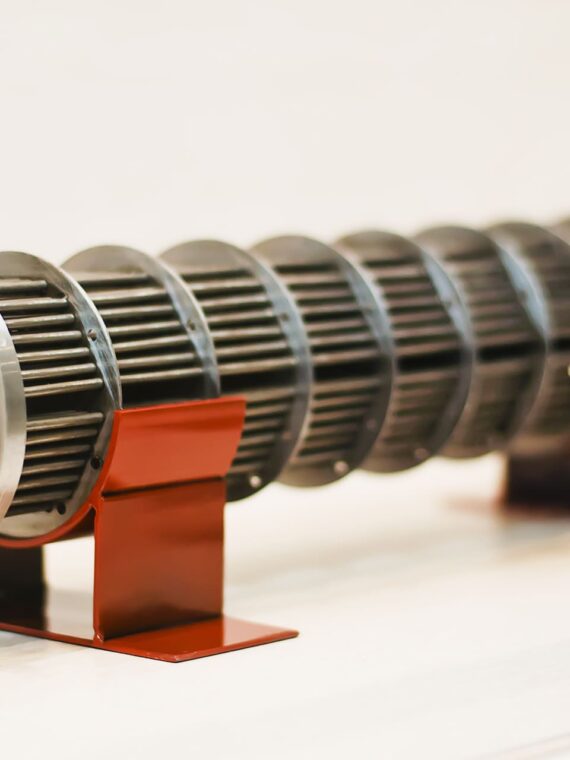
Because temperature management matters in industrial operations, heat exchangers play a key role in maintaining efficient conditions. When production grows in green hydrogen sites, equipment like advanced shell-and-tube designs starts to matter more. Their ability to handle intense thermal demands supports smoother, more reliable operation across expanding facilities.
Process Reactors
Some green hydrogen initiatives involve making ammonia later on. Others lead into producing methanol further down the line. A few move toward different hydrogen-based outputs after initial generation.
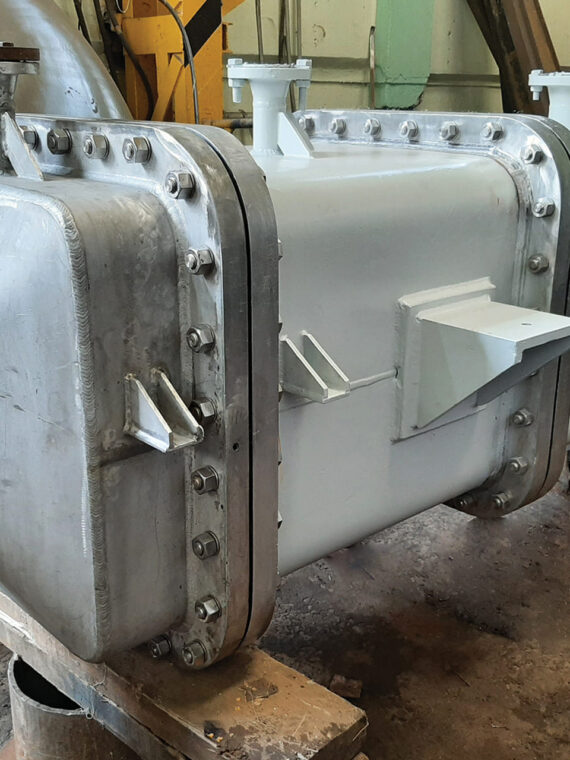
Under high precision conditions, certain reactions need specialized vessels that manage heat and pressure carefully. Because interest in eco-friendly ammonia shipping is rising, steady reactor setups are increasingly sought after locally.
Piping and Process Systems
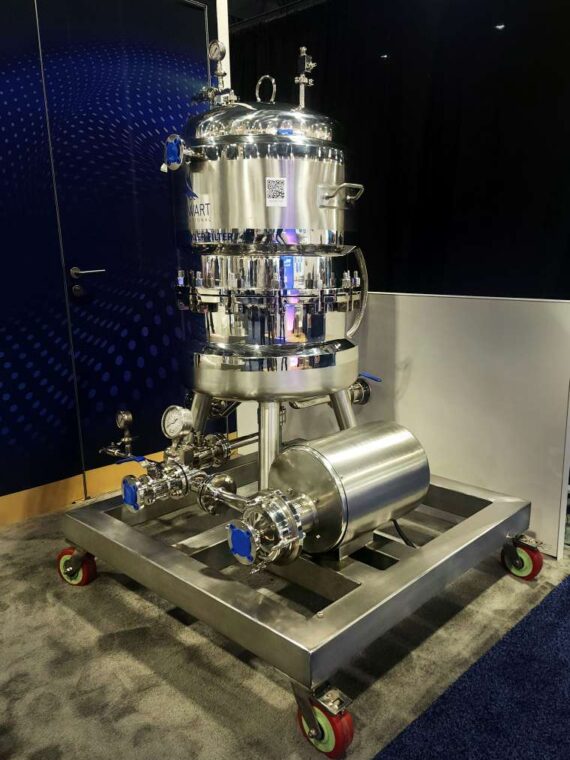
Piping spreads through hydrogen plants, linking components on movable platforms where equipment mounts. Connections weave these parts together so operations align across the system.
Smaller than most traditional gases, hydrogen molecules demand careful engineering – materials used in gear need special selection just so leaks stay avoided while operations remain safe. Though tiny, these particles bring big challenges; designers respond by focusing on durability paired with tight seals across systems.
Top 10 Equipments Exported from India to UAE, Saudi Arabia & Oman
Opportunities for Indian Process Equipment Manufacturers
Fueled by growing demand, India’s makers of industrial gear now find themselves central to Middle Eastern hydrogen ventures. While Gulf nations push forward with energy upgrades, firms across India supply critical components. Not limited to fabrication alone, these companies adapt quickly to project needs. Because timelines matter, responsiveness becomes a quiet advantage. With each collaboration, trust builds – not through promises, but delivery.
Backed by skilled engineers, India builds reliable industrial machinery meeting global codes like ASME, API, and ISO. Because production expenses stay low, companies worldwide often turn here when outfitting large-scale projects. With a track record in overseas deliveries, its factories support complex ventures through dependable supply chains. Though not always visible, this foundation strengthens partnerships across energy and infrastructure sectors.
From India, makers send pressure vessels to nations like Saudi Arabia, the UAE, Oman, and Qatar – also delivering heat exchangers. Storage tanks reach Gulf markets through steady export flows. Reactors move alongside these goods under industrial demand. Process systems follow similar routes, linking factories on one coast to operations in desert economies. Trade ties grow without fanfare, yet remain strong across borders.
As investments in hydrogen are projected to rise through the 2030s, prospects for exporting related machinery may grow considerably. While funding flows into the sector, suppliers could see increased demand abroad. Because development is accelerating, market access might improve across regions adopting cleaner energy systems. Though still emerging, infrastructure projects may create openings for technology providers. Since governments back these initiatives, commercial channels stand to benefit indirectly.
Key Challenges and Engineering Requirements
Though green hydrogen offers clear benefits, fresh technical hurdles emerge alongside its development.
Because hydrogen behaves differently, it demands specific materials alongside precise fabrication methods. Specialized knowledge becomes necessary when working with such a reactive element. Manufacturers need proven experience in handling strict safety standards together with detailed inspection routines. Mastery of high-integrity joining techniques is essential under these conditions. Demonstrated capability in consistent product validation matters just as much
- High-pressure system design
- Corrosion-resistant materials
- Hydrogen-compatible fabrication techniques
- International certification requirements
- Advanced quality assurance procedures
Firms building such skills stand a stronger chance of joining major hydrogen initiatives. While some may lag behind, others move ahead by focusing on practical upgrades. Those adapting early often find access to bigger opportunities more easily. A shift toward advanced preparation opens doors once out of reach. Readiness, in this case, makes all the difference.
The Future of Process Equipment Demand
Expectations are rising about a swift expansion of the worldwide hydrogen sector in the years ahead. The Middle East could emerge as a central player in making it happen.
With hydrogen and ammonia facilities shifting from blueprints into construction, the need grows for specialized gear. Equipment like pressure containers and storage units stays central to these projects. Reactors, along with heat transfer devices, play key roles during setup. Integrated setups become increasingly necessary as work advances. Demand climbs steadily alongside project momentum.
Not just another market opening, green hydrogen offers lasting expansion potential for makers of industrial gear. Shaped by worldwide shifts in how energy is produced, this shift goes beyond short-term trends. Equipment builders find themselves positioned within a changing landscape, one where demand evolves alongside policy and technology. Longevity matters here, given the scale of transition underway across nations. Growth ties directly to infrastructure changes that favor cleaner alternatives. As systems adapt, so do needs for specialized machinery. This path forward depends on sustained investment and regulatory support. Momentum builds slowly, yet steadily, through coordinated efforts. Manufacturers engage not out of trendiness but structural change. The horizon stretches further than immediate returns suggest.
Conclusion
Across the Middle East, green hydrogen begins to redefine how industries operate. In Saudi Arabia, huge funding pours into projects tied to modern machinery for power and chemicals. The UAE follows closely, backing developments where technology meets large-scale production needs. Meanwhile, Egypt advances similar efforts, linking clean fuel goals with infrastructure upgrades. Each nation leans on innovation, yet progress depends heavily on reliable systems behind the scenes.
With growth in such initiatives, need rises sharply for items like pressure vessels, storage tanks, reactors, and heat exchangers – key components in industrial workflows. Equipment central to processing operations sees mounting requirement as project scales increase across sectors.
Manufacturers skilled in engineering might find their expertise especially valuable. Those holding international certifications could see growing demand across new markets. Firms with a track record of successful projects may stand out amid rising competition. The expansion of green hydrogen in the Middle East opens doors few anticipated just years ago. Participation now could place certain companies at the center of a major global shift – without fanfare, without promises, simply through capability meeting moment.
FAQs
What is green hydrogen?
Green hydrogen is produced by splitting water into hydrogen and oxygen using electricity generated from renewable energy sources such as solar or wind power. This process creates zero carbon emissions, making it a clean energy alternative.
Why is the Middle East investing heavily in green hydrogen?
Middle Eastern countries are investing in green hydrogen to diversify their economies, reduce dependence on oil and gas revenues, support sustainability goals, and become major exporters of clean energy.
Which Middle Eastern countries are leading green hydrogen projects?
Saudi Arabia, the UAE, and Egypt are among the leading countries developing large-scale green hydrogen projects and infrastructure to support future clean energy exports.
What process equipment is required for green hydrogen production?
Green hydrogen facilities require specialized equipment such as pressure vessels, storage tanks, heat exchangers, process reactors, piping systems, and integrated process plants.
Why are pressure vessels important in hydrogen plants?
Pressure vessels are essential for safely storing and transporting hydrogen under high-pressure conditions while meeting strict international safety standards.
How do heat exchangers support hydrogen production?
Heat exchangers help regulate temperatures during hydrogen production and processing, improving operational efficiency and ensuring safe plant performance.
What opportunities does the green hydrogen industry create for Indian manufacturers?
Indian manufacturers can supply pressure vessels, storage tanks, reactors, heat exchangers, and other industrial equipment to growing hydrogen projects across Saudi Arabia, the UAE, Oman, Qatar, and other Middle Eastern markets.
What engineering challenges are involved in green hydrogen projects?
Key challenges include high-pressure system design, hydrogen-compatible materials, corrosion resistance, advanced fabrication techniques, international certifications, and stringent quality assurance requirements.
Why is demand for storage tanks increasing in green hydrogen facilities?
Storage tanks are required to safely store hydrogen, ammonia, feedstocks, and by-products, making them a critical component of large-scale hydrogen production infrastructure.
How will green hydrogen impact the future of process equipment manufacturing?
As hydrogen projects expand globally, demand for specialized process equipment is expected to grow significantly, creating long-term opportunities for manufacturers serving the clean energy sector.