
To begin with, Germany is currently among the most developed manufacturing nations in the world, where the requirements for efficient thermal management technologies keep growing. The heat exchanger industry in Germany is experiencing constant development due to a focus on energy efficiency, sustainable production, and digitalization.
The use of heat exchangers has lost its character of basic technological equipment in Germany. Heat transfer technology is now used as a tool to enhance the effectiveness of production processes, decrease energy consumption, and ensure compliance with various regulations. At the same time, trends in heat transfer technologies affect the purchasing process in several industries.
Market Size and Future Prospects
The market for heat exchangers in Germany continues to witness consistent growth, owing to modernization and investment in infrastructures. The market size was valued at around USD 1.83 billion in 2025 and forecasted to be almost USD 2.96 billion by 2033 at a growth rate of about 6.4% annually.
German heat exchangers account for about 25% of Europe’s total heat exchanger market, thus underscoring Germany’s importance as an industrial base. Projected figures suggest that the market might reach around USD 3.65 billion by 2035, on the strength of rising demand in chemicals, power plants, and food processing industries.
Such growth can be attributed to the adoption of advanced technology and energy-efficient solutions within industries.
Key Growth Driver
There are certain structural issues behind the rise of demand for heat exchangers in Germany. The rising cost of energy makes producers look at options that allow heat recovery and use to increase efficiency and decrease costs. Environmental laws also force industries to cut down emissions and opt for more eco-friendly solutions.
The highly developed industrial sector in Germany, including chemical, automotive, and pharmaceutical industries, still needs advanced heat exchange technology. Simultaneously, technological advancement is reshaping the industry. Advanced heat exchangers now come equipped with sensors and other monitoring technologies, thus making it possible to monitor their performance in real time.
Leading Market Segment
The German heat exchanger market has been segmented into a few essential products based on their applications in various industries.
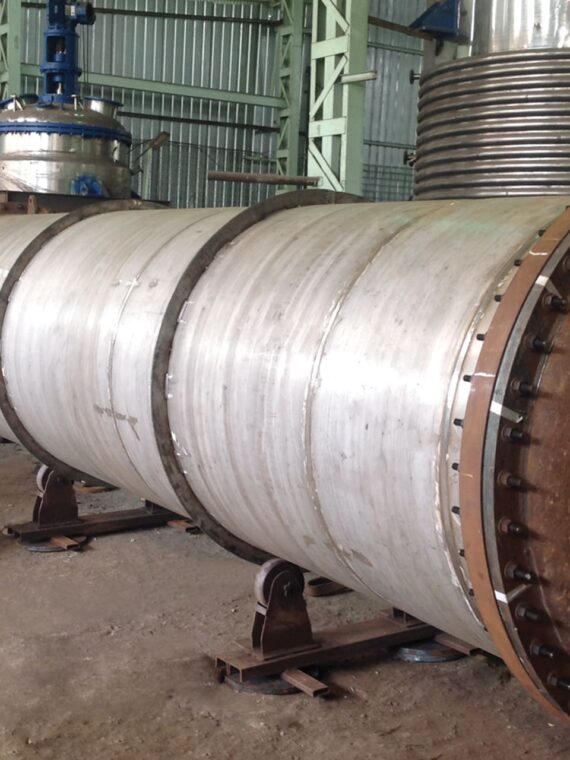
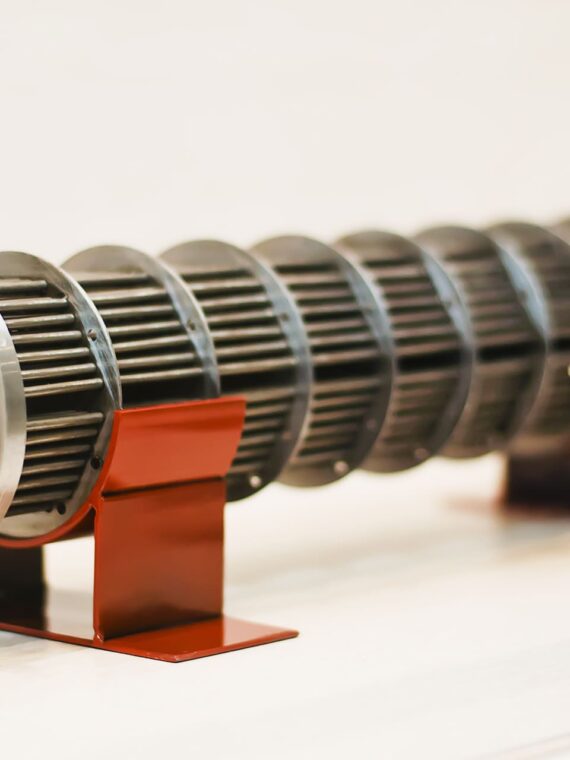
The shell and tube heat exchanger has continued to dominate the market because it can withstand both high-pressure and temperature applications. The product has been extensively used in various industries such as petrochemicals, power plants, and chemical industries. The robustness and longevity of the shell and tube heat exchanger makes it a preferred option.
The plate and frame heat exchanger has been identified as one of the most promising heat exchangers in Germany. Its compact size coupled with high thermal efficiency makes it an ideal heat exchanger for use in modern manufacturing plants. The product is mainly used in HVAC, food production, and pharmaceutical industries. It features a flexible design that allows expansion.
The air-cooled heat exchanger is becoming popular due to the minimal requirement of water in its operation. The product uses ambient air to cool equipment, thus making it sustainable. Air-cooled heat exchangers have found wide applications in power plants and outdoor applications in the industrial setting.
Sustainability and Efficiency Trends
Sustainability is an essential criterion influencing the development of the German market for heat exchangers. Manufacturers must decrease energy usage and achieve environmental targets. Consequently, efficient devices with energy recovery features have become common.
One of the key tendencies is waste heat recovery. These devices recover excess heat produced by the industrial processes and utilize it for heating and electricity production purposes. Besides saving money on energy expenses, these machines help achieve carbon emission reduction objectives.
Innovations in material technologies are also boosting performance. Alloys and coatings improve heat exchange efficiency, increase corrosion resistance, and prolong equipment durability. These changes are especially valuable for plants that produce aggressive substances or operate at extremely high temperatures.
Digitalization also plays a significant role. Heat exchangers with sensors allow for monitoring their performance and enhancing energy efficiency.
Advanced Chemical Reactor Design: Powering Germany’s Modern Chemical Industry
Emerging Technology and Buyer Preferences
However, buyer expectations in Germany are changing from focusing merely on low prices to buying products based on long-lasting value propositions. Reliability, energy efficiency, and customer service are now some of the factors considered by industrial buyers when choosing the appropriate heat exchanger.
One of the trends is the increasing popularity of Internet of Things systems. Such systems allow for constant monitoring of the temperature, pressure, and flow rates. The possibility of making predictions regarding failures is essential for avoiding equipment malfunctioning and reducing downtime.
Modularity and compactness of a system are among the other popular trends in industrial design. Since many companies have limited factory spaces, modularity helps in installing equipment more easily while also providing flexibility and opportunities for updates.
Finally, sustainability remains one of the most significant purchasing motivators, as companies are actively choosing equipment that positively impacts the environment.
Industrial Heat Exchangers in Germany: Complete Buyer’s Guide in 2026
Conclusion
The German heat exchanger market is about to experience robust growth due to the factors of energy efficiency, sustainability, and digitalization. Given the forecasted value of almost USD 3 billion in 2033, there are many opportunities for producers, vendors, and industry consumers.
Knowing the main market segments, the latest innovations, and efficiency tendencies is crucial in making an informed decision. Firms that purchase innovative heat transfer devices will have more benefits in terms of productivity, reduced operating expenses, and adherence to environmental regulations.
It is a strategic move rather than technical selection when choosing the right heat exchanger in Germany’s competitive industrial environment.
FAQs
1. What is driving the growth of the heat exchanger market in Germany?
The growth of the heat exchanger market Germany is mainly driven by increasing demand for energy-efficient industrial systems, stricter environmental regulations, and rising adoption of sustainable manufacturing technologies.
2. Which industries use heat exchangers the most in Germany?
Industries such as chemical processing, automotive manufacturing, pharmaceuticals, food processing, and power generation are among the largest users of heat exchangers in Germany.
3. What are the most common types of heat exchangers used in Germany?
The most commonly used heat exchangers include shell and tube heat exchangers, plate and frame heat exchangers, and air-cooled heat exchangers due to their efficiency and reliability in industrial applications.
4. Why are energy-efficient heat exchangers becoming popular?
Energy-efficient heat exchangers help companies reduce operating costs, improve thermal performance, recover waste heat, and comply with Germany’s environmental and carbon emission regulations.
5. How is digitalization impacting the German heat exchanger industry?
Modern heat exchangers are increasingly equipped with smart sensors and IoT-based monitoring systems that allow real-time performance tracking, predictive maintenance, and improved operational efficiency.
6. What is the future outlook for the German heat exchanger market?
The market is expected to witness strong growth through 2033 and beyond, supported by industrial modernization, sustainable energy initiatives, and increasing German heat exchanger demand across multiple sectors.
7. Why are air-cooled heat exchangers gaining demand in Germany?
Air-cooled heat exchangers are becoming more popular because they require minimal water usage, making them a more sustainable and environmentally friendly solution for industrial cooling applications.
8. What factors do buyers consider when purchasing heat exchangers in Germany?
Industrial buyers typically focus on reliability, thermal efficiency, sustainability, compact design, maintenance requirements, and long-term operational value when selecting heat transfer equipment.