
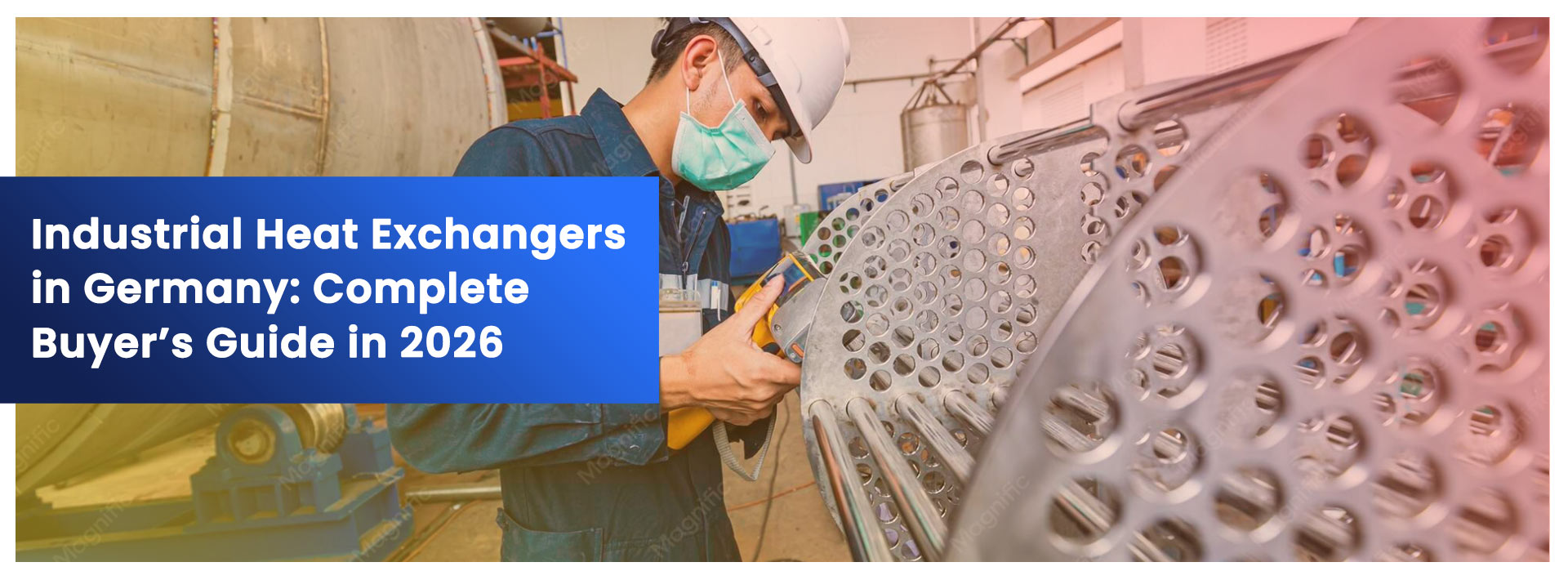
Being one of the most industrially developed countries in Europe, Germany is famous for its high engineering quality, strict laws, and energy-efficiency policies. Within the framework of this market, heat exchangers are of critical importance for industries like chemical, pharmaceutical, food-processing, power generation, and HVAC. Taking into consideration the growth in energy prices and the need for sustainable solutions, many German manufacturers pay much attention to their heat exchangers.
It is clear that companies which are going to buy or supply heat exchangers in Germany in 2026 will need comprehensive information about the market, necessary technologies, and suppliers’ expectations. This manual offers an effective introduction to all these aspects.
Overview of the German Heat Exchanger Market and Growth Outlook
The German heat exchanger market continues to expand due to modernization in industries, green energy programs, and efficiency regulations. Germany continues to be one of the major manufacturing centers in Europe, where there is always a need for quality systems that optimize operations in relation to energy management.
As per industry estimations, the market value had touched about USD 1.8 billion in 2025 and is predicted to near about USD 3 billion by 2033 with an annual growth rate of around 6-7%. The growing trend towards adopting automation, digitization, and energy recovery processes has helped sustain the growth in the sector.
The sustainability policies and efforts towards lowering carbon footprint have also compelled companies to invest in new systems, including heat exchangers, which optimize energy efficiency without altering processes.
You May Also Like : Heat Exchangers: Why India Is a Global Hub
Common Types of Industrial Heat Exchangers Used in Germany
There are several different kinds of heat exchangers that are commonly found in the industries of Germany, which depend upon their working condition and purpose. Knowing about these kinds will help the customer decide on purchasing an appropriate type of heat exchanger.
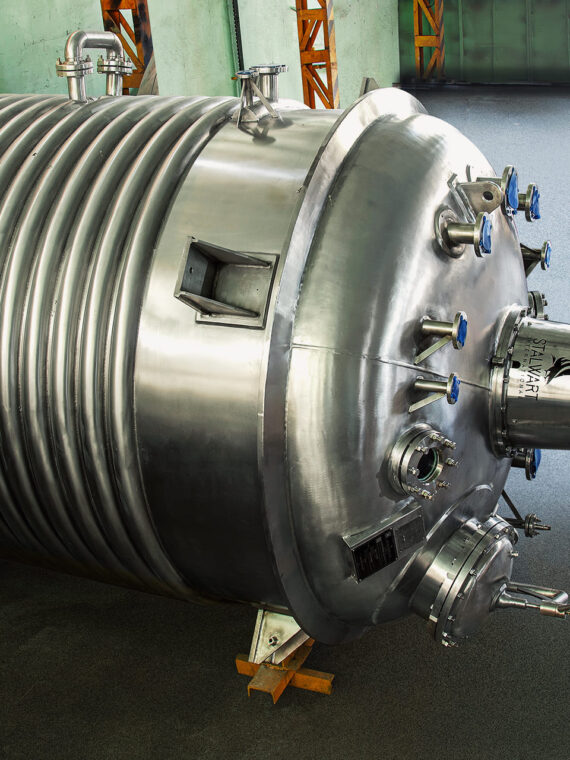
The Shell and tube Heat Exchanger is the most commonly seen design, which is known for its durability and high-pressure and high-temperature operation. They can be mostly seen in use in chemical plants, power plants, and oil refineries.
The Plate Heat Exchanger can be used in cases where it becomes necessary to save money and energy in the process. Its high-efficiency nature makes it apt for use in HVAC, food production, and water treatment processes.
The U-Tube Heat Exchanger can be used for high-temperature applications since this particular design is flexible with tube expansion and contraction.
The Floating Head Heat Exchanger can be useful where there is frequent need for cleaning.
Recent times have also witnessed the rise of compact and corrugated heat exchangers, which are mostly being used in pharmaceuticals, renewable energy, and advanced manufacturing processes.
Key Specifications German Buyers Should Evaluate Before Purchase
Performance, durability, and legal compliance are key elements considered by individuals when looking to purchase heat exchangers in Germany. The first crucial element in deciding the efficiency of the product purchased is the amount of heat that can be transferred using the machine. Under-sizing results in inefficiency in the process while over-sizing increases the cost of operations.
The operational pressures and temperatures should correspond with the application. This is very crucial in high-pressure applications, such as chemical or steam, whereby more durable materials have to be applied.
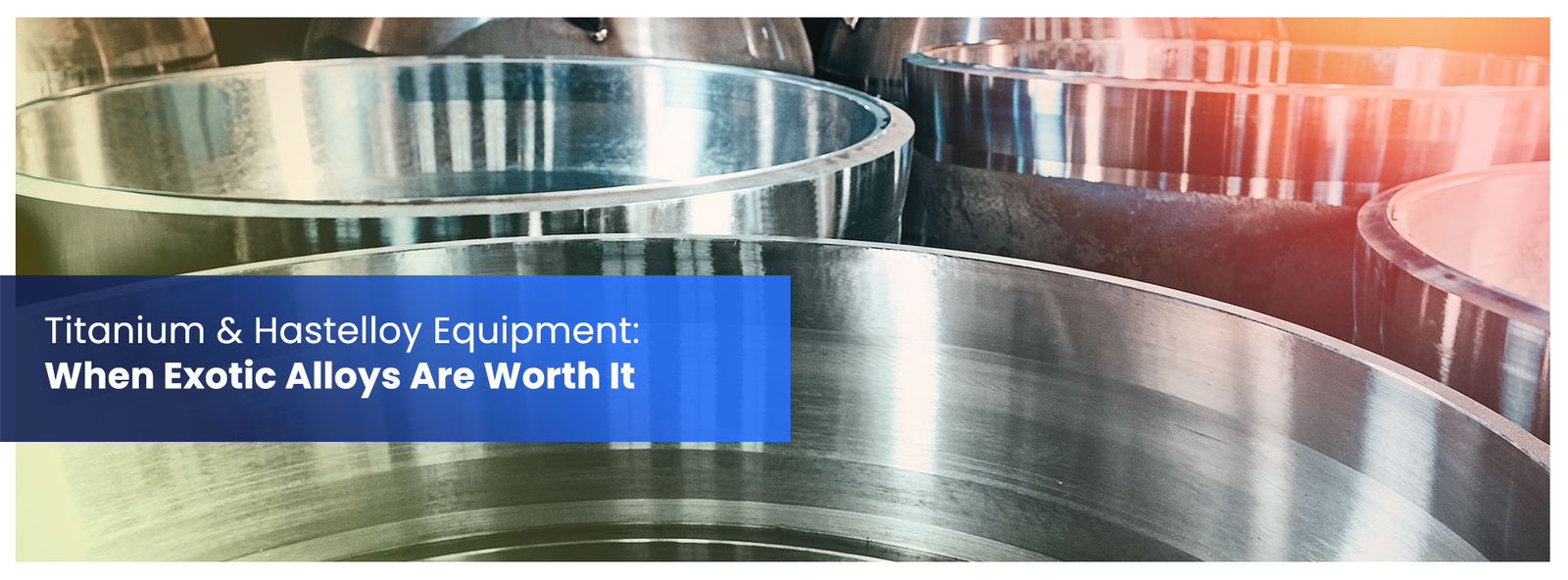
Lastly, the material used should be considered. The stainless steel material is durable, but carbon steel will be used in areas where durability is not needed as much. Titanium and nickel alloys are used for highly corrosive processes.
German Import Considerations and Regulatory Standards
There are several regulations concerning equipment in Germany, and all firms involved in the importation of heat transfer equipment should observe them to enable successful market entry. Among the most important regulations is the Pressure Equipment Directive (PED), which ensures safety standards are met in pressure equipment and heat exchangers within Europe.
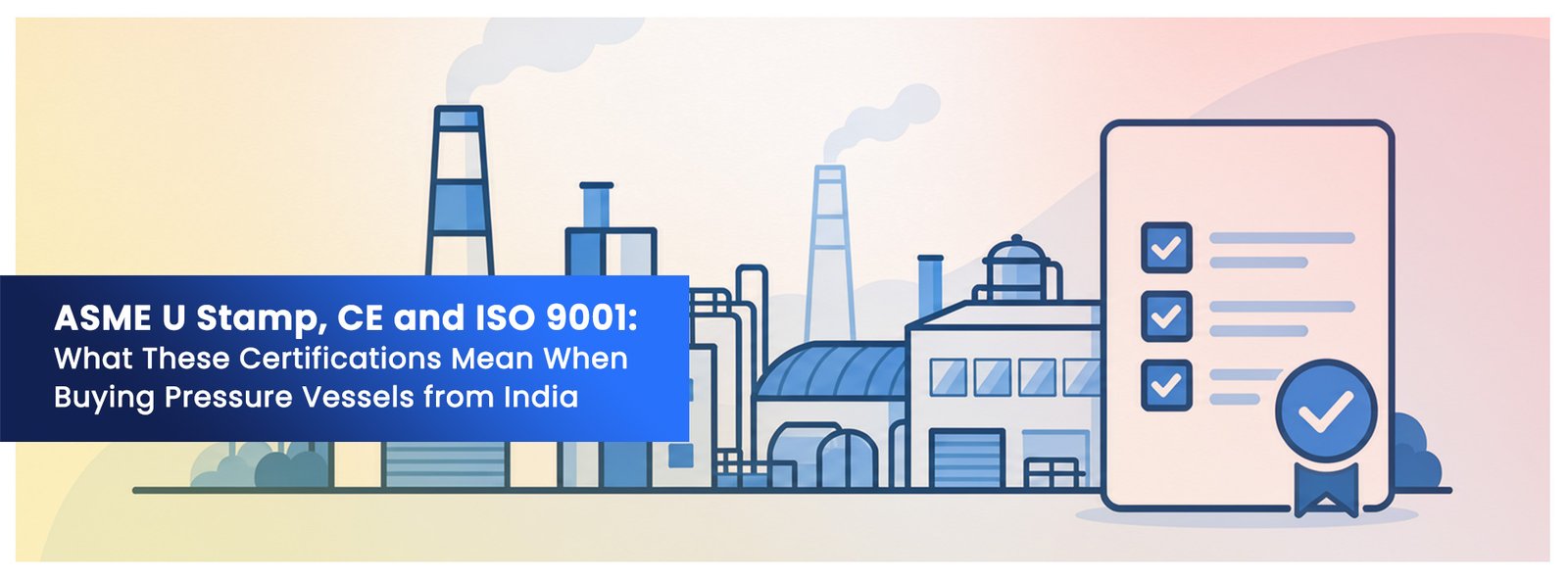
CE marking is compulsory, proving that the equipment meets all European standards. Any equipment lacking this mark will be disqualified from entering the market in Germany.
Lastly, there are DIN standards that govern materials used and methods of inspection in accordance with German engineering practices.
Future Outlook for Industrial Heat Exchangers in Germany
For industrial heat exchangers in Germany, the future is still bright, considering that various industries are now embracing energy-saving technologies and efficient production processes. With increasing investments in the renewable energy sector, the need for heat exchangers will continue to rise.
Also, digital monitoring and predictive maintenance have revolutionized the field by allowing for performance tracking and energy savings, thus cutting down on costs.
Conclusion
German industrial heat exchangers continue to develop at a constant pace owing to high industrial demand, efforts to improve energy efficiency, and stringent laws. Industrial heat exchangers are indispensable in guaranteeing effective temperature management, improved production efficiency, and energy savings.
On the other hand, for purchasers, success hinges on knowledge of market dynamics, choosing the appropriate machinery, and engaging dependable vendors.
FAQs
1. What are industrial heat exchangers and why are they important in Germany?
Industrial heat exchangers are systems that transfer heat between fluids without mixing them. In Germany, they are essential for improving energy efficiency, reducing operational costs, and meeting strict environmental regulations across industries like chemical, HVAC, and power generation.
2. Which type of heat exchanger is best for industrial use in Germany?
The best type depends on the application. Shell and tube heat exchangers are ideal for high-pressure environments, while plate heat exchangers are preferred for energy efficiency and compact design. U-tube and floating head types are suitable for high-temperature and easy maintenance needs.
3. What factors should buyers consider before purchasing a heat exchanger in Germany?
Buyers should evaluate heat transfer efficiency, operating pressure and temperature, material compatibility, maintenance requirements, and compliance with German and EU regulations like CE marking and PED standards.
4. What regulations apply to industrial heat exchangers in Germany?
Heat exchangers must comply with the Pressure Equipment Directive (PED), CE marking requirements, and DIN standards. These regulations ensure safety, quality, and compatibility with European industrial practices.
5. How much does an industrial heat exchanger cost in Germany?
Costs vary based on type, size, material, and customization. Small plate heat exchangers may cost a few thousand euros, while large industrial shell and tube systems can cost significantly more depending on specifications.
6. Why is energy efficiency important when selecting a heat exchanger?
Energy-efficient heat exchangers reduce energy consumption, lower operational costs, and help companies meet Germany’s strict sustainability and carbon reduction goals.
7. Which industries use heat exchangers most in Germany?
Key industries include chemical processing, pharmaceuticals, food and beverage, power generation, HVAC, and renewable energy sectors.
8. What materials are commonly used in industrial heat exchangers?
Common materials include stainless steel for durability, carbon steel for cost-effectiveness, and titanium or nickel alloys for highly corrosive environments.
9. What is the future of the heat exchanger market in Germany?
The market is expected to grow steadily due to increasing demand for energy-efficient solutions, renewable energy integration, and adoption of digital monitoring and predictive maintenance technologies.
10. How can buyers choose the right heat exchanger supplier in Germany?
Choose suppliers with proven industry experience, compliance certifications (CE, PED), strong after-sales support, and the ability to provide customized solutions based on specific industrial requirements.