
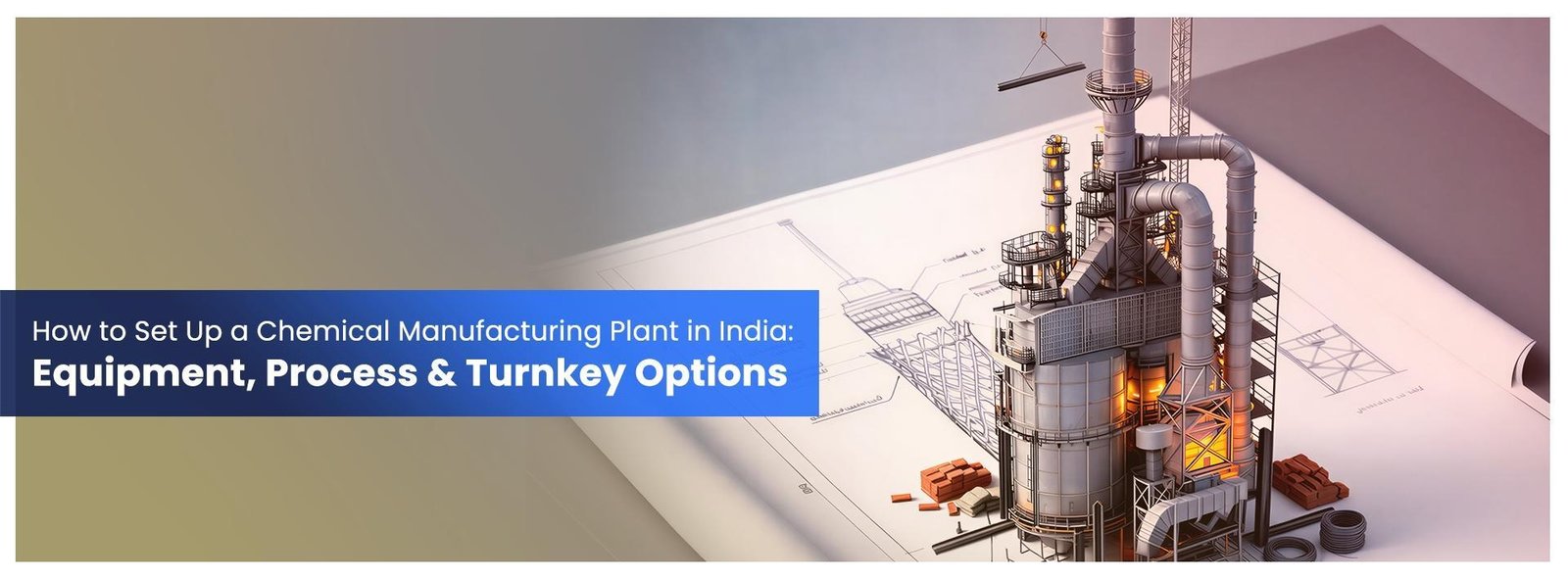
The Indian chemical industry has tremendous opportunities for new manufacturers in the specialty chemicals and textile auxiliaries, coatings, adhesives and construction chemicals segments. However, a chemical plant is a business that cannot be set up with a licence and a supplier list. It is an engineered system where process, equipment, utilities and safety have to be working in harmony. This guide covers the essential steps for establishing a chemical manufacturing plant in India, along with the pros and cons of purchasing individual equipment versus a turnkey solution.
1. Define Your Product and Process First
All decisions are based on what you intend to do. Begin with your product line, market (customer), annual capacity, and batch or continuous process. Many units of specialty supplies operate on a batch basis since they can be used for various products.
Test the process chemistry in the laboratory and pilot plant before investing funds. Document raw material specifications, reaction conditions, temperatures, pressures and expected yields. This is where proven process know-how helps to avoid costly corrections later.
2. Choose the Right Site and Plan Utilities
Look for an industrial zone with reliable access to water, power, that permits chemical manufacturing, roads and effluent handling. Take into account the distance from raw materials suppliers and customers, and availability of skilled labor.
Arrange utilities at an early stage: electrical load and fire-fighting systems, steam or thermal oil for heating, cooling or chilled water, and compressed air. Plan for growth, since adding capacity later is much less expensive.
3. Select the Core Process Equipment
The equipment is the soul of the plant and it all depends on the process. Typical equipment includes:
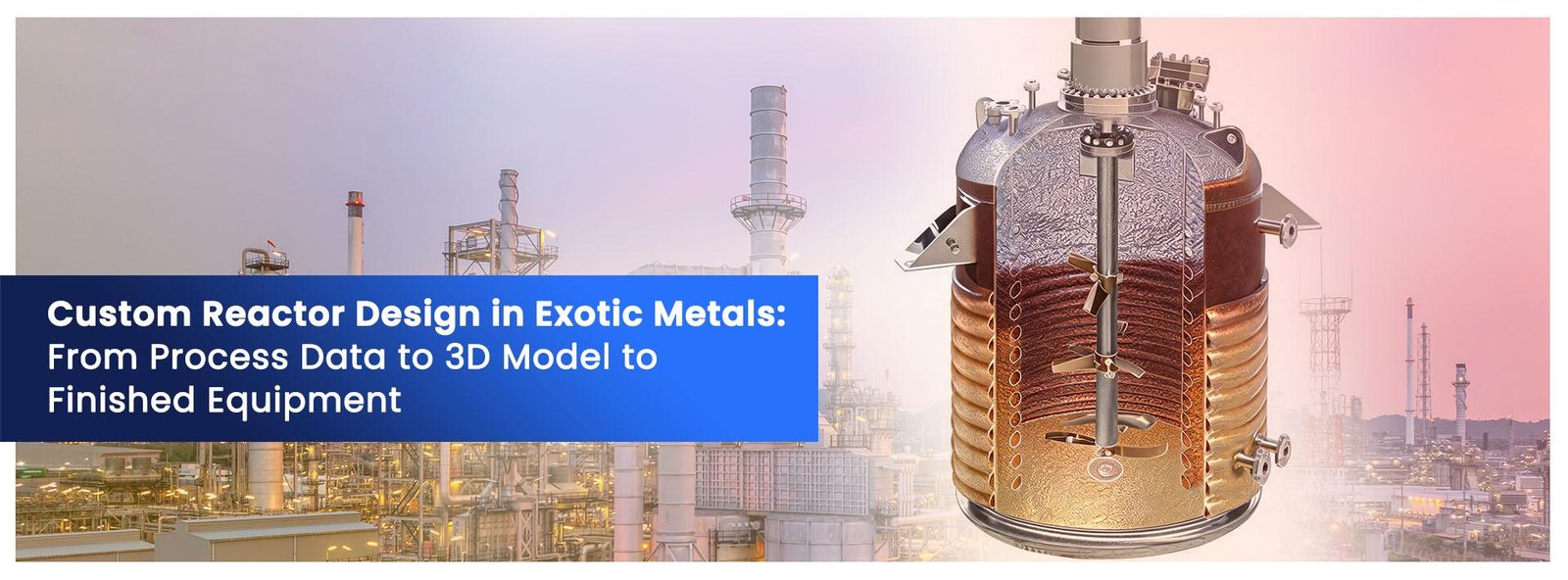
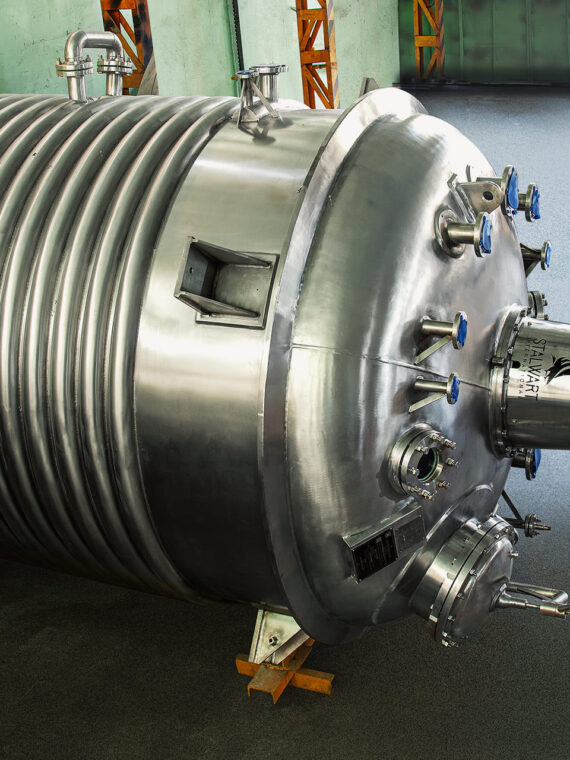
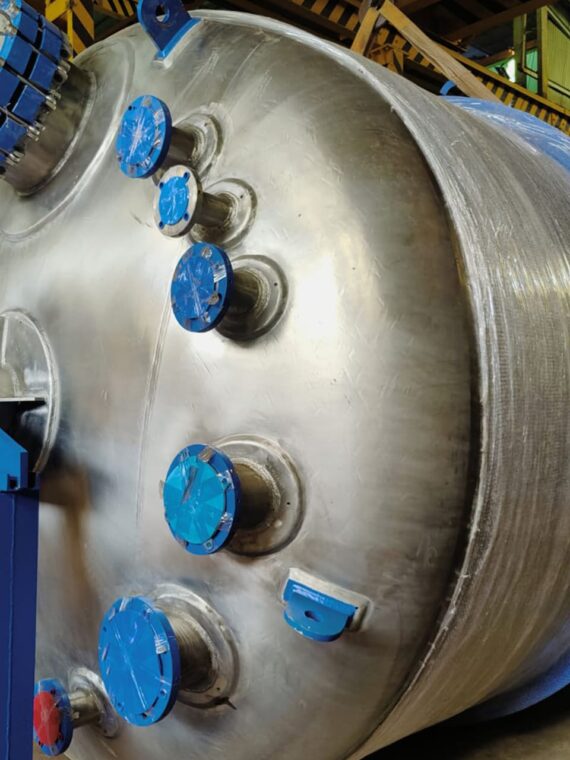
Reactors: Where the chemical reaction takes place. Construction material, agitator design, jacket or coil configuration and pressure rating are all important.
- Distillation columns: Used to separate and purify solvents and products.
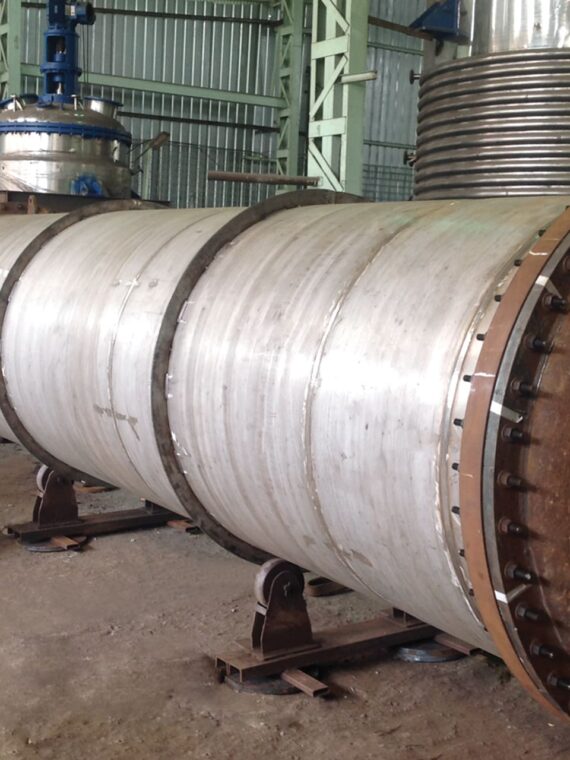
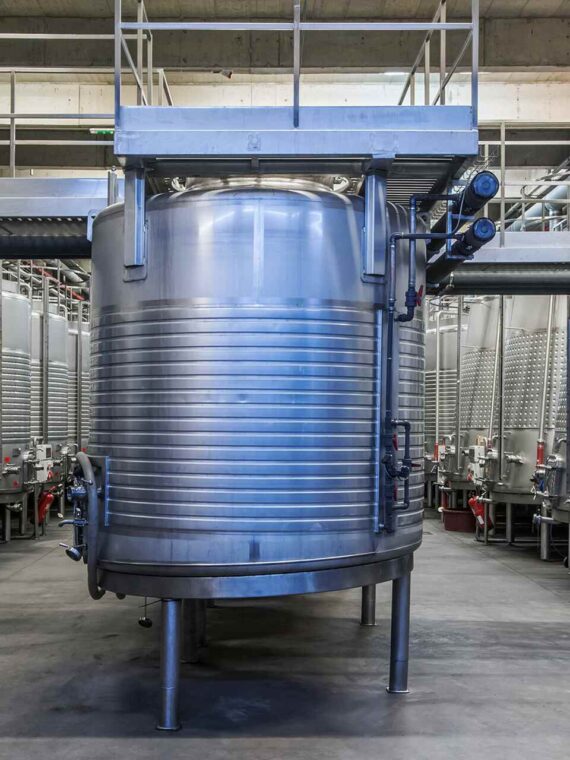
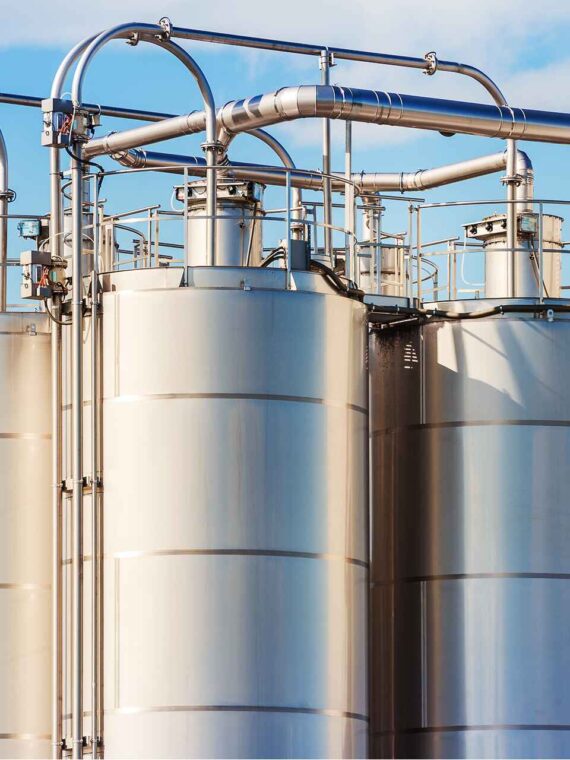
- Chemical Storage tanks: For raw materials, intermediates and finished goods, designed for the substance stored.
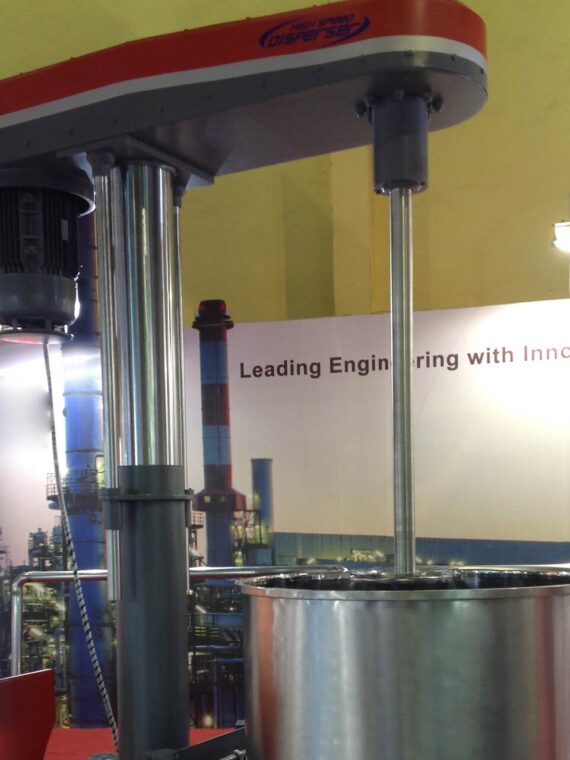
- High-speed dispersers: Needed to disperse high viscosity products and commonly used in textile chemicals.
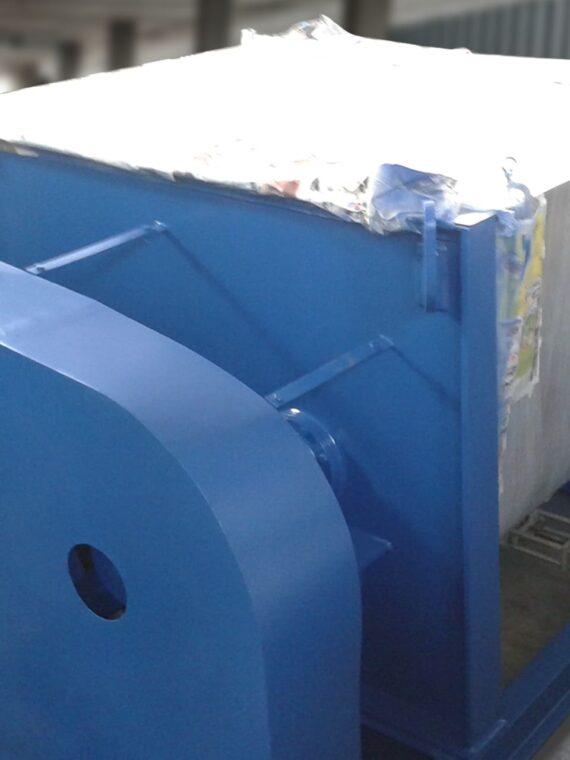
- Blenders: For uniform mixing across chemical, food, pharmaceutical, plastic and mineral industries.
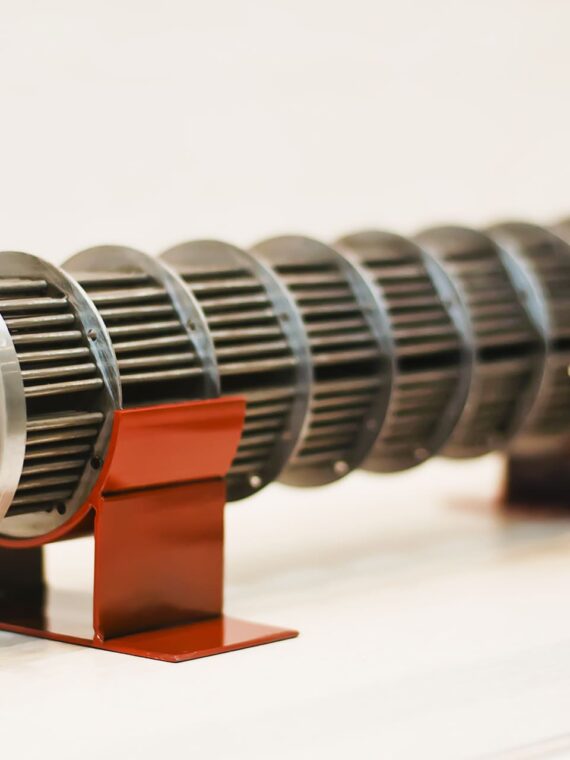
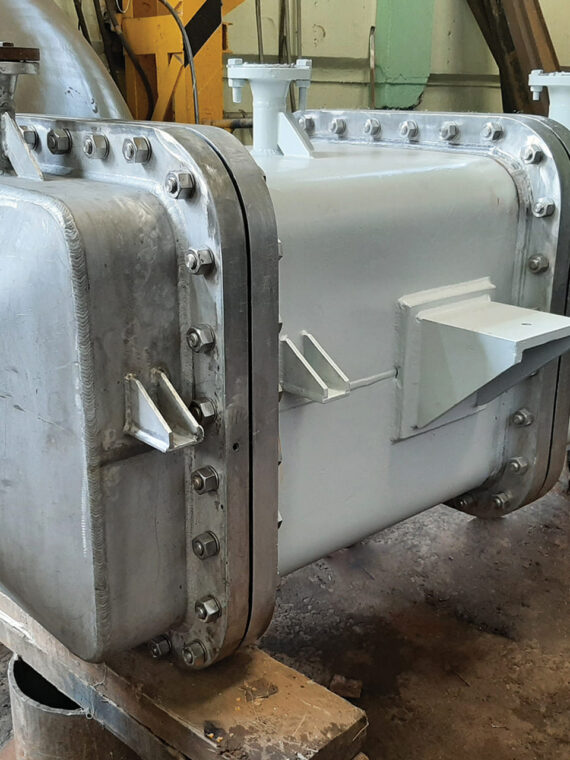
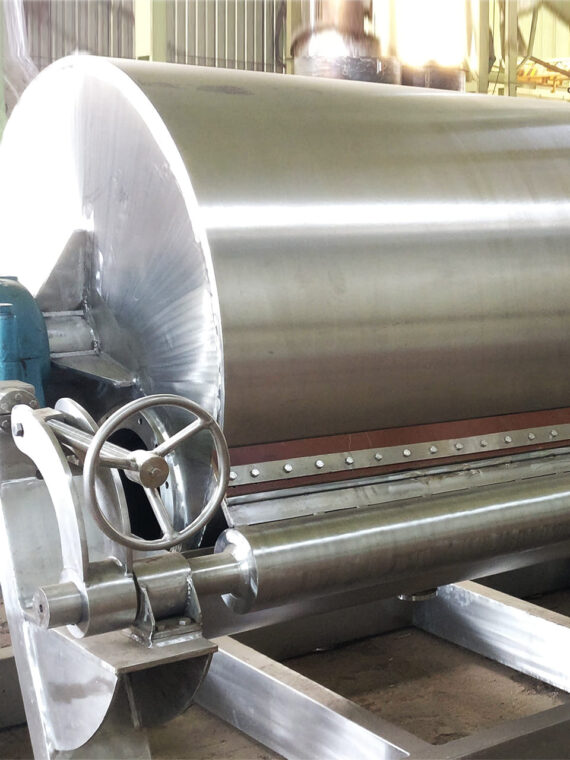
- Heat exchangers: Shell and tube units control temperature in condensing, reaction, and cooling duties.
It is important to match each machine to your current process conditions and not just by price.
4. Insist on Recognised Design Standards
All pressure equipment should be designed and fabricated according to known codes. The reactors are designed to conform with ASME Sec. VIII Div. I and AD Merkblätter standards are in accordance with internationally accepted design rules, aiding safety, durability and meeting the auditor’s/customer’s acceptance. Request design calculations, material test certificates and inspection records from suppliers.
Documentation of quality is as important as the steel itself.
5. Plan Licences, Safety and Environmental Compliance
Chemical production is one of the more regulated industries. Depending on product, location, and state, factory licensing, pollution control board consent, hazardous waste authorisation, fire safety clearance and in some cases more approvals are required.
Requirements are different and can change; check current requirements with relevant authorities or a qualified compliance consultant before works commence. Design for effluent treatment, ventilation, storage of spills and safe storage, not retrofitting.
6. Equipment-Only or Turnkey: Choose Your Approach
There are two general options.
In the first, you buy equipment from different suppliers and coordinate design, installation and start-up yourself. This will give you control, but you also take responsibility for the integration risk: mismatching capacities, interface delays, unclear responsibility in case of failure.
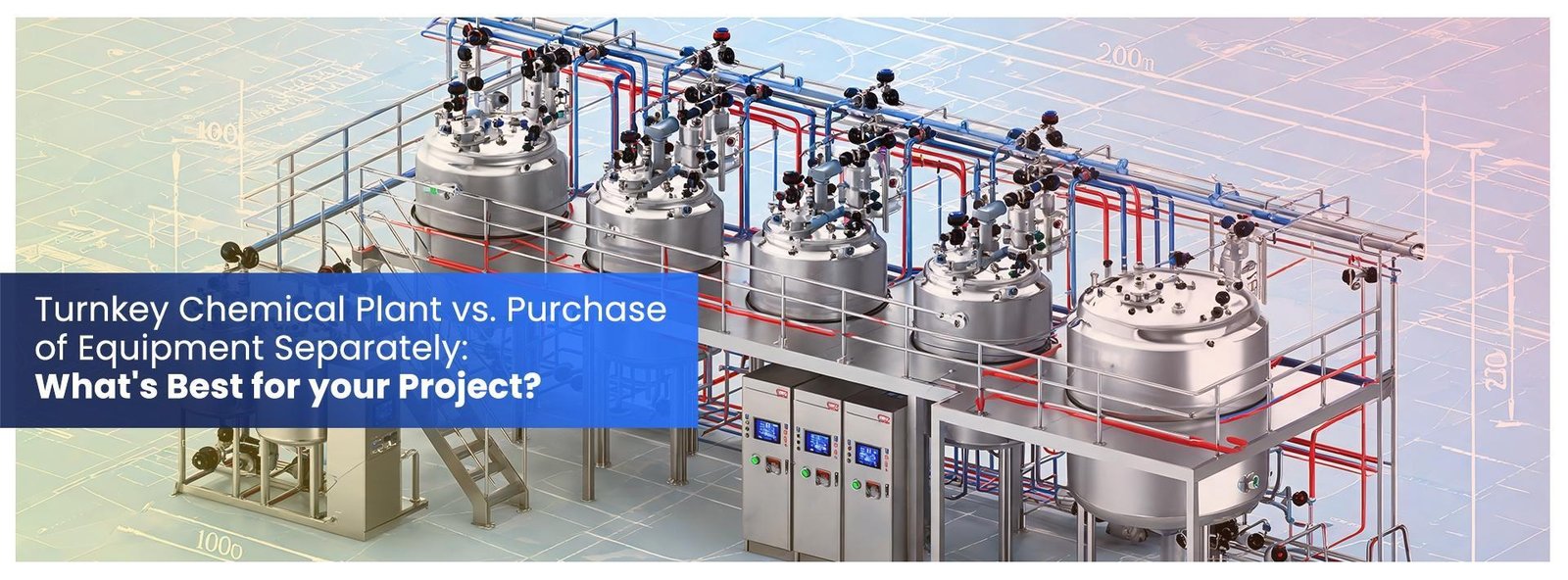
In the second, a turnkey partner is responsible for process know-how, equipment and installation and commissioning. This one single point of responsibility can eliminate delays and surprises for first-time plant owners or those who don’t have enough in-house project engineers.
7. How Stalwart International Can Help
Stalwart International has 42 years of manufacturing experience with equipment, design reactors, heat exchangers, distillation columns, high speed dispersers and blenders and storage tanks. Stalwart provides turnkey chemical plant projects, backed by decades of hands-on work experience in the industry by a turnkey consultant.
Our service doesn’t stop at installation, we can perform performance checks, maintenance, operator training and upgrades as your business evolves. You work with a team that knows the equipment because they make it, whether it’s one machine or a complete plant.
Common Mistakes to Avoid
These are common issues faced by the first-time plant owners. Avoid these:
- Undersizing utilities: Boilers, chillers and power supply, that can’t support future expansion, require costly rework.
- Avoiding the pilot stage: Going directly from the lab to production can reveal heat transfer and mixing issues.
- Selection based on price only: The lowest cost vessel is not necessarily the lowest cost over 10 years taking into account maintenance costs, downtime and rejected batches.
- Leaving safety and effluent for later: Retrofitting these systems costs far more than designing them in.
Final Thoughts
A well-planned chemical plant begins with a clear process, the proper site, right engineered equipment and compliance built in from the start. Selecting a partner who has knowledge of equipment and total projects can mean less rework, less money, and less time.
Planning a new plant? Please give a call to Stalwart International on +91 70301 13388 or visit www.stalwartint.com to discuss your project.
FAQS
How do you set up a chemical manufacturing plant in India?
Setting up a chemical manufacturing plant in India involves selecting the right chemical products, developing and testing the manufacturing process, choosing an industrial site, arranging utilities, purchasing process equipment and obtaining the necessary regulatory approvals. The final stages include equipment installation, commissioning, safety checks and trial production.
What equipment is required for a chemical manufacturing plant?
The equipment depends on the type of chemicals being manufactured and the production process. Common equipment includes:
– Chemical reactors
– Distillation columns
– Storage tanks
– Heat exchangers
– High-speed dispersers
– Industrial blenders
– Pumps and process piping
What is a turnkey chemical plant project?
A turnkey chemical plant project is a complete plant development solution in which a specialised provider manages key activities such as process planning, equipment selection, engineering, manufacturing, installation and commissioning. It provides manufacturers with a coordinated approach and a single point of project responsibility.
What are the benefits of choosing a turnkey chemical plant solution?
A turnkey chemical plant solution can simplify project management, reduce coordination between multiple vendors, minimise equipment integration issues and streamline installation and commissioning. It is particularly useful for first-time plant owners and businesses without an in-house engineering team.
How do I choose the right chemical reactor for my manufacturing process?
Choosing a chemical reactor requires evaluating the chemical reaction, batch capacity, operating temperature, pressure, material compatibility, agitation requirements and heating or cooling arrangements. The reactor design should match the process requirements and applicable engineering standards.
Which design standards are important for chemical plant equipment?
Pressure vessels and other process equipment should follow applicable recognised engineering codes and regulatory requirements. ASME Section VIII Division 1 is one commonly used standard for pressure vessel design. The appropriate standard depends on equipment type, operating conditions and project requirements.
What licences and approvals are required to start a chemical manufacturing plant in India?
Depending on the chemical products, plant location and manufacturing activities, approvals may include factory registration or licensing, Consent to Establish and Consent to Operate from the State Pollution Control Board, fire safety approvals and hazardous waste authorisation. Additional permissions may apply depending on the materials and processes involved.
How much investment is required to set up a chemical manufacturing plant in India?
The investment depends on production capacity, chemical formulation, land and building costs, machinery, utilities, pollution control systems, safety infrastructure and regulatory requirements. A detailed feasibility study and project cost estimation are recommended before making the investment.
What is the difference between batch and continuous chemical manufacturing?
Batch manufacturing produces chemicals in defined quantities through individual production cycles. Continuous manufacturing operates with materials flowing through the production system continuously. Batch processing is often suitable for specialty chemicals and multiple product formulations, while continuous processing can suit high-volume, standardised production.
Why is pilot-scale testing important before setting up a chemical plant?
Pilot-scale testing helps manufacturers evaluate reaction behaviour, mixing efficiency, heat transfer, product quality and expected production yields before investing in full-scale equipment. It can identify process challenges early and reduce the risk of costly production problems.
What factors should be considered when selecting chemical plant equipment manufacturers in India?
Consider the manufacturer’s engineering experience, equipment design capabilities, material quality, fabrication standards, testing facilities, technical documentation, installation support and after-sales services. Choosing a manufacturer with turnkey project experience can also simplify equipment integration and commissioning.
Does Stalwart International provide turnkey chemical plant solutions in India?
Yes. Stalwart International provides turnkey chemical plant project solutions along with manufacturing equipment such as chemical reactors, heat exchangers, distillation columns, high-speed dispersers, blenders and storage tanks. Its services also include installation, commissioning, maintenance, operator training and equipment upgrades.