
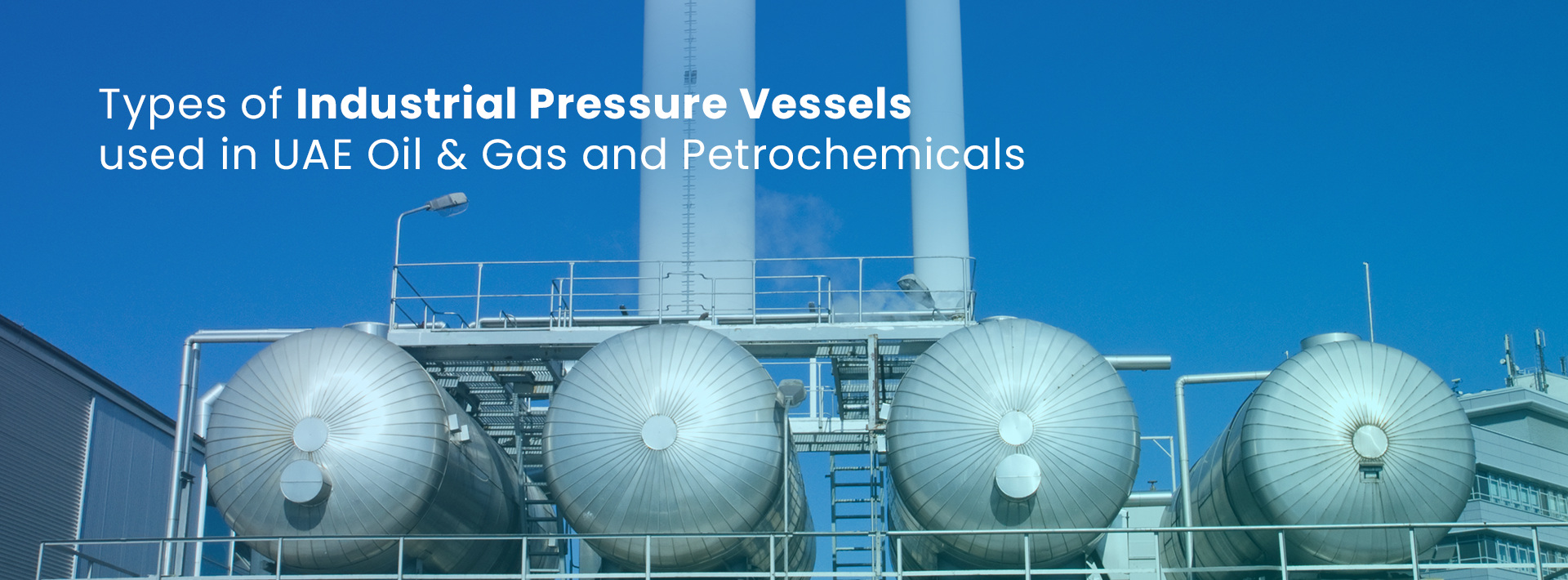
UAE is a highly advanced oil and gas centre, a petrochemicals centre, an oil refining centre, and a heavy industrial processing centre in the world. The conditions under which these industries operate are very harsh, including high pressure, high temperatures, corrosive fluids, and 24hr work hours. They depend on industrial pressure vessels to ensure safety, enhance process efficiency, and comply with regulations, since they are the foundations of upstream, midstream, and downstream infrastructure.
The processes that pressure vessels support include separation and storage, heat exchange, filtration, and chemical reactions, among others, enabling gases and liquids to be handled easily and conveniently. The nature of industrial pressure vessels mentioned in this blog is significant, and their highest application and material requirements are in oil and gas plants and petrochemical plants in the UAE.
Why Do Pressure Vessels need to exist in the UAE?
The UAE facilities, in Abu Dhabi oil fields, Fujairah oil field storage terminals, or petrochemical clusters of Ruwais, are challenged as follows in their operation:
- High temperature processing.
- Sour gas with H₂S and CO₂
- Offshore corrosion and offshore salinity.
- Rigid ADNOC/EHS regulations.
- Production capacity to be demanded.
Pressure vessels provide confinement, isolation, heat recovery, and reaction control, and as such, they are necessary for maintaining a superior course of operations in the industry.
1. Storage Pressure Vessels
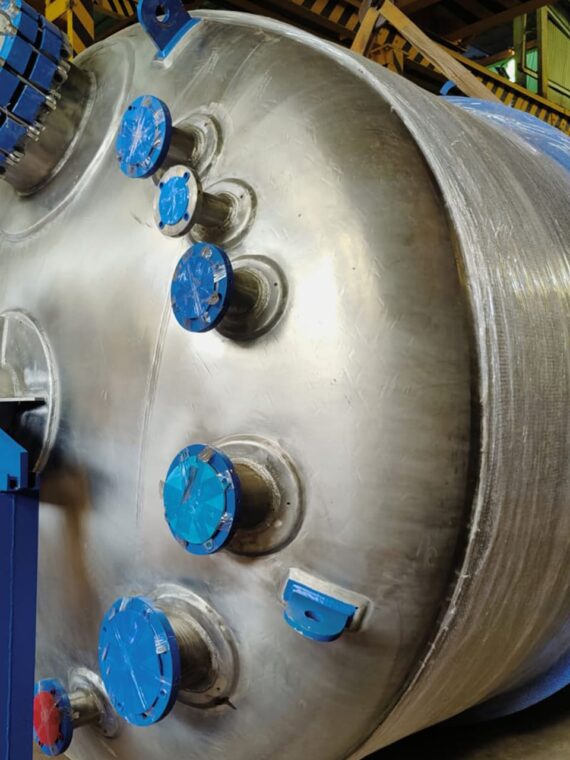
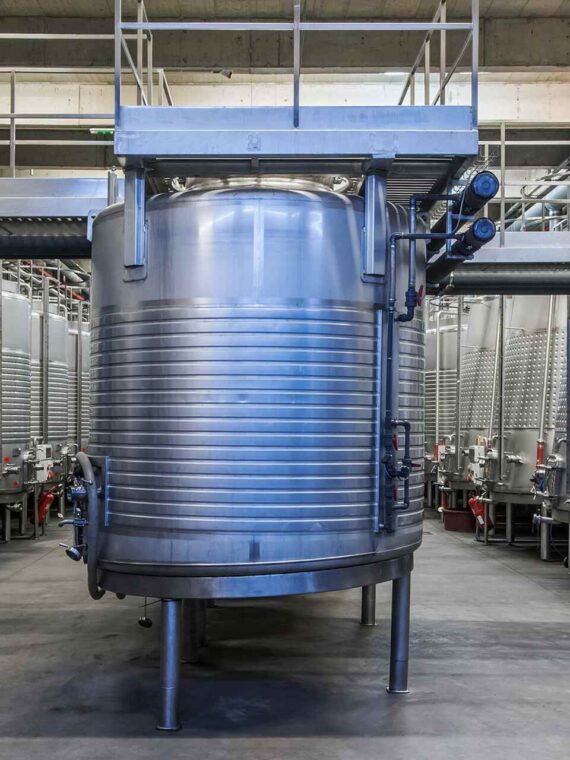
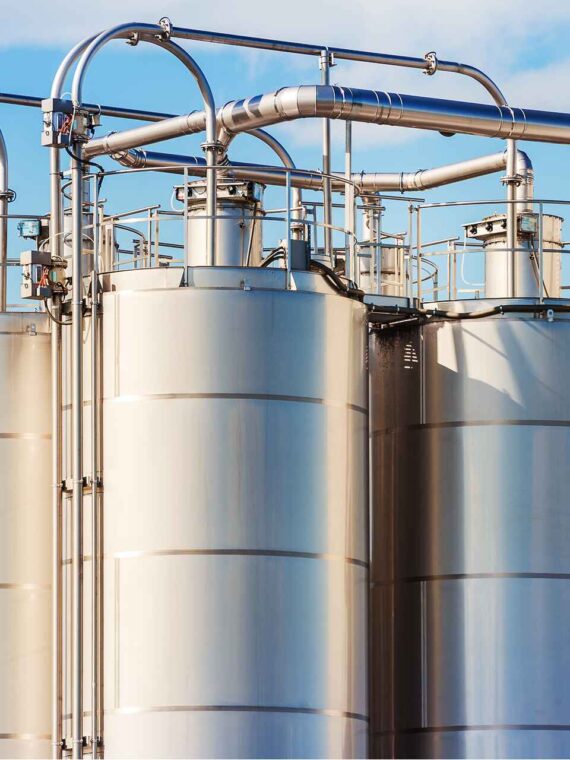
Storage vessels in the UAE are among the most widely used pressure vessels in oil and gas plants.
Purpose:
Storage to store under pressure gases, liquids, hydrocarbons, and chemical feedstock.
Common Types:
- Horizontal and Vertical Pressure Tanks.
- LPG Bullets
- Horton Spheres (Spherical Tanks) by the author of this post.
- Surge Vessels & Buffer Tanks
Applications:
- Storage of refined and crude products.
- LPG and LNG storage
- Chemical feed systems
- Gas receiving terminals
These ships are also commonplace in plants at Jebel Ali, Fujairah, and Ruwais, as well as offshore Abu Dhabi, due to the massive production and export processes.
2. Heat exchangers (Pressure-Rated)
Heat exchangers handle reactions and processes that are temperature-dependent.
Types:
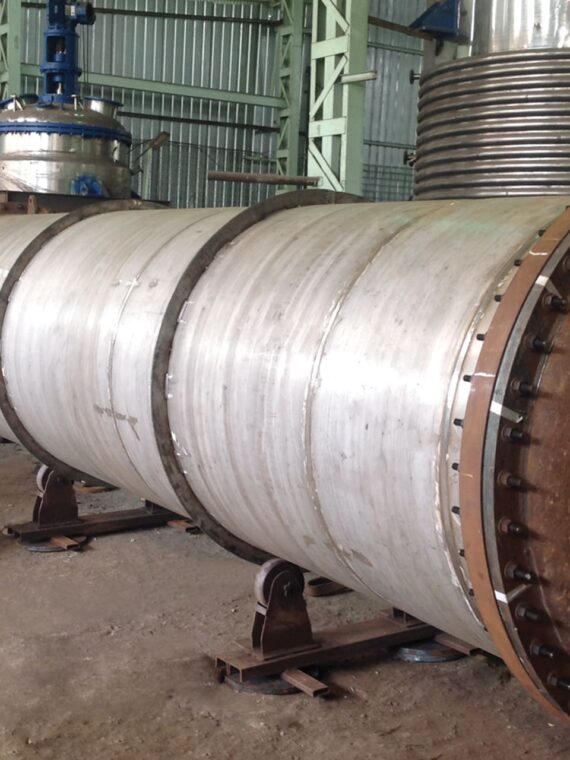
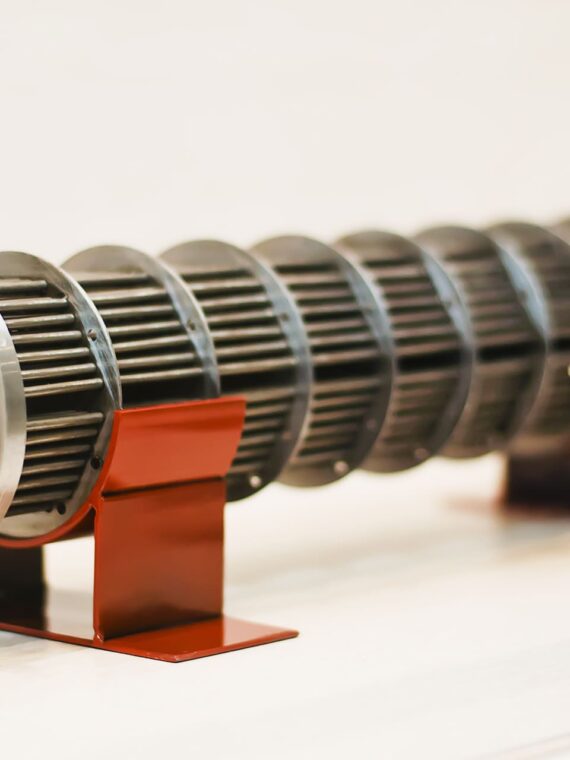
- Shell & Tube Heat Exchangers
- Air Cooled Heat exchangers (ACHE)
- U-Tube and Double Pipe Exchangers.
Applications:
- Heating crude oil
- Cooling and condensation of gases.
- Energy recovery
- Petrochemical batch processing.
The use of heat exchangers in UAE refineries is highly stressed by pressure and temperature, necessitating the use of corrosion-resistant materials and ASME specifications.
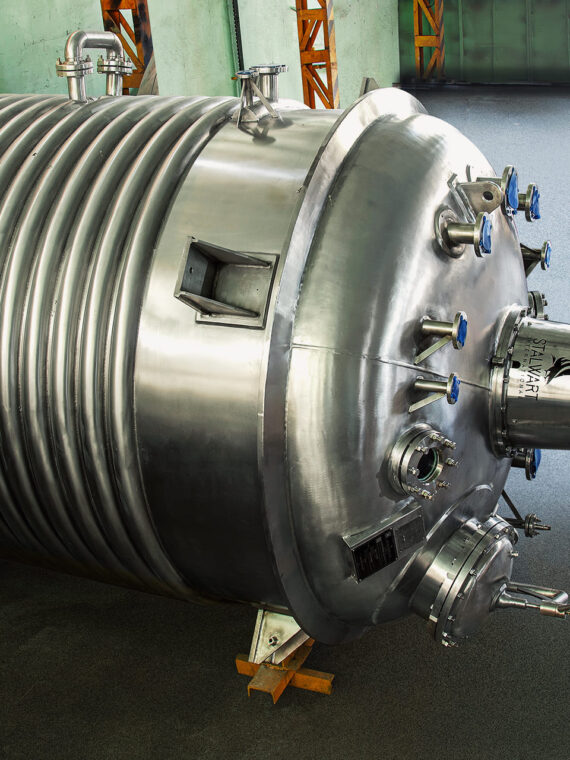
3. Chemical Reactors
One of the central units is the reactor, where chemical reactions are carried out under controlled conditions.
Types:
- Hydrotreating Reactors
- Hydrocrackers
- Polymerization Reactors
- Reforming Reactors
Applications:
- Desulfurization
- Polymer production
- Fuel conversion
- Reforming and cracking
The reactors are also the most sophisticated pressure vessels in the Middle East and are needed to house catalytic reactions, high-pressure hydrogen service and also corrosive media.
4. Separators
Separators are also necessary in production and refining.
Types:
- Separators (Gas Liquid, Two Phase)
- Three-Phase Separators (Oil Equipment Gas-Water)
- Slug Catchers
- Scrubbers
Where Used:
- Offshore oil platforms
- Onshore production facilities.
- Gas treatment plants
Separators can remove contaminants, stabilize crude, and help downstream equipment withstand fluid surges and impurities.
5. Process Towers and Distillation Columns.
The key operations in every petrochemical facility are distillation and mass transfer.
There are two categories of pressure-rated towers:
- Distillation Columns
- Absorber Towers
- Fractionator Columns
- Stripping Towers
Applications:
- Gas sweetening
- Petrochemical separation
- Industrial fractionation of hydrocarbons.
- Optimizing massive composite streams.
The towers of many plants in the UAE are over 4060 meters tall and are constructed to withstand pressure and thermal stress.
6. Boilers and Steam Drums
The petrochemical and refinery activities depend on steam.
Components that fall in the category of Pressure Vessels:
- Steam Drums
- Mud Drums
- Waste Heat Recovery Boilers (WHRB).
- Package Boilers
Used For:
- Power generation
- Distilling in towers of reboiling.
- Refinery Steam networks.
High-pressure steam systems should be safe, which means they must comply with ASME requirements.
7. Knockout Drums and Flash Vessels.
The units protect equipment against liquid carryover.
Purpose:
To separate liquid and gas streams before entering compressors, the flare system, or downstream vessels.
Applications:
- Flare knockout drums
- Compressor suction drums
- Overhead systems of distillation.
Common in the gas processes of ADNOC and the complexes of petrochemicals.
8. Autoclaves and Specialty Vessels: High-Pressure.
Used For:
- Polymer curing
- Manufacturing composite materials.
- Intensive pressure chemical treatment.
These vessels are frequently operated at extreme pressures and require the services of highly skilled welders with expertise in exotic alloys.
9. Amine Contactors and Scrubbers.
The presence of high levels of H₂S and CO₂ makes UAE operations indispensable, and they are treated through gas treatment.
Purpose:
- To eliminate acid gases by the following processes:
- Amine absorption
- Caustic scrubbing
- Activated carbon towers
Industries:
- Natural gas processing
- Refinery sulfur recovery units (SRU).
- LNG sweetening
These ships have ensured that the plants’ emissions comply with the UAE’s environmental standards.
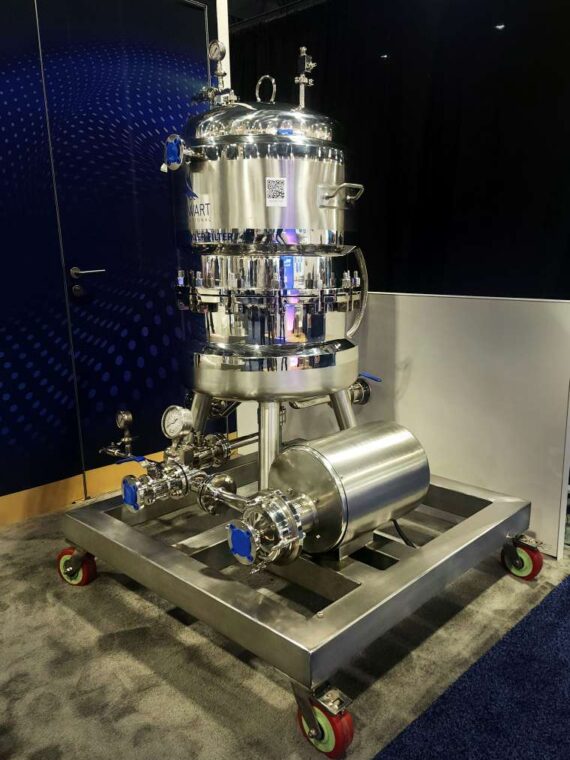
9. Cartridge Housing Vessels and Pressure Filters.
Applications:
- Water injection systems
- Produced water treatment
- Chemical dosing
- Solvent recovery
These vessels are to maintain fluid purity and to provide protective gear downstream.
Why Material Selection Matters in UAE
The extreme weather conditions in the UAE make corrosion and metallic degradation more dangerous. Thus, the construction of pressure vessels in the UAE is usually done through:
- Stainless Steel 316/316L
- Duplex & Super Duplex
- Special coated Carbon Steel.
- Alloys of Inconel, Hastelloy, and nickel.
The materials are also very durable in the long term, particularly in offshore and high salinity applications.
Compliance and Standards Followed in UAE
The pressure vessels to be used in the UAE are subjected to high compliance standards, such as:
- ASME Section VIII Div 1/2
- API 650 / 620
- ADNOC, ENOC, KNPC, ARAMCO requirements.
- UAE Civil Defense approvals
These guarantee the safety, reliability, and integrity of equipment.
You May Also Like: Choosing the Right Pressure Vessel Manufacturer for UAE
Conclusion
Pressure vessels are used across the oil and gas and petrochemical ecosystems of the UAE, ranging from reactors and separators to heat exchangers, storage spheres, boilers, and filtration vessels. Their ability to accept, process, and safely control pressure-imposed fluids is core to plant performance, functionality, and safety standards.
Information on the different types of vessels and their applications helps plant managers, engineering personnel, and purchasing personnel make informed decisions about equipment purchases or pressure vessel manufacturer in UAE selection. The UAE continues to expand its refining and petrochemical capacity, and therefore, high-value pressure vessels requiring ASME certification will still be in demand.
FAQs
1. How are industrial pressure vessels classified in UAE oil & gas projects?
Industrial pressure vessels in the UAE are primarily classified by pressure level, function, material, and design code. Common classes include storage vessels, separators, reactors, heat exchangers, and columns, designed mainly under ASME Section VIII or EN 13445 depending on project specs and client requirements.
2. What types of pressure vessels are commonly used in UAE refineries?
UAE refineries typically use separators, knockout drums, surge vessels, reactors, fractionation columns, and heat exchanger shells. These vessels handle high pressure, high temperature, and corrosive media such as hydrocarbons, hydrogen, and sour gas.
3. What is the ASME standard followed for pressure vessels in the UAE?
Most UAE oil & gas projects follow ASME Boiler and Pressure Vessel Code (BPVC) Section VIII, Division 1 or Division 2. Division 1 is used for conventional designs, while Division 2 is chosen for high-pressure or weight-optimized vessels.
4. What is the difference between ASME and EN 13445 pressure vessels?
ASME uses rule-based design with mandatory thickness calculations, while EN 13445 is more design-by-analysis focused. UAE EPC projects usually prefer ASME due to global acceptance, but European-linked projects may specify EN 13445.