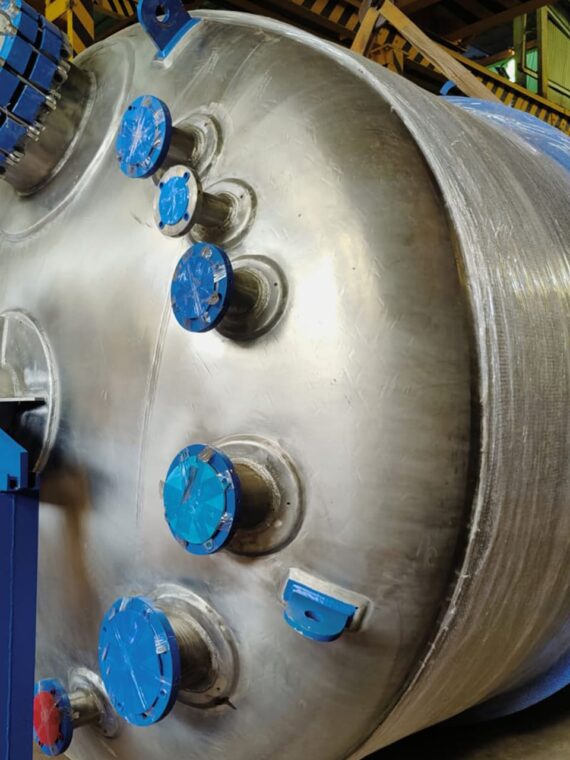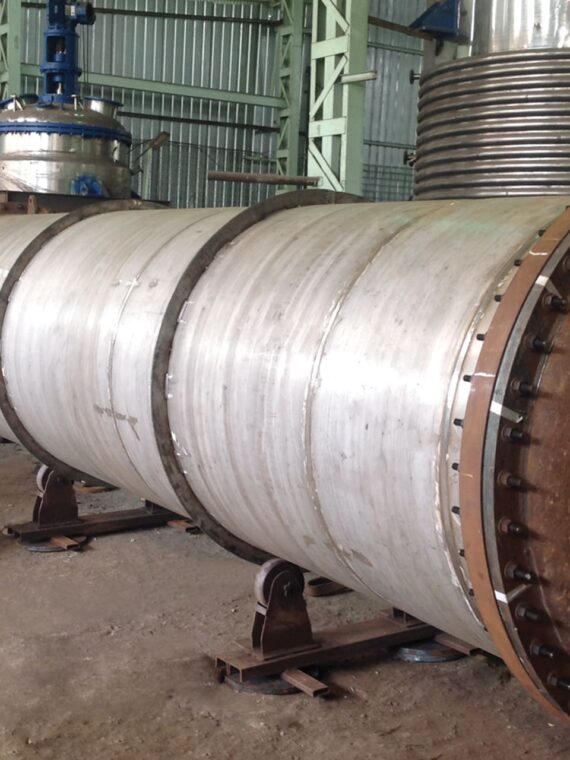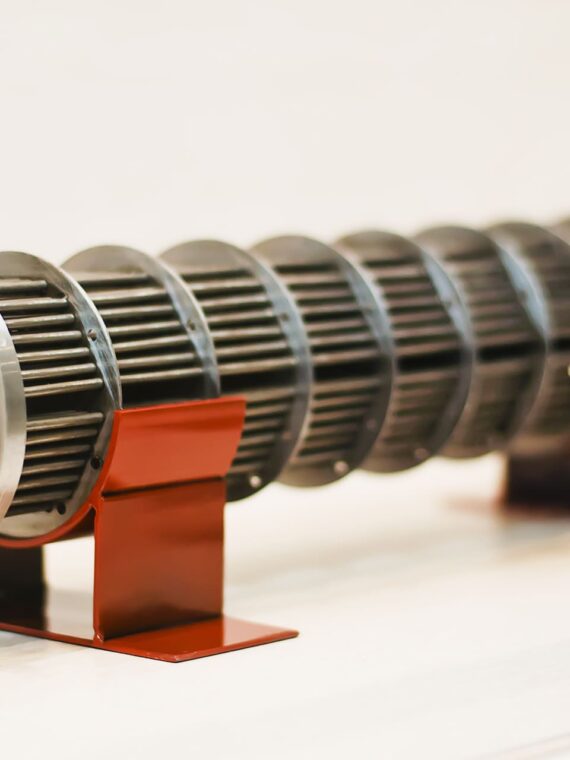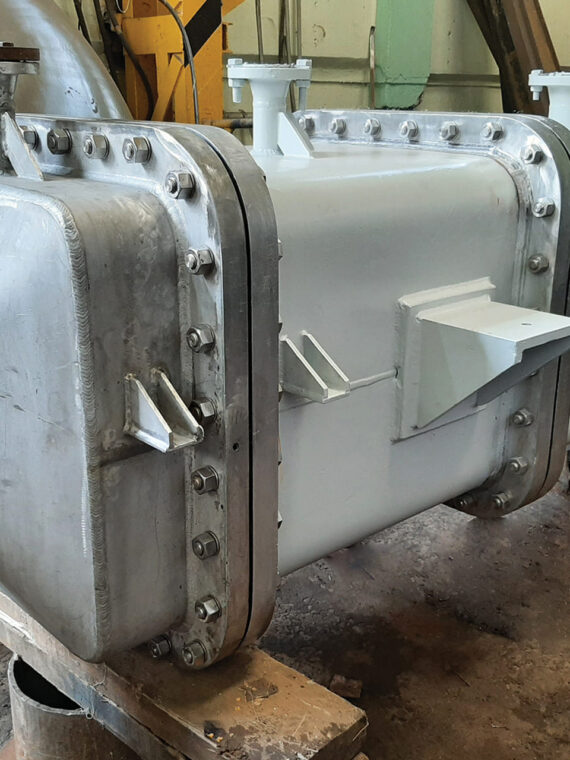

High pressure process vessels and reactors are key pieces of equipment in petrochemical, chemical, power and pharma industries. When such equipment is exported or imported, installed or commissioned abroad, there are dozens of local and international regulatory standards to meet. These legal requirements pose major challenges to manufacturers, EPC contractors and buyers in the petrochemical industry: a pressure vessel that does not meet standard requirements will be rejected at customs or suffer major inspection delays at the port.
Why Do Vessels Need To Meet Standards?
Any country that uses high-pressure vessels has developed detailed rules and requirements for their production and operation. While these requirements are usually aimed at ensuring safety, they differ from country to country.
Most of the developed countries have their own regulatory standards, which, for example, specify which inspection, testing and certification procedures should be carried out for the vessel equipment. This is primarily due to the fact that each of the countries sets its own requirements for technical regulation and is responsible for the safety of facilities within its jurisdiction. A vessel that has been built according to all requirements may be rejected at customs due to the lack of necessary documents or even an international inspection certificate.
Key Standards For High Pressure Vessels And Reactors (ASME BPVC, PED, GB150…)
International standards for high-pressure equipment are diverse depending upon the region of manufacture and the location where the asset is intended to be used. The major standards governing the design and construction of high-pressure process vessels and boilers globally include:
ASME Boiler and Pressure Vessel Code (BPVC),
Particularly Section VIII Division 1 for unfired pressure vessels. Vessels constructed in accordance to this code are stamped with an ASME “U” certificate by an approved inspection agency. This standard enjoys wide acceptance in the Middle East, Americas and Asia.
EU Pressure Equipment Directive (PED 2014/68/EU):
This is a mandatory legal requirement for all equipment placing within the EU market. PED categorizes pressure equipment based on its risk level, with different categories requiring different levels of conformity assessment ranging from self-certification to third-party examination by a notified body.
China’s GB150 and the TSG (NEA/SAMR) regulations:
Similar to PED, TSG applies to all pressure equipment placed on the Chinese mainland. Equipment imported from overseas or fabricated locally for export to China require adherence to both GB150 and TSG.
Other regional standards for pressure equipment include Japan’s JIS standards and the High Pressure Gas Safety Act, India’s IBR for boilers, and Russia’s GOST-R and Rostechnadzor regulations.
Pressure Vessels in the Energy Transition: Opportunities Across the Middle East
5 Main Standards Compliance Challenges in International Project Realization
Material traceability and mill certificates:
When selecting materials for the manufacture of high-pressure vessels, it is necessary to study traceability documents and mill certificates. Different countries have different lists of certificates for materials, which must be taken into account when manufacturing vessels. Even if two countries have similar standards for steel plates, their characteristics may vary, which must be indicated in the documentation.
Welding procedure qualification:
Welding qualifications must also be checked for compliance with the requirements of the selected standard. Even if a company has extensive experience in welding vessels according to ASME or ASTM standards, this does not eliminate the need to qualify according to the requirements of another standard, for example, EN ISO 15614. Although time-consuming, this process will save the company from failures due to non-conformity of welding procedures.
Third-party inspection and inspection organizations:
When selecting an inspection organization, it is important to check the certificates of the inspection organization itself. If the selected organization does not have the necessary accreditation, the project may be delayed for an extended period or incur significant costs for additional checks.
Documentation and technical package of projects:
Nowadays, more and more often, documentation for vessels and boilers is submitted electronically. In the event that the required documents are not provided or the information in them is inconsistent with the information in the technical package of the project, the shipment of equipment may be delayed to the port. Moreover, a large amount of documentation must be prepared to meet the requirements of individual ports and customs, such as certificates of radioactivity, proof of quality tests of metal, and test documentation.
Harmonization of standards:
Although there are international standards for high-pressure vessels and boilers (such as ISO 16528: 2016), individual countries still have their own unique requirements. Some of them are not fully compatible with each other, so mutual recognition agreements are being developed that specify which local and international standards apply to what vessels. It is important to remember that not all countries accept ISO standards as valid documents.
Types Of Industrial Pressure Vessels Used In Uae Oil & Gas And Petrochemicals
General Recommendations for Manufacturers and Buyers of High-Pressure Vessels
Based on the preceding discussion, the following recommendations are made to manufacturers and buyers of high-pressure equipment engaged in international trade:
- Establish the applicable standard in the target country at the earliest stage of a project.
- Budget for additional costs incurred during dual certification of equipment in countries with different technical requirements.
- Verify the credentials of inspection agencies and notified bodies as appropriate to the target market.
- Maintain an updated list of design codes, materials specifications and welding procedures that are acceptable to a given jurisdiction.
- Engage local consultants to navigate complex customs and regulatory clearances in countries such China, India and Russia, where additional documentation and examination may be required.
Conclusion
While the technical aspects of international trade of high pressure equipment often dominate discussions, meeting regulatory requirements is often a critical success factor that dictates the speed and success of a project. As the petrochemical sector grows and new manufacturing centers emerge, companies that demonstrate a proficiency in adhering to a combination of ASME, PED, GB150 and other standards will be better positioned to meet the needs of the international market.
FAQs
What international standards apply to high-pressure process vessels and reactors?
High-pressure process vessels and reactors may need to comply with standards such as ASME Boiler and Pressure Vessel Code (BPVC), the EU Pressure Equipment Directive (PED 2014/68/EU), China’s GB150 and TSG requirements, Japan’s applicable JIS and pressure-equipment regulations, and other jurisdiction-specific rules. The applicable requirements depend on where the equipment will be manufactured, installed, and operated.
What is ASME BPVC for pressure vessels?
The ASME Boiler and Pressure Vessel Code (BPVC) provides requirements for the design, fabrication, examination, testing, and certification of boilers and pressure vessels. ASME BPVC Section VIII is particularly relevant to pressure vessels and is widely referenced in international industrial projects.
What is PED 2014/68/EU?
The Pressure Equipment Directive (PED 2014/68/EU) establishes requirements for certain pressure equipment placed on the European Union market. Equipment is classified according to factors such as pressure, volume, fluid group, and equipment type, which determine the applicable conformity assessment requirements.
What are GB150 and TSG requirements for pressure vessels in China?
GB150 is a key Chinese standard covering pressure vessel design and construction, while applicable TSG safety technical regulations establish additional regulatory requirements. Equipment intended for use in China should be evaluated against the relevant Chinese standards and regulatory requirements before manufacturing and shipment.
Why is material traceability important for pressure vessel compliance?
Material traceability helps demonstrate that plates, forgings, pipes, and other components meet the required specifications. Mill certificates, material identification records, and supporting documentation allow manufacturers and inspectors to verify material origin, properties, and compliance throughout fabrication.
Why are welding procedure qualifications important for international projects?
Pressure vessel welding must satisfy the requirements of the applicable design code and jurisdiction. Welding Procedure Specifications (WPS), Procedure Qualification Records (PQR), and welder qualifications may need to comply with standards such as ASME Section IX or applicable ISO/EN requirements.
What role does third-party inspection play in pressure vessel exports?
Third-party inspection can verify that equipment meets specified design, material, fabrication, testing, and documentation requirements. Depending on the destination and regulatory framework, inspection may need to be performed by an authorized inspection agency, notified body, or other appropriately accredited organization.
What documents are commonly required when exporting pressure vessels?
Requirements vary by destination, but documentation may include design calculations, drawings, material certificates, welding records, NDT reports, pressure-test records, inspection certificates, conformity documentation, and other technical or customs-related records required by the jurisdiction.
Can one pressure vessel comply with multiple international standards?
Potentially, but compliance with multiple standards should be planned from the design stage. Differences in materials, design rules, welding qualifications, testing, inspection, documentation, and certification can make dual or multi-code compliance more complex and costly.
How can manufacturers reduce regulatory delays when exporting pressure vessels?
Manufacturers can reduce compliance risks by identifying destination-country requirements early, confirming acceptable materials and welding procedures, using appropriately qualified inspection organizations, maintaining complete technical documentation, and coordinating regulatory and customs requirements before shipment.