
There’s not much difference between choosing a new piece of equipment and selecting an overseas manufacturing partner, except that the latter is a choice that will define a business relationship for a matter of years, not equipment purchases or single orders. A manufacturing partner relationship – for a white-label arrangement, a stockist/consignment-style distribution agreement, an EPC-aligned supply agreement, or anything in between – represents an ongoing commitment in which both parties share an increased degree of exposure and liability. The right approach to vetting upfront may prevent a business from experiencing the fallout of a poor strategic decision months or years later.
This framework provides guidance on identifying, evaluating, and executing a relationship with an overseas manufacturing partner for any of the three most common types of relationships outlined above.
Step One: Determine What Type of Relationship You Need
The requirements for each type of manufacturing partner relationship are significantly different, and therefore should be decided upon prior to beginning the evaluation process. A white-label arrangement (in which the overseas partner will manufacture products to your specifications and under your branding, and in which you retain responsibility for the customer relationship) places a premium on the partner’s consistency, confidentiality practices, and willingness to adhere to your quality documentation over its own. A stockist/distribution arrangement (in which the overseas partner will maintain inventory and fulfill customer orders, typically on a consignment or purchase basis) prioritizes their credibility in the local market, ability to maintain stock and distribute on a timely basis, and financial credibility in regard to purchase commitments or consignment liabilities. An EPC-aligned supply agreement (in which the overseas partner is one of a number of component suppliers for a larger project managed by the overseas partner itself, a third party EPC contractor, or a combination of the two) requires the applicant to have their own robust pre-qualification and subcontracting procedures in place, as the selection of this type of manufacturing partner requires trusting their own procedures for selecting and managing supply chain partners.
Step Two: Confirm Legal and Financial Standing Before Proceeding
Before looking at the capabilities of the manufacturing partner, confirm that the entity as described actually exists by requesting and reviewing business registration documents from government registration databases. In parallel, request audited financial statements for the past 2-3 years and review trends in revenue, debt, and – most importantly – aging accounts receivable, as a partner with outstanding receivables from other customers may have trouble funding production as promised to you. For larger commitments, a third party corporate due diligence report (available from a number of business verification firms) is a worthwhile expense to screen out dishonest or misleading information.
Step Three: Evaluate Manufacturing Capabilities in Person (or Through an Independent Service)
The capabilities listed on a website or in a provided capability statement are typically little more than marketing copy, and should not be used as a reference point when determining whether this potential manufacturing partner has the ability to meet your requirements. If possible, conduct a personal site visit to evaluate the manufacturing partner’s capabilities, or hire an independent third party factory audit firm to conduct this assessment in your place. When touring a manufacturing facility, look beyond the large, showy pieces of equipment to three aspects of the operation that are strong predictors of actual manufacturing quality: the calibration records for test and measurement equipment, the organization and thoroughness of quality records for recent orders (request to see a real batch record, not a template), and the process that the manufacturing facility uses to respond to a nonconformance when one is discovered; a shop that is able to present a recent corrective action, complete with supporting documentation and closure, demonstrates a thorough understanding of its own quality systems.
Step Four: Pressure-Test Communication and Responsiveness Early
Prior to executing any formal agreement or signing any documentation, conduct a test of the responsiveness and quality of communication from this manufacturing partner. Send a moderately complex technical question and determine how this potential partner responds; is the responder technically competent and able to provide an accurate answer, or are they simply reciting boilerplate information? Is the language used (typically either English or the working language of the manufacturing partner) clear enough that you will not find yourself misunderstanding important details on a specification sheet? This simple test can identify a great many issues with how this potential manufacturing partner communicates and interacts with customers, and may save time and money spent on a failed partnership.
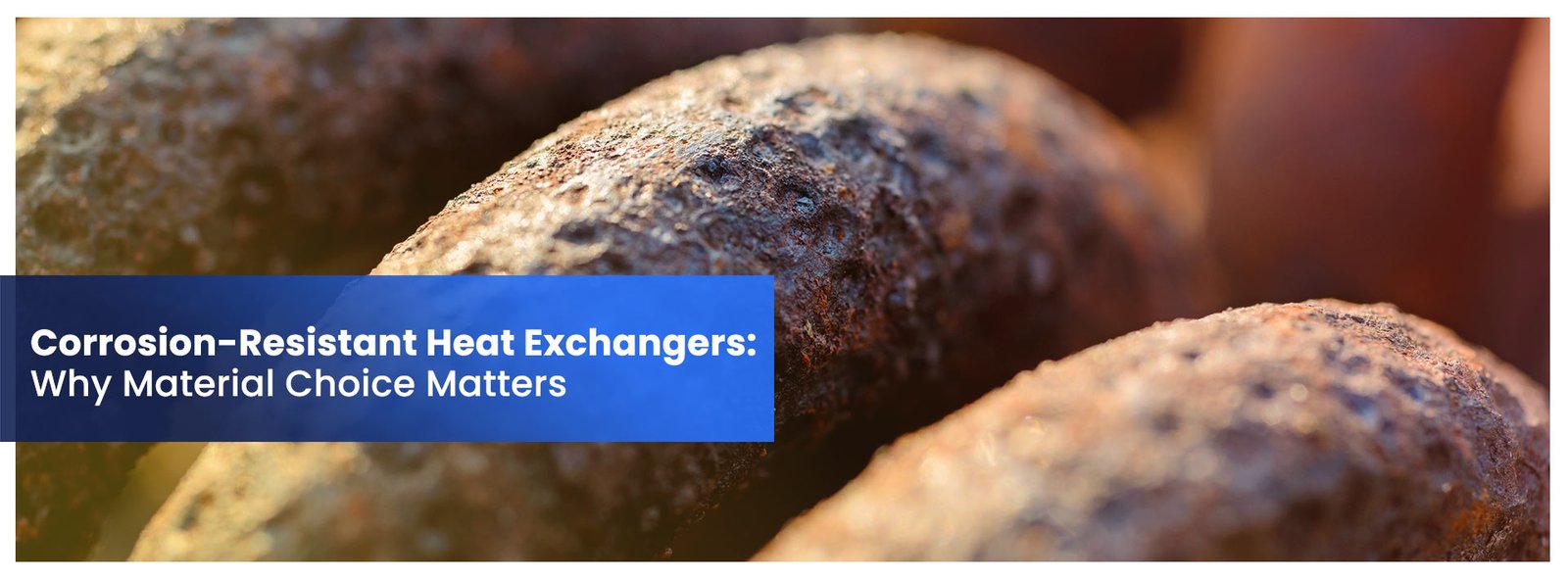
Corrosion-Resistant Heat Exchangers: Why Material Choice Matters
Step Five: Structure a Trial Run
Avoid committing to a large production order from the start of a long-term manufacturing partnership; instead, request a trial run in which an order of representative quantity is produced using the same documentation and inspection procedures that will be used for future, larger-volume orders. The purpose of this trial order is to evaluate not only the quality of the finished product, but the ability of this manufacturing partner to adhere to your documentation requirements, order confirmation, production timeline, shipping documentation, and general responsiveness throughout the process.
Step Six: Define Quality, Intellectual Property, and Exit Requirements in Writing
A quality agreement (defining documentation and inspection requirements for purchased parts) should be executed concurrently with the commercial contract, not assumed to be in place implicitly. For white-label arrangements in particular, intellectual property and confidentiality agreements should be given particular care and attention, with consideration given to tooling ownership, non-compete clauses, and other requirements that should be defined for either party in the event that the relationship is terminated or renegotiated. Every contract should define clear exit requirements, including minimum notice periods for either party to end the relationship, disposition of open orders and returned or defective goods, and tooling ownership in the event that the relationship is terminated for any reason, with these requirements established when the relationship is new and mutually beneficial, rather than requested in response to a crisis.
The Underlying Principle
In all three cases, the most important factors in selecting a successful long term overseas manufacturing partner boil down to indications of a functioning and honestly-documented quality and communication system that have been independently verified, and tested at small scale prior to committing to large volume production.
FAQs
What should you look for in an overseas manufacturing partner?
Look for proven manufacturing capabilities, strong quality systems, financial stability, clear communication, reliable documentation, and a track record of meeting production and delivery requirements.
How do you verify an overseas manufacturing company’s legitimacy?
Review its government business registration, audited financial statements, corporate information, and, for larger commitments, consider using an independent corporate due diligence provider.
Should you visit an overseas manufacturing facility before signing a contract?
Yes, where practical. A site visit or independent factory audit can help verify manufacturing capabilities, quality records, testing equipment, production processes, and corrective-action procedures.
Why is a trial production run important?
A trial run allows you to evaluate product quality and determine whether the manufacturer can consistently follow your specifications, documentation requirements, inspection procedures, timelines, and shipping processes before you commit to larger orders.
What should be included in an overseas manufacturing agreement?
The agreement should clearly address product specifications, quality requirements, inspection procedures, delivery expectations, intellectual property, confidentiality, tooling ownership, defective goods, open orders, termination, and exit requirements.
How can you protect intellectual property when working with an overseas manufacturer?
Use appropriate confidentiality and intellectual property agreements and clearly define ownership of designs, specifications, tooling, documentation, and other proprietary materials before production begins.
What is the difference between white-label, stockist, and EPC manufacturing relationships?
White-label manufacturing involves producing products to your specifications under your brand. Stockist or distribution arrangements focus on inventory and order fulfilment. EPC-aligned supply relationships involve supplying components or products within a larger engineering, procurement and construction project.
Why is communication important when choosing an overseas manufacturing partner?
Clear communication reduces the risk of misunderstandings involving specifications, quality requirements, production schedules, documentation, and shipping. Testing communication with technical questions before signing an agreement can reveal potential issues early.
When should you conduct due diligence on an overseas manufacturing partner?
Due diligence should be completed before making a significant financial or long-term commitment. Legal, financial, operational, quality, and communication checks can help identify potential risks before production begins.