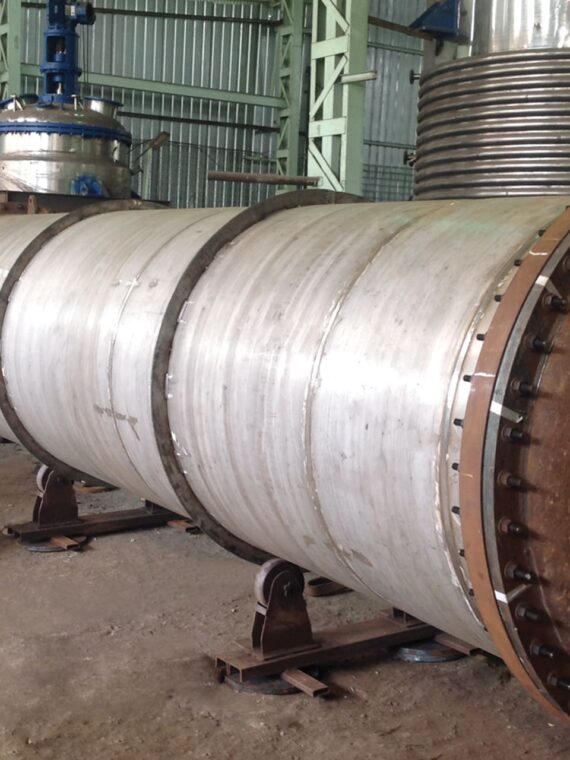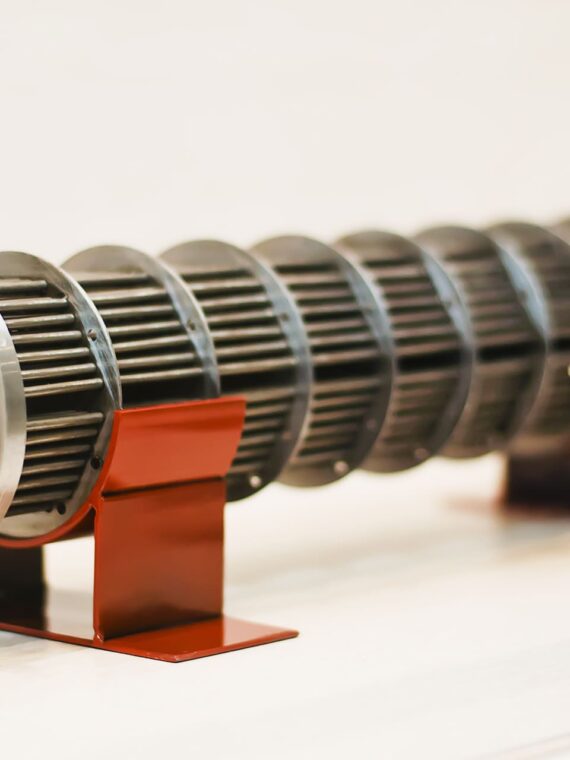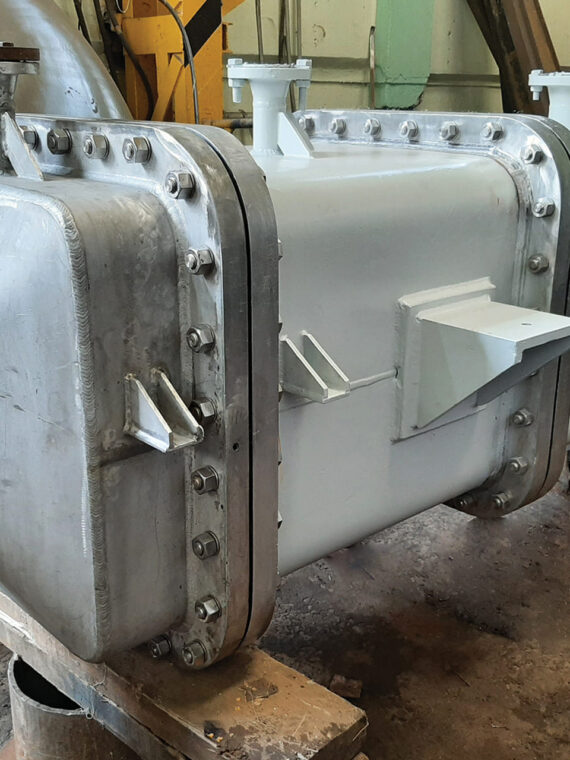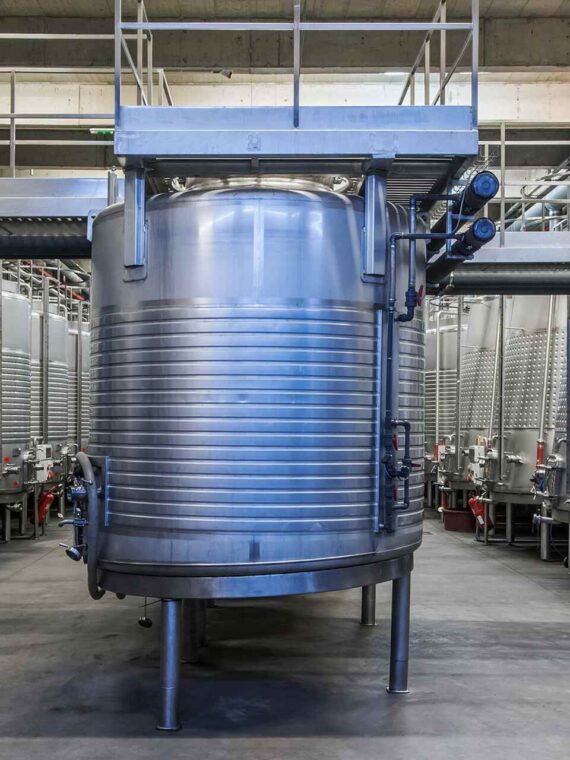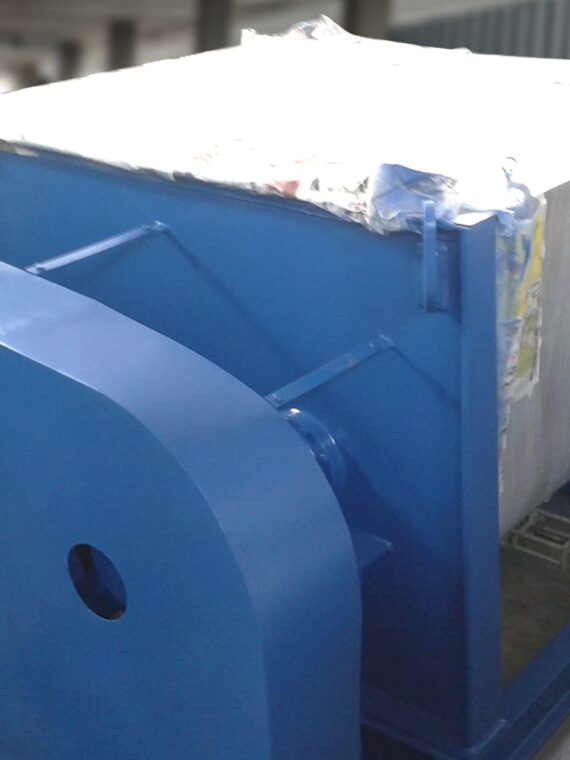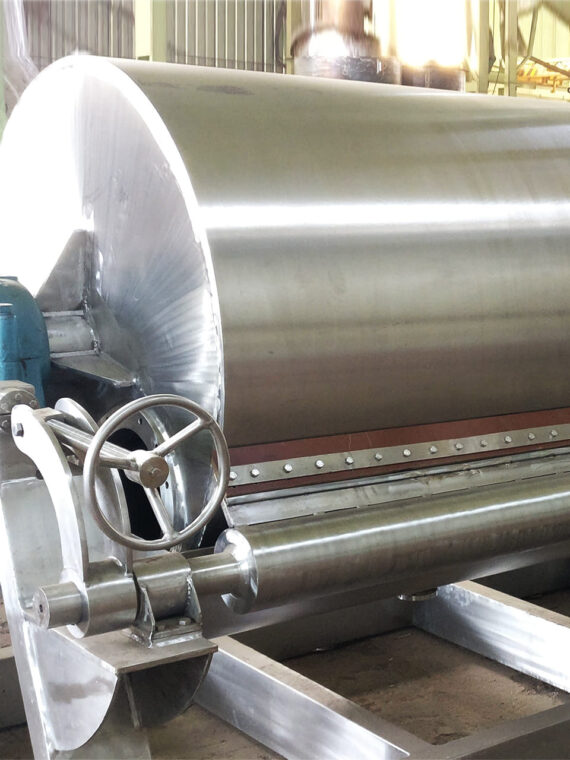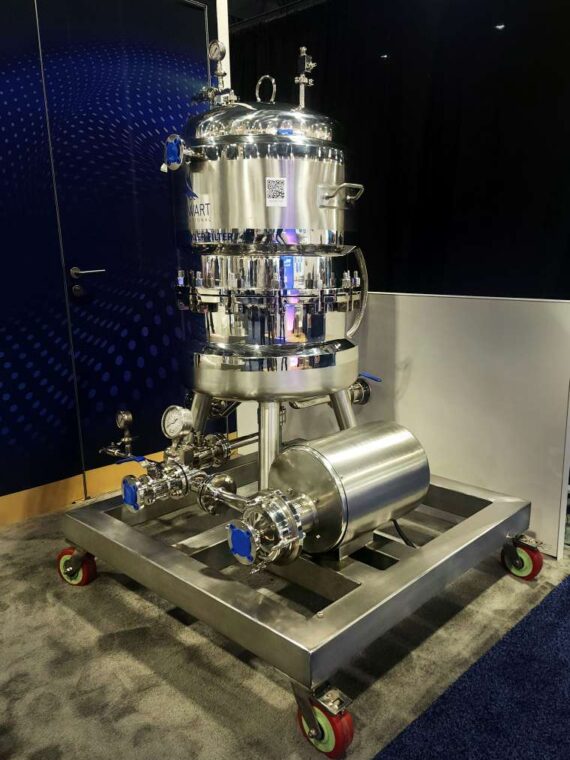

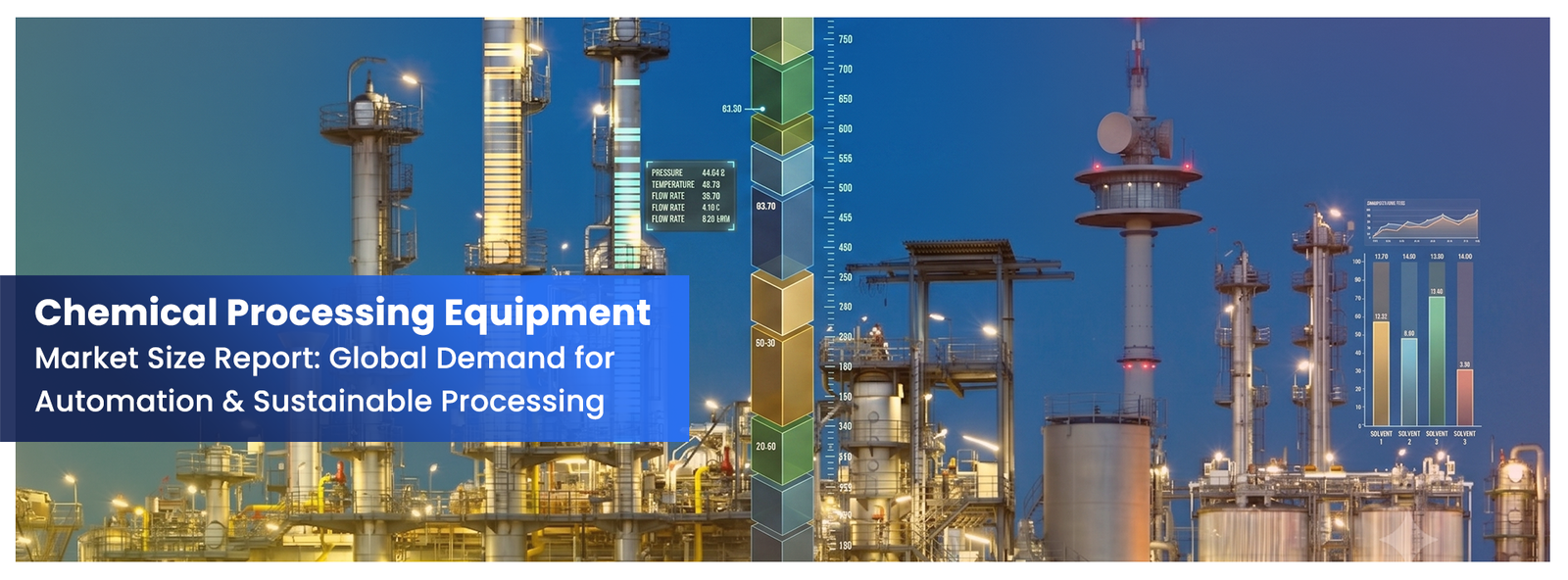
Automation, and Sustainability Drive Demand Chemical processing equipment is witnessing a fundamental shift as buyers prioritize automation and sustainability in critical equipment categories. Reactors, mixers, dryers, filtration, and heat exchangers face a changing market environment that drives divergent capital allocation priorities, competitive positioning, and equipment size selection across all processing regions.
Market Size Trends
The global chemical processing equipment market has entered a phase of sustained multi-billion-dollar growth, fueled by rising chemical production capacity installation worldwide. Analysts remain confident about mid-to-high single-digit annual growth rates through the next decade, with automation and energy performance features driving disproportionate growth compared to traditional mechanical equipment. Asia-Pacific remains the largest region for chemical processing equipment with China, India, and other emerging economies leading the way, while North America and Europe are witnessing higher rates of equipment replacements and upgrades than discrete capacity additions.
Automation Trends
Automation is quickly becoming an essential feature rather than an optional upgrade for chemical processing equipment. Several factors are likely to drive automation adoption in processing equipment over the next decade:
- Reduction in labor costs and exposure to hazardous environments: A rising number of chemical processing facilities are capitalizing on automation to reduce reliance on direct labor for high-risk tasks such as batch processing and tank cleaning.
- Process control and digitalization: Process equipment suppliers are witnessing rising demand from downstream chemical manufacturing for fully-integrated control and analytics systems that continue to optimize batch yields and reduce cycle time via predictive maintenance and digital twin technologies.
- System-level integration: Processing equipment is witnessing rising demand for compatibility with higher-level distributed control systems and manufacturing execution software packages that facilitate enterprise-level analytics on a continuous basis. Processing equipment without end-to-end compatibility with control systems at the worksite is becoming anathema to manufacturers.
- Advanced process control: Reactors and separation systems with advanced process control features that help reduce energy consumption and minimize off-spec production are set to witness higher adoption and investment over the next decade.
Sustainability Trends
Processing equipment buyers are placing greater emphasis on equipment-related sustainability opportunities ranging from energy efficiency to utilization of cleaner technologies. Energy-conscious processing equipment buyers are prioritizing heat exchangers, reactors, and dryers with superior energy performance characteristics. Similarly, water recovery and reduction in solvent consumption are emerging as important selection criteria across several processing equipment categories. In addition, continuous processing technologies are quickly replacing traditional batch processing systems in some chemical manufacturing applications. The rising focus on electrification of chemical processing is facilitating faster adoption of electrically-heated reactor and dryer systems in select markets with access to cheap electricity.
Market Trends by Equipment Type
While the overall market for chemical processing equipment is dominated by reactors and agitated vessels, filtration and separation equipment are witnessing the highest growth rates. Heat exchangers are also set to see rising demand due to their end-use in energy recovery applications, while equipment types such as continuous flow mixers benefit from rising demand in the battery materials and specialty chemical end-markets.
Geographic Trends
Asia-Pacific remains the largest market for chemical processing equipment, with a growing number of local suppliers offering automation and digitalization features that were previously only available from manufacturers in North America, Europe, and Japan. Processing equipment in North America is witnessing rising demand in replacement and retrofit markets, while Europe is seeing a significant share of demand coming from sustainability-focused upgrades to meet emissions and energy regulations.
Top Chemical Equipment Exported: Market Trends & Trade Analysis
Implications for Buyers and Suppliers
Processing equipment buyers must recognize the long-term value of automation, digitalization, and energy efficiency in reducing overall equipment costs, as well as integration requirements with broader analytics and control systems at the worksite. Equipment suppliers, on the other hand, must understand that software and integrated analytics are quickly becoming key differentiators, particularly in higher-margin segments such as pharmaceuticals and specialty chemicals.
Conclusion
The growth of the chemical processing equipment market is now dominated by investment in capacity expansion. However, there is a tendency for this capacity to be more automated and sustainable, as those factors are now combined into one purchasing criterion. The companies that will thrive in this market in the next decade are those that frame automation and sustainability as features of their products, not ancillary perks.
FAQs
What is the chemical processing equipment market?
The chemical processing equipment market includes equipment used in chemical manufacturing and processing, such as reactors, mixers, dryers, filtration systems, separation equipment, and heat exchangers.
What is driving the growth of the chemical processing equipment market?
Market growth is being driven by expanding chemical production capacity, increased automation, digitalisation, energy efficiency, and growing demand for sustainable processing technologies.
How is automation affecting chemical processing equipment?
Automation is becoming an essential feature of modern processing equipment. It can reduce labour requirements and exposure to hazardous environments while supporting process control, predictive maintenance, digital twins, and improved production efficiency.
Why is sustainability important in chemical processing equipment?
Manufacturers are increasingly prioritising equipment that improves energy efficiency, reduces water and solvent consumption, supports cleaner technologies, and enables more sustainable processing operations.
Which chemical processing equipment segments are growing fastest?
While reactors and agitated vessels continue to dominate the market, filtration and separation equipment are experiencing some of the highest growth rates. Heat exchangers and continuous-flow mixers are also seeing increased demand in specific applications.
Which region has the largest chemical processing equipment market?
Asia-Pacific remains the largest regional market, with China, India, and other emerging economies contributing significantly to demand.
How is digitalisation changing chemical processing equipment?
Digitalisation is increasing demand for integrated control and analytics systems, predictive maintenance, digital twins, and compatibility with distributed control systems and manufacturing execution software.
What should buyers consider when selecting chemical processing equipment?
Buyers should consider automation capabilities, energy efficiency, digital integration, compatibility with existing control systems, long-term operating costs, and sustainability requirements.
What role do heat exchangers play in the market?
Heat exchangers are expected to see rising demand because of their role in energy recovery and improving the energy performance of chemical processing operations.
What is the future of the chemical processing equipment market?
The market is expected to continue expanding as chemical production capacity grows, with future investment increasingly focused on equipment that combines automation, digitalisation, energy efficiency, and sustainability.