
Procurement considerations for capital equipment are multi-million dollar decisions for any chemical processing facility. Whether being specified for a greenfield production facility or as part of the debottlenecking project, chemical reactors, heat exchangers, and distillation columns are the workhorses of any chemical processing plant.
Downstream processing unit procurement specifications must be carefully balanced between optimal reaction process yield, total cost of ownership, corrosion resistance, and thermal efficiency. This buyer’s guide compiles important chemical engineering whitepapers, technical specifications, and procurement benchmarks to help chemical engineers in selecting export-quality processing machinery.
1. Chemical Reactors: Sizing, Materials & Reaction Kinetics
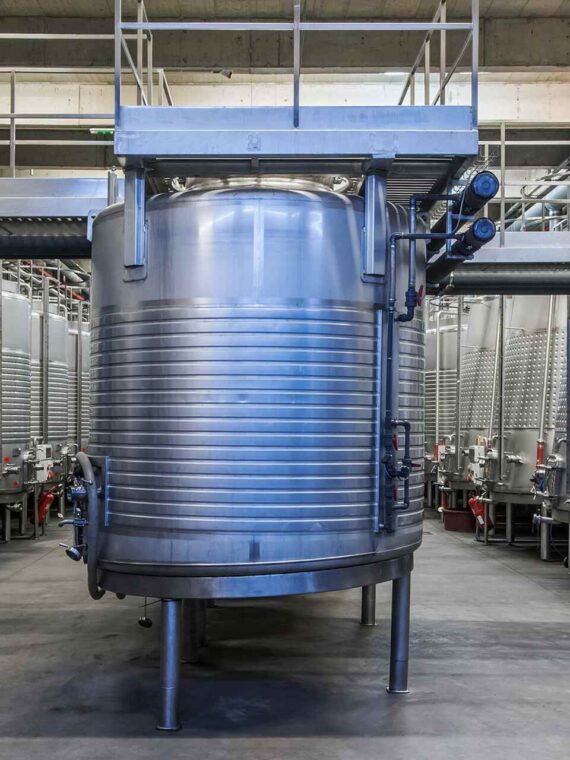
The type of chemical reactor selected as part of the process equipment list determines the overall equipment footprint, process yield, and active material lifetime. Below are the critical factors to consider when specifying chemical reactor vessels:
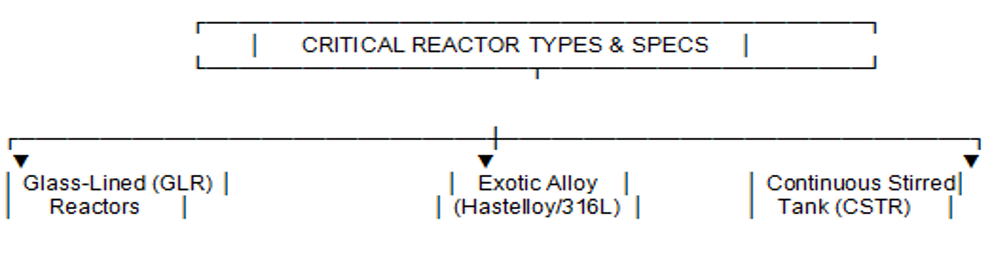
Process Mixing Considerations
- Batch Reactors: Opt for batch processing if your chemical synthesis recipe involves high-value API (Active Pharmaceutical Ingredient) that requires multiproduct manufacturing.
- Continuous Reactors: For CSTR and PFR (Plug Flow Reactor) type configurations, continuous processing allows higher production rates and better heat control inside the vessel.
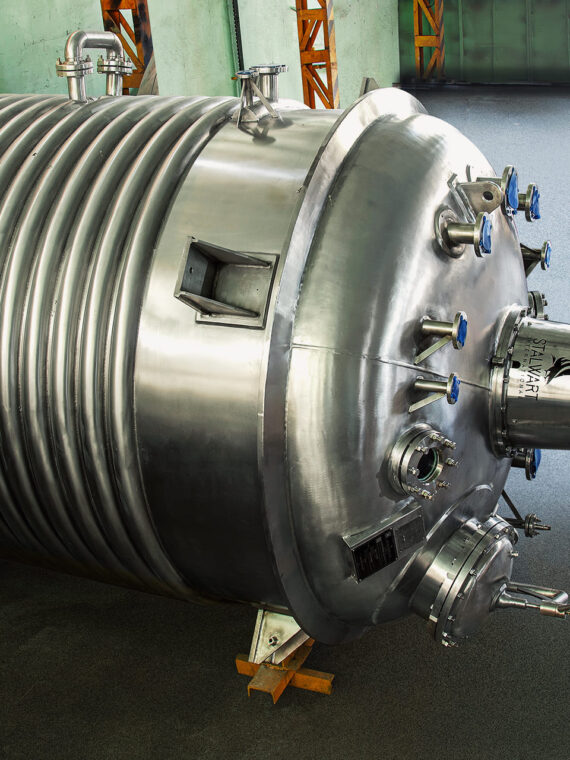
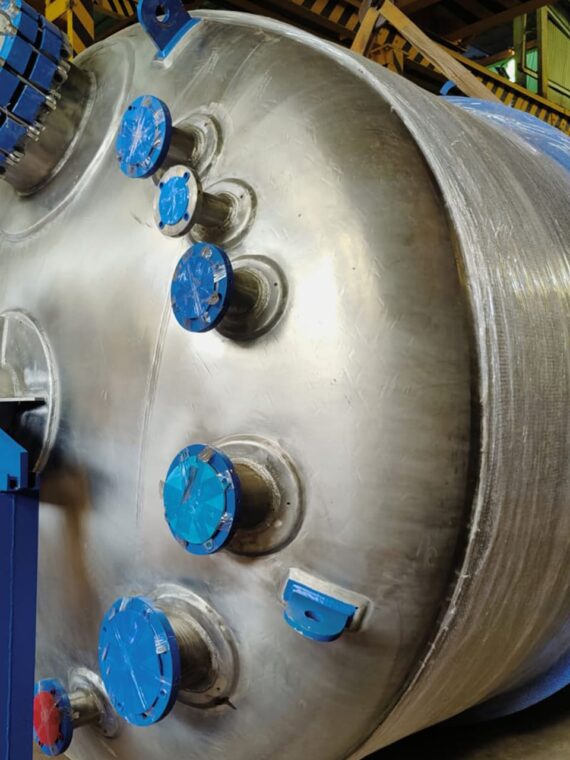
- Material Selection Guidelines: For aggressive acidic or halide-based chemical reactions, GLR (Glass-Lined Reactors) are the standard in the industry for their superior corrosion resistance. To allow higher thermal conductivity and mechanical durability, high-nickel alloys, Titanium, or 316L stainless steel are preferred for highly exothermic or endothermic reactions.
- Heating & Cooling Infrastructure: Always specify vessels with enhanced dynamic jacket options (limpet coils or dimple jackets) to allow rapid heat exchange with the surrounding medium.
2. Heat Exchangers: Thermal Performance & Mechanical Design
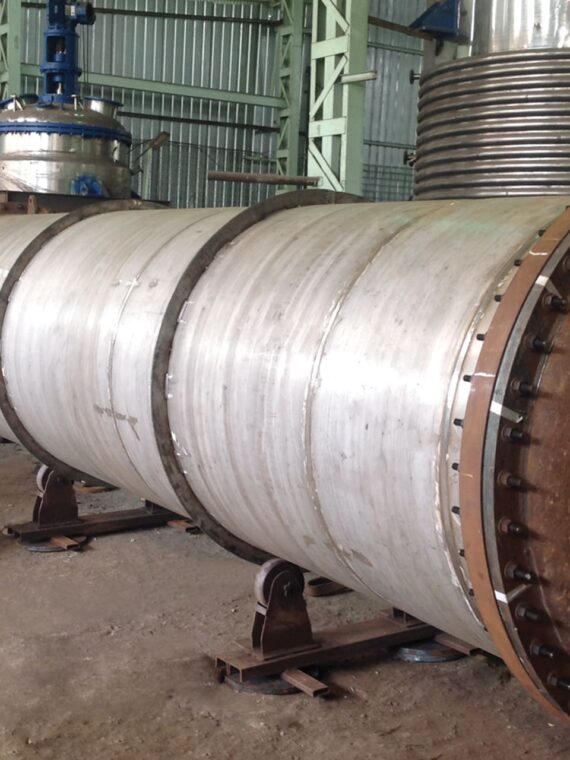
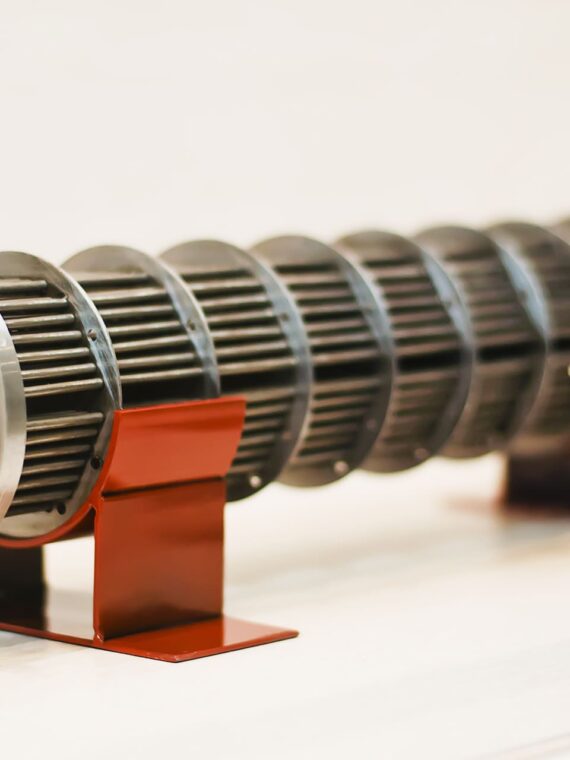
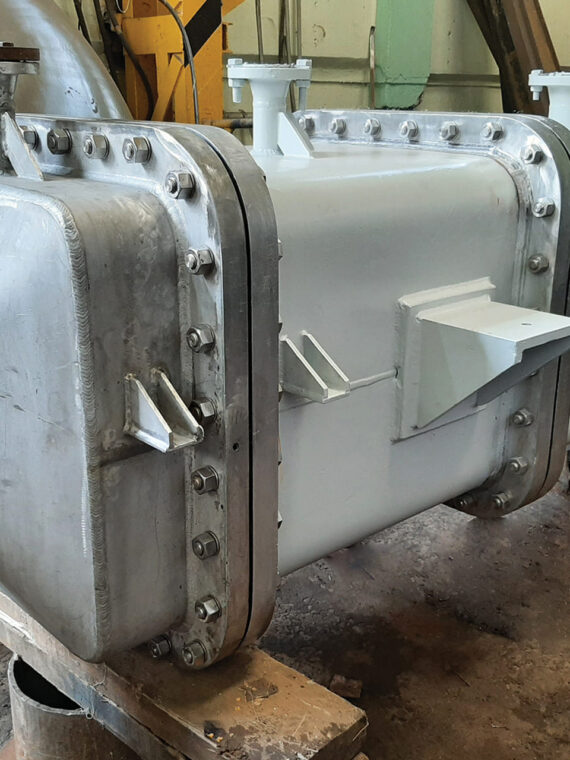
Heat exchangers are the workhorses of any chemical plant. Around 30% of the total thermal energy budget in a chemical processing facility is allocated towards heat exchanger infrastructure. The choice between shell-and-tube, plate-and-frame, and spiral heat exchanger configurations is often determined by the fluid properties and flow rates.
Equipment Comparison Guide
| Feature / Metric | Shell & Tube Heat Exchangers | Compact Plate & Frame Exchangers | Spiral Heat Exchangers |
|---|---|---|---|
| Best Used For | High-pressure vessel applications, extreme temperatures, and dirty fluids | Clean fluids, tight thermal approaches, and space-constrained installations | Slurries, viscous fluids, and high-fouling streams |
| Footprint Efficiency | Standard / Moderate | High — up to 70% smaller | Medium |
| Pressure Limit | Extremely High (>300 bar) | Moderate (<30 bar) | Medium (<25 bar) |
| Maintenance | Easy mechanical cleaning and bundle replacement | Gasket inspection and plate expansion | Self-cleaning single-channel flow |
Procurement Checklist for Heat Transfer Equipment
Avoid over-designing the heat exchanger surface area by more than 15–20% to avoid low fluid velocities leading to increased fouling.
Prioritize waste heat recovery (WHRU) option if the process stream has sufficient enthalpy to preheat another downstream process.
3. Distillation Columns: High-Purity Separation & Mass Transfer
Distillation columns are the primary separation devices in any chemical refinery, petrochemical complex, or solvent recovery facility. The distillation column flow sheet determines the separation efficiency and overall energy consumption of the process.

Tray vs Packing Distillation Column Configurations
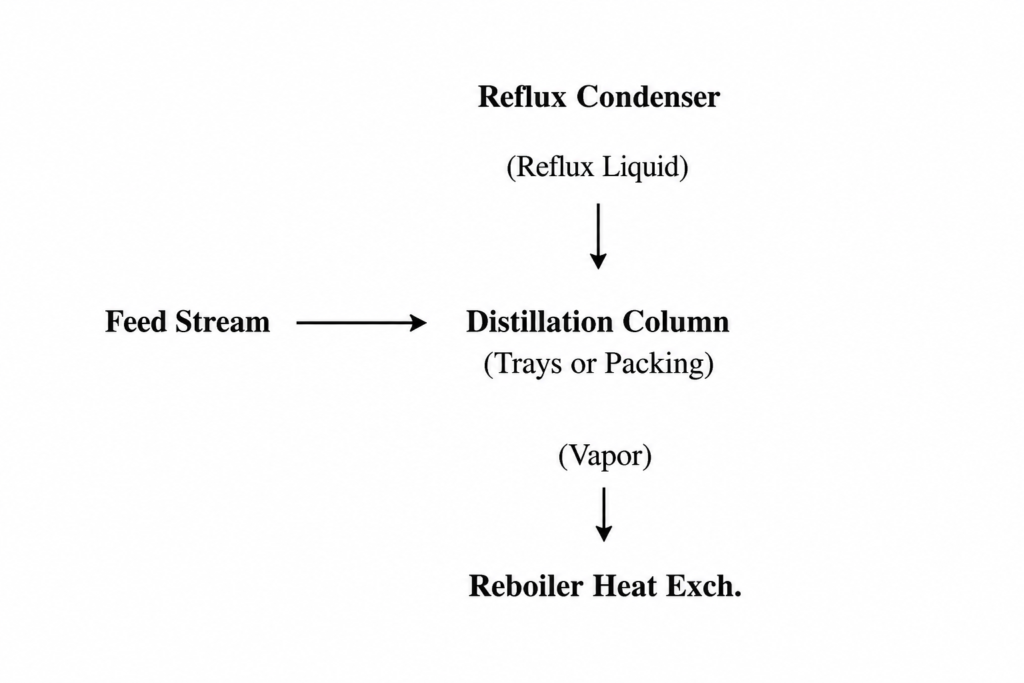
- Tray Type (Sieve, Bubble Cap, Valve): Choose tray distillation columns for high liquid capacity, high-pressure applications, or severely fouling services.
- Packing Type: Structured and random packing distillation columns are best suited for vacuum distillation or processing heat-sensitive materials due to reduced pressure drop per theoretical stage.
Critical Machinery Components
- Reboilers: Specify thermo-siphon reboilers for distillation columns and forced-circulation reboilers for challenging polymerization services.
- Internals: Ensure the machinery specifications include liquid distributors, mist eliminators, and wall-wipers as applicable for the selected distillation column type.
4. Quality Assurance & Engineering Design Standards
When sourcing chemical processing equipment from overseas suppliers, ensure technical proposals include specifications for below-listed quality assurance and engineering design requirements.
Pressure Equipment Standards:
- Ensure the offered pressure vessels comply with the applicable regional pressure equipment standards for the target country of installation. Common pressure equipment design codes include:
- ASME Section VIII Div 1 & 2 for countries in the Americas and Asia,
- CE / PED 2014/68/EU for equipment installed in Europe.
Material Traceability Requirements:
- The offered pressure equipment must come with Positive Material Identification (PMI) test results in accordance with EN10204 3.1 Mill Test Certificate (MTC).
- This ensures that the material composition of the delivered equipment matches the specified material grade in the technical specifications.
NDT Testing & Hydrostatic Pressure Testing:
The equipment must undergo Radiographic Testing (RT), Dye Penetration Inspection (DPI), and Hydrostatic Pressure Testing at 1.3–1.5x design pressure for code compliance.
Optimize the purchase of capital equipment by considering both mechanical and chemical aspects, as well as legal requirements. Make sure to analyze the equipment datasheet (provided by the supplier) and discuss it with engineers before placing the final purchase order.
FAQs
What should be considered when procuring chemical processing equipment?
Key considerations include process requirements, equipment capacity, operating pressure and temperature, material compatibility, corrosion resistance, energy efficiency, maintenance requirements, applicable design codes, and total cost of ownership.
How do you select the right chemical reactor?
Chemical reactor selection depends on reaction kinetics, production volume, operating conditions, heat-transfer requirements, mixing needs, batch or continuous processing, and the chemical compatibility of construction materials.
What are the main types of heat exchangers used in chemical plants?
Common types include shell-and-tube, plate-and-frame, and spiral heat exchangers. The appropriate design depends on pressure, temperature, fluid properties, fouling potential, required heat-transfer performance, and available installation space.
Which heat exchanger is best for high-pressure applications?
Shell-and-tube heat exchangers are commonly selected for high-pressure and high-temperature applications because of their robust mechanical construction and broad operating range. Final selection should be based on the project’s design conditions and applicable engineering standards.
What is the difference between tray and packed distillation columns?
Tray columns use trays such as sieve, valve, or bubble-cap trays to promote vapor-liquid contact. Packed columns use structured or random packing and generally provide lower pressure drop, making them particularly suitable for vacuum and heat-sensitive applications.
What materials are commonly used for chemical reactors?
Material selection depends on the chemicals involved, operating temperature and pressure, corrosion requirements, and mechanical loads. Common options include stainless steel, glass-lined steel, high-nickel alloys, and titanium for demanding chemical services.
Which standards should be considered when purchasing pressure equipment?
Applicable standards depend on the installation location and equipment classification. Common requirements include ASME Section VIII for pressure vessels and the European Pressure Equipment Directive (PED 2014/68/EU) for applicable equipment installed in the European Union.
Why is material traceability important for chemical processing equipment?
Material traceability verifies that the materials supplied match the grades specified in the engineering documentation. Documents such as EN 10204 3.1 material certificates and PMI records can help verify material composition and support quality assurance.
What quality tests should be included when purchasing pressure equipment?
Depending on the applicable design code and equipment specification, quality programs may include radiographic testing, dye penetrant testing, hydrostatic or pneumatic pressure testing, dimensional inspection, weld inspection, and material verification.
What documents should be reviewed before placing a chemical equipment purchase order?
Engineers should review the equipment datasheet, technical specification, approved drawings, material certificates, inspection and test plan, applicable design calculations, quality documentation, compliance certificates, and supplier’s commercial and technical proposal before finalizing the purchase order.