

Germany is one of the most powerful controllers of the world’s chemical environment. High-performance equipment and engineering excellence are a necessity for the country because of the high level of specialty chemicals and polymers, as well as pharmacology and coatings. The technological foundation of this ecosystem is one of the most critical ones: high-tech design of chemical reactors. The reactor systems deployed in the chemical plants throughout Germany are no longer mere vessels but complex, digitally engineered, and computerized systems designed to be as productive, safe, and sustainable as possible.
In a world that is characterized by innovation and efficiency, the role that modern chemical reactor manufacturers play in ensuring that Germany continues to enjoy a competitive advantage is critical. Reactor design development is also prompting changes that lead to increased yields, reduction in waste, and a steady operation in the chemical cluster in the country, such as Ludwigshafen, North Rhine-Westphalia, Frankfurt-Höchst, and Leuna.
Germany’s Chemical Industry: A Demand for Precision
The chemical industry of Germany is also among the largest in the world and makes a substantial contribution to the national GDP and export economy. Having globalized corporations and highly developed production centers, the sector requires the use of equipment that can withstand the complicated reactions, high temperatures, harsh chemicals, and prolonged working cycles.
To justify such high standards, progressive chemical reactors in Germany need to provide:
- Exact temperature and pressure regulation.
- High energy efficiency
- Long-term reliability
- Operation in harsh environments.
- Strict European standards, including ATEX and PED.
This renders reactor engineering a strategic focus area for all the large chemical manufacturers.
Precision Engineering: The DNA of German Reactor Design
The high technology of the chemical reactor manufacturer can be characterized by its engineering strategy. German systems are also engineered to detail and are dedicated to excellence. Some of the developments that are changing the power of reactors include:
Multi-stage and Multi-phase reactors
The contemporary chemical processes often consist of several stages of reactions and various phases, such as solid, liquid, and gas. Multi-stage reactor systems assist in increasing the conversion rates, increasing selectivity, and better controlling reaction kinetics.
Heat Transfer Mechanisms of high efficiency
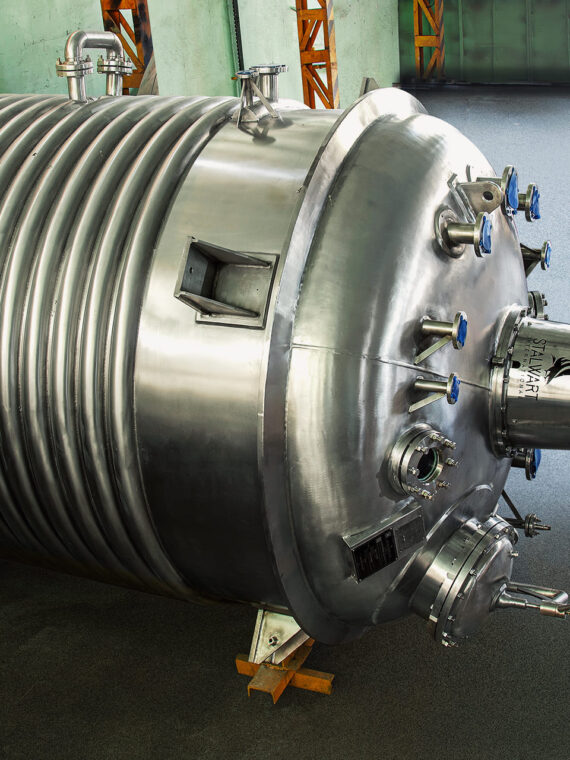
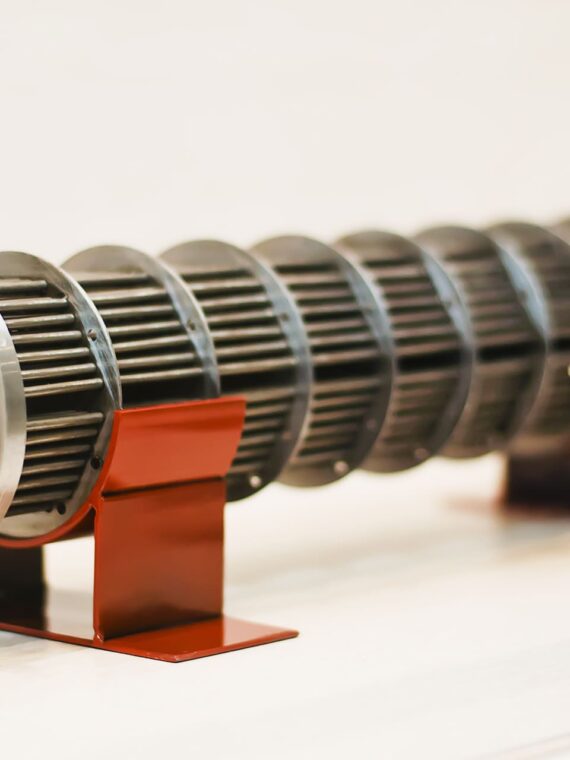
In chemical processing, heat is an important factor. The reactors in Germany also have optimized jackets, internal coils, and the best integration of the heat exchangers to maintain the best reaction temperatures, to avoid the hotspots, and to enhance the energy efficiency.
High-performance materials used
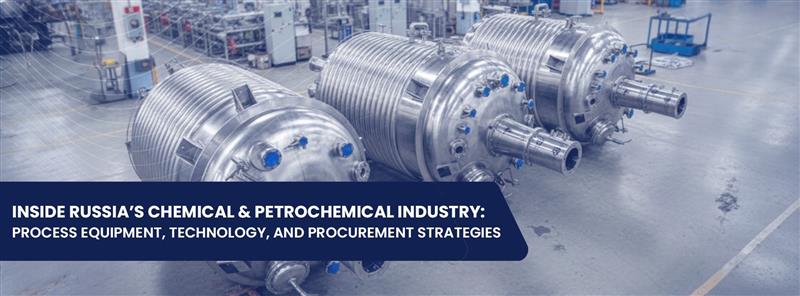
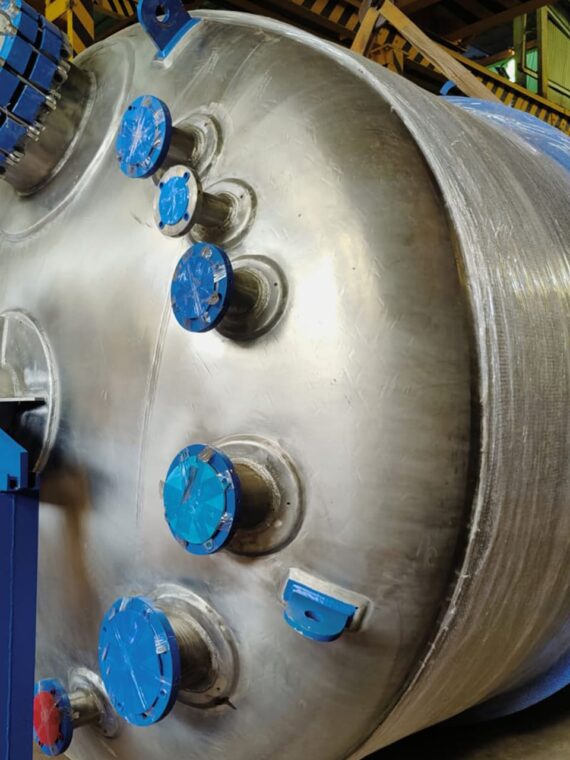
High-quality materials like the Hastelloy, Duplex Stainless Steel, Alloy Steel, and high-grade Carbon Steel are used to ensure that the reactors do not corrode and last longer. Critical materials are the materials used to handle aggressive chemicals and reactions under high pressure in a safe manner.
Simulation and Digital Twins
Germany is also a world pioneer in the implementation of chemical process engineering technologies like CFD simulations and the digital-twin technology. They enable engineers to simulate the dynamics of the flow, determine the performance of reactors, optimize mixing patterns, and minimize expensive experimentation.
Digitalization & Industry 4.0: Transforming Reactor Performance
The chemical plants of Germany are fast incorporating Industry 4.0 technologies to improve the performance of their reactors and the efficiency of the entire plant. Today’s sophisticated reactors are very often augmented with:
- IoT smart sensors
- Advanced Process Control Systems – APC
- Real-time monitoring dashboards
- Predictive maintenance algorithms
- AI-driven optimization.
These features enable operators to make key adjustments in real time, reduce downtime, and maintain product quality. The interdependence of such digital tools allows the reactors to learn on the basis of operating data and gives additional stability, security, and economy to the processes.
Sustainability: The New Standard of Reactor Design
Germany is also reputed to be highly concerned about the environment, and the design of the reactor is turning out to be a significant concern as far as sustainability is concerned. Manufacturers are rethinking reactor constructions and process design to reduce carbon emissions and make them greener.
- Low-Carbon and Energy-Saving Buildings: The effective mixing technologies, which save a great part of energy, will be used with the help of high-level insulation and optimization of heating systems.
- Reduction of Wastes and Emissions: Continuous reactors are becoming a popular trend because they can decrease wastes, decrease byproducts, and also enhance the conversion rates. Recycled solvents and catalysts combined with recycling systems increase sustainability.
- Green Chemistry Conformity: The reactor also needs to accept bio-based feeds, solvents that are environmentally friendly, and new catalytic technology. Design adaptability will also ensure that plants need not be renewed to adopt green practices so that they can be reconfigured.
Safety: A Non-Negotiable Priority
German suppliers have strict standards and certifications for all reactors, pressure vessels, and industrial process equipment. The designs are strictly based on ATEX, DIN/EN standards, PED, and other European standards. The features that are safety-oriented are:
- Instrumentation explosion-proof.
- Pressure relief valves that are automated.
- Fail-safe shutdown systems
- Varied Hazard reaction protection.
Safety-by-design guarantees a long working life as well as safeguards human resources and plant assets.
Customization for Diverse Chemical Sectors
The German chemical industry is diversified, and its requirements for reactors are as well. The manufacturers provide specialized equipment of the type:
- Reactors of pharmaceuticals are glass-lined.
- Hydrogenation reactors that are highly protected.
- Massive chemical production: CSTRs and PFRs.
- Polymer manufacturing loop reactor.
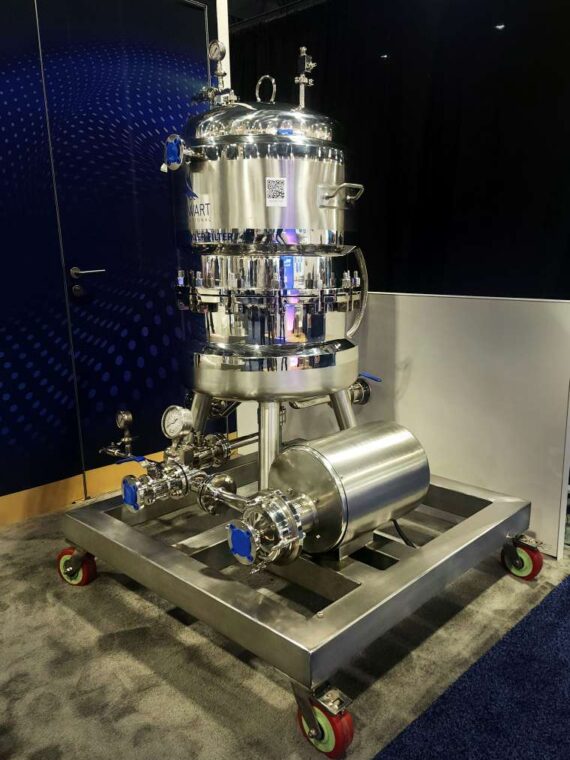
- Agitated Nutsche Filter Dryers (ANFDs) API.
Each of the designs is programmed to meet viscosity, reaction kinetics, fouling, batch size, and temperature sensitivity.
You May Also Like: Role of Chemical Reactors in Chemical Processing
Future Trends: The Next Wave of Reactor Innovation
In the future, Germany will be at the forefront of the next generation of reactor innovation by:
- Skid-mounted reactor systems and modular reactor systems.
- Small reactors to be used in the processing of precision.
- Renewable energy in electrified reactors.
- Reaction modeling based on AI.
- Automated quality-control databases.
Such developments will enable the German firms to reach greater efficiency, reduce emissions, and become more flexible.
FAQs
1. What role do advanced reactors play in Germany’s chemical industry?
Advanced reactors enable German chemical plants to achieve higher throughput, tighter quality control, and lower emissions. They optimise heat transfer, mixing efficiency, and reaction kinetics—making continuous production safer, more energy-efficient, and scalable across specialty chemicals, polymers, and intermediates.
2. Which reactor types are most commonly used in modern German chemical plants?
Germany primarily uses CSTRs (Continuous Stirred-Tank Reactors) and PFRs (Plug Flow Reactors) in continuous manufacturing. For high-value specialty chemicals, batch reactors and GMP-compliant reactors are also widely used because they allow precise control over reaction parameters.
3. What materials are preferred for reactors in Germany’s high-performance chemical sector?
Reactors in German plants commonly use stainless steel (SS316/316L), Hastelloy, Inconel, and glass-lined steel. The choice depends on corrosion resistance, temperature stability, and compatibility with acids, solvents, and catalysts used in advanced chemical processes.
4. How large are chemical reactors used in Germany’s specialty chemical production?
Reactor sizes vary from small 50–500 L GMP reactors used for fine chemicals, up to 10,000–50,000 L stainless-steel reactors used in high-volume polymerisation, hydrogenation, and oxidation processes. German plants favour modular, space-efficient layouts due to strict safety and environmental regulations.
5. What factors are most important when designing an advanced reactor for German industrial standards?
Key design factors include:
- Heat-transfer efficiency
- Mixing intensity and shear requirements
- Pressure and temperature ratings
- Corrosion-resistant construction materials
- Catalyst handling and regeneration
- Compliance with DIN, EN, and GMP regulatory standards
These elements ensure long equipment life and reliable, continuous operation.
6. How do modern reactor designs differ from traditional ones used in older chemical plants?
Modern reactors use automated control systems, smart sensors, CFD-based design optimisation, and continuous-flow technology. Unlike older batch-dominant systems, today’s designs minimise downtime, reduce waste, enable real-time quality monitoring, and support higher energy efficiency.