
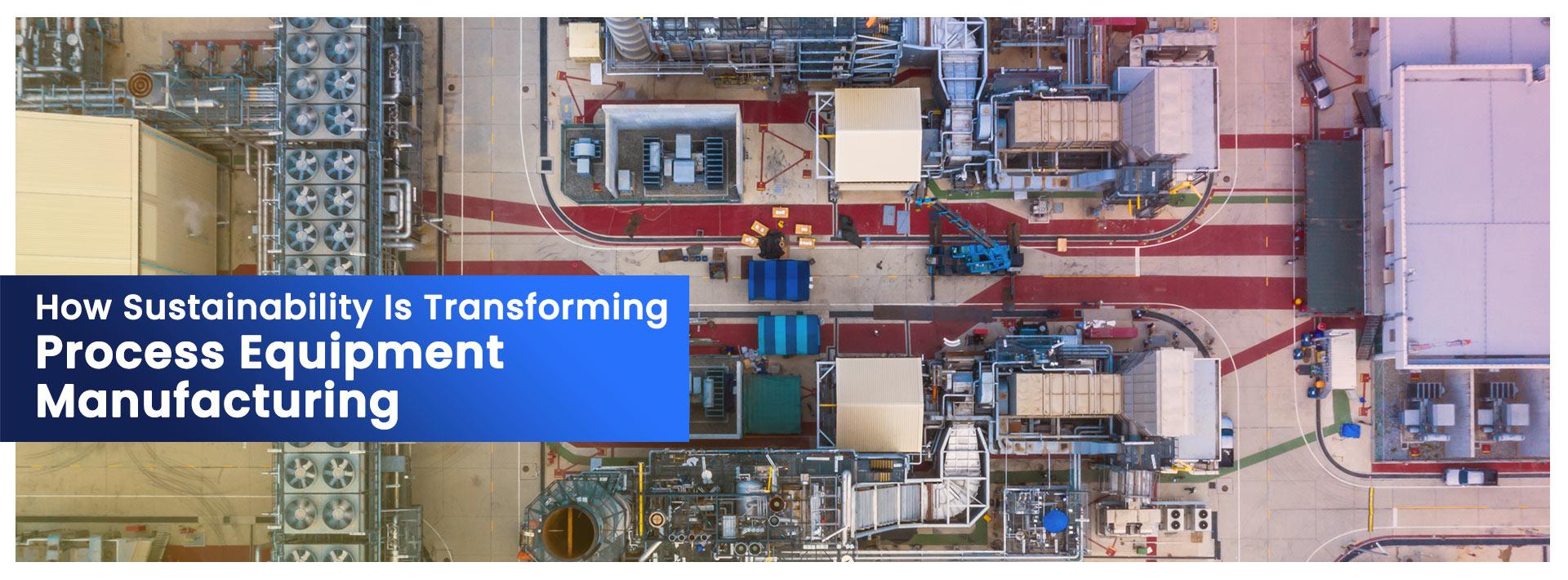
Today sustainability has become an important industrial innovation. It is no longer a buzzword. Around the world, manufacturers, plant operators, and engineering firms are fundamentally rethinking how industrial facilities are designed, built, and operated to be more environmentally friendly while remaining productive and profitable.
In the process industry, a new generation of equipment will focus on energy efficiency, resource optimization, and carbon reduction. The manufacturing of process equipment is now impacted by sustainability, be it heat exchangers or filtration plants, pressure vessels or reactors.
As stricter environmental regulations come into force and industries increasingly make net-zero commitments, the demand for sustainable process equipment is expected to rise considerably over this decade.
The Sustainability Imperative in Process Industries
The biggest user of energy and natural resources is the oil and gas, chemicals and petrochemicals, pharmaceuticals, mining, food processing and power generation industries, etc.
Traditionally, process plants have focused on maximizing capacity and operational efficiency. The objectives for sustainability are gaining equal importance today.
Companies are under increasing pressure to:
- Minimize greenhouse gas emissions.
- Enhance energy efficiency.
- Reduced water utilization.
- Reduce waste production.
- Utilize resources better.
- Compromise on the environment
These goals are bringing about significant changes in the design and manufacturing of equipment.
Energy Efficiency Is Becoming a Design Priority
It has become critical for process industry to be sustainable. Public and private sectors are pushing for a zero footprint and zero waste future.
One of the key elements that will significantly help achieve these goals is a pipe with flanges.
As a result, consumers must purchase it from a reputable supplier who not only offers quality but also supply it at an affordable rate.
How Stalwart Ensures Long-Term Durability in Process Equipment
Advanced Heat Exchanger Technology
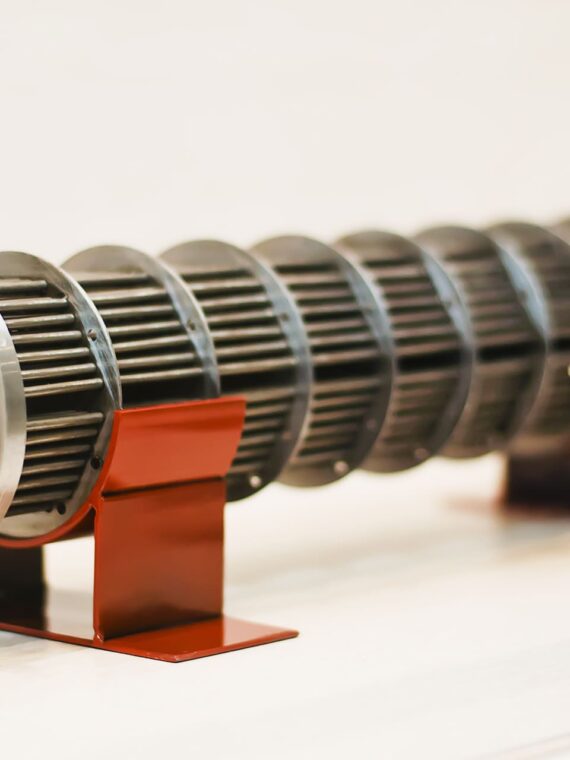
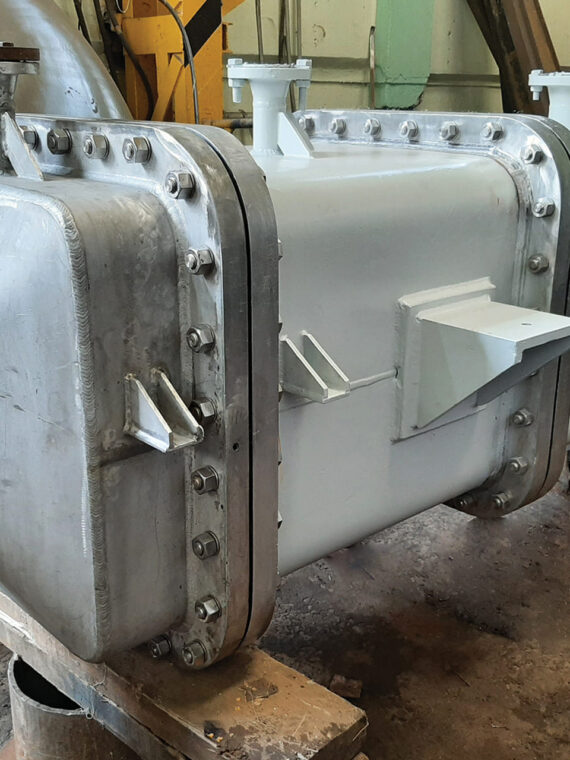
Heat exchangers have become one of the most important tools for improving industrial sustainability.
Nowadays heat exchanger designs put emphasis on:
- Greater thermal efficiency
- Reduced flow resistance.
- Improved heat recovery.
- Lowered costs of operations.
- Less energy used
Heat recycling reduces carbon footprints and fuel consumption through the energy and ecologically efficient plant operation.
As a result, heat exchangers have become very important for industries.
Process Optimization Through Smarter Equipment
Sustainability isn’t only about less energy use; it’s also about improved productivity with less resource consumption.
More and more modern process equipment is designed to improve operation optimization with better engineering. For instance,
Reactors of exceptional efficiency.
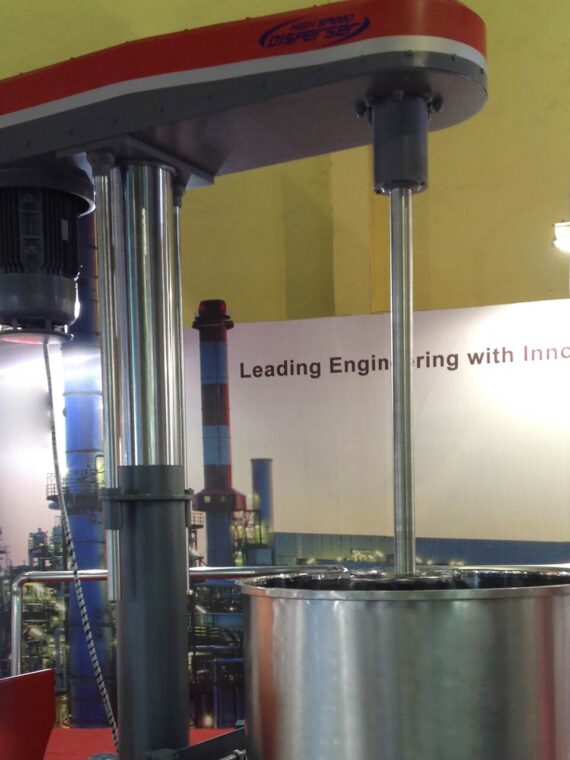
- Efficient mixer systems
- Intelligent Pumping Solutions
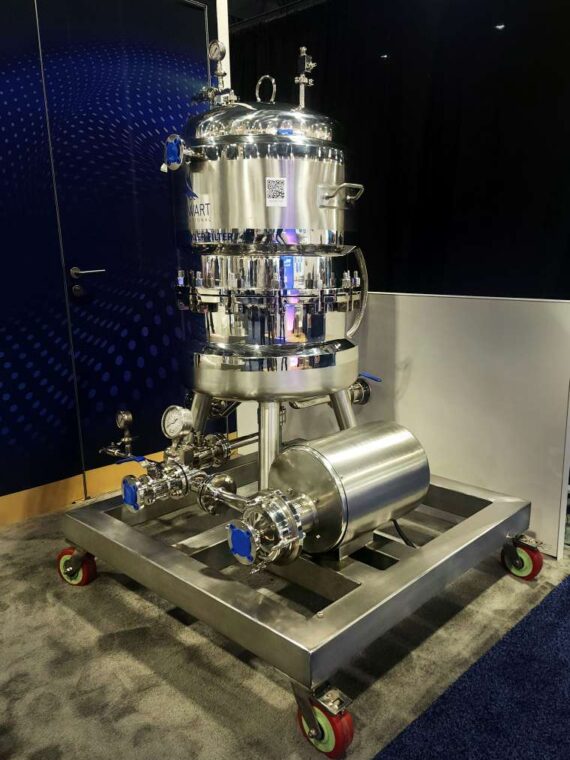
- Self-Operating Filters
- Smart Process Controls.
With the help of such engineering, higher production output by plants consumes lesser resources. In the long run, this will lower the operational costs and cut down environmental footprint.
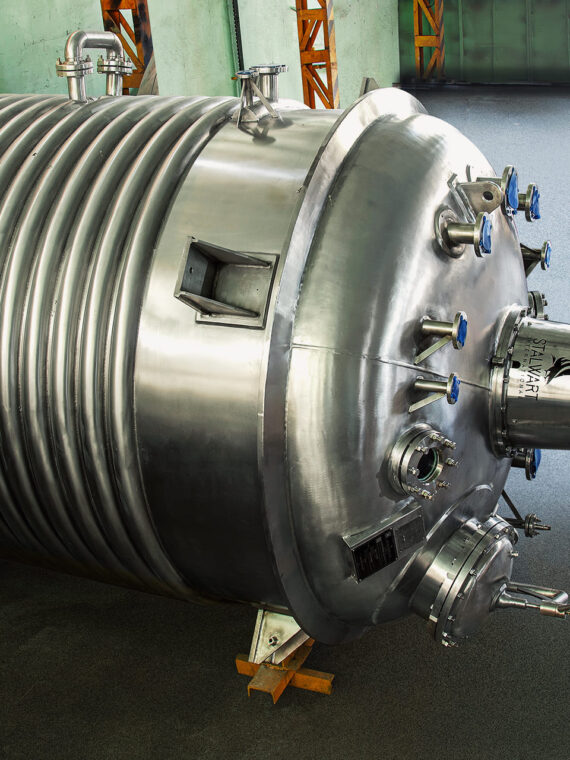
The Role of Pressure Vessels in Sustainable Operations
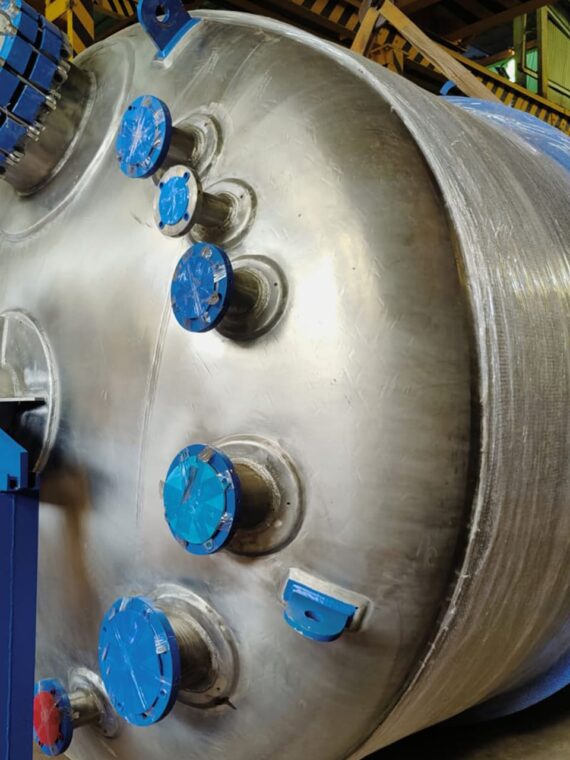
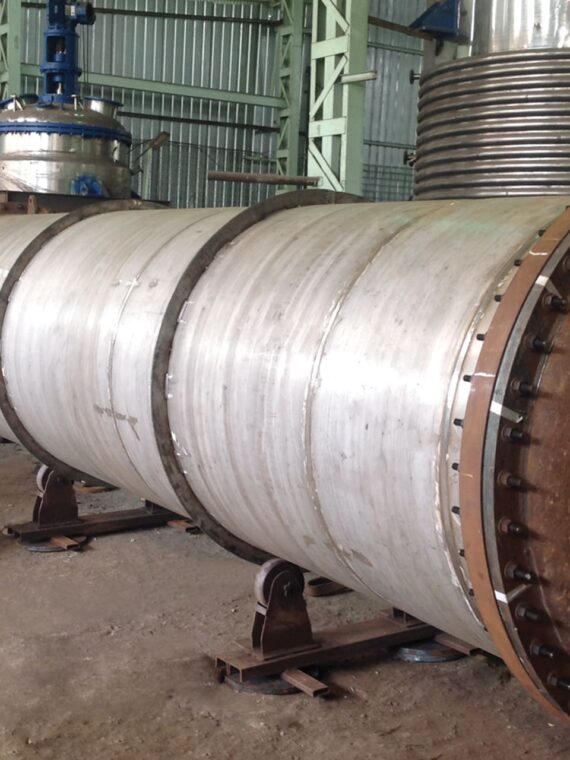
To be in line with sustainable industry requirements, even pressure Vessels are changing. Manufacturers are producing facilities that are.
- Operate at higher efficiencies
- Support hydrogen applications
- Enable carbon capture processes
- Reduce energy losses
- Improve process reliability
Advanced materials and improved fabrication techniques are extending equipment life cycles and reducing maintenance requirements. This contributes to sustainability by minimizing material consumption and reducing replacement frequency.
Top Trends in Process Equipment for the Petrochemical Industry
Sustainability in Chemical Manufacturing
The chemical industry is undergoing a significant transformation as companies seek to decarbonize production processes.
Traditionally, chemical manufacturing has been energy intensive and heavily reliant on fossil fuels. Today, many producers are investing in cleaner technologies and more efficient equipment.
Key trends include:
Green Chemistry
Manufacturers are adopting processes that reduce waste, improve resource efficiency, and minimize hazardous byproducts.
Energy-Efficient Reactors
Modern reactors are designed to improve heat transfer, reduce reaction times, and optimize energy usage.
Improved Separation Technologies
Advanced filtration, evaporation, and drying systems are helping reduce energy consumption while maintaining product quality.
These innovations are reshaping the equipment requirements of chemical processing facilities worldwide.
The Rise of Hydrogen and Low-Carbon Technologies
The global push toward decarbonization is creating entirely new opportunities for process equipment manufacturers.
Hydrogen production facilities, green ammonia plants, carbon capture systems, and renewable energy projects all require specialized industrial equipment.
This has increased demand for:
- Hydrogen-compatible pressure vessels
- Advanced reactors
- Heat exchangers
- Storage tanks
- Process skids
- Gas treatment systems
As hydrogen infrastructure expands globally, sustainable equipment design will become increasingly important.
Water Conservation Is Influencing Equipment Design
Water scarcity is becoming a major concern in many industrial regions, particularly in the Middle East.
As a result, process equipment manufacturers are developing solutions that reduce water consumption and improve water recovery.
Examples include:
- High-efficiency filtration systems
- Advanced membrane technologies
- Water recycling equipment
- Optimized cooling systems
These technologies help industries reduce freshwater usage while maintaining operational performance.
Sustainable Manufacturing of Process Equipment
Sustainability is not only influencing how equipment operates, but it is also changing how equipment is manufactured.
Leading manufacturers are investing in:
- Renewable energy for production facilities
- Material recycling programs
- Efficient fabrication processes
- Waste reduction initiatives
- Environmentally responsible supply chains
Customers increasingly prefer suppliers that demonstrate strong environmental practices throughout the manufacturing process.
This trend is encouraging greater sustainability across the entire industrial ecosystem.
Green Hydrogen Projects in the Middle East Driving Process Equipment Demand
Opportunities for Equipment Manufacturers
As industries transition toward cleaner operations, process equipment manufacturers have a unique opportunity to become enablers of sustainability.
Companies that invest in:
- Energy-efficient designs
- Advanced materials
- Smart technologies
- Sustainable manufacturing practices
- Hydrogen-ready equipment
Will be better positioned to serve future industrial markets.
Sustainability is no longer a niche consideration; it has become a key purchasing criterion for many industrial buyers.
Conclusion
Sustainability is changing the way we design, manufacture and operate process equipment. Changes to industrial equipment will help support a lower-carbon future – such as energy-efficient heat exchangers, advanced reactors, hydrogen-ready pressure vessels and intelligent process systems.
Industries’ de-carbonizing drives the demand for sustainable process equipment that is resource efficient and eco-friendly. For manufacturers, the switch is not simply a challenge but an opportunity to innovate, differentiate and help determine the future of industrial production.
The following generation of process devices will be more robust, more efficient or anything. It will be more intelligent, efficient and designed to help create and to sustain greener industries.
FAQs
Why is sustainability important in process equipment manufacturing?
Sustainability helps industries reduce energy consumption, lower carbon emissions, conserve resources, and comply with environmental regulations. It also improves operational efficiency and long-term profitability.
How do heat exchangers contribute to sustainable industrial operations?
Modern heat exchangers improve thermal efficiency, recover waste heat, reduce fuel consumption, and lower operating costs. These benefits help industries minimize their environmental impact while enhancing productivity.
What role do pressure vessels play in sustainable process industries?
Advanced pressure vessels support energy-efficient operations, hydrogen applications, carbon capture systems, and improved process reliability. Their longer service life also reduces material waste and maintenance requirements.
How is the chemical industry becoming more sustainable?
Chemical manufacturers are adopting green chemistry practices, energy-efficient reactors, and advanced separation technologies to reduce waste, optimize resource use, and lower energy consumption.
What is the impact of hydrogen technology on process equipment manufacturing?
The growth of hydrogen infrastructure has increased demand for hydrogen-compatible pressure vessels, reactors, storage tanks, heat exchangers, and gas treatment systems designed for safe and efficient operation.
How does water conservation influence process equipment design?
Manufacturers are developing high-efficiency filtration systems, membrane technologies, water recycling equipment, and optimized cooling systems to reduce freshwater consumption and improve water recovery.
What are the key features of sustainable process equipment?
Sustainable process equipment typically offers:
- Higher energy efficiency
- Reduced emissions
- Improved resource utilization
- Smart automation and monitoring
- Longer equipment lifespan
- Lower maintenance requirements
How are manufacturers making the equipment production process more sustainable?
Many manufacturers are investing in renewable energy, recycling programs, waste reduction initiatives, efficient fabrication techniques, and environmentally responsible supply chains to reduce their overall environmental footprint.
What industries benefit most from sustainable process equipment?
Industries such as oil and gas, chemicals, petrochemicals, pharmaceuticals, food processing, mining, power generation, and water treatment benefit significantly from sustainable process equipment solutions.
What is the future of sustainable process equipment manufacturing?
The future focuses on smart, energy-efficient, and low-carbon equipment that supports hydrogen production, carbon capture, renewable energy projects, and resource optimization while helping industries achieve net-zero goals.