
Selection of the proper heat exchanger is important for any plant. The chemicals industry, pharmaceuticals, food industry, and energy industry require an effective way of managing temperature in order to ensure the quality of the products and reliability of work. The selection of inappropriate heat exchanger can cause problems with maintenance and performance.
The choice of the right heat exchanger guarantees high efficiency of heat recovery, energy saving, and reliable operations. Selection of the right heat exchanger involves assessing operating conditions, maintenance requirements, and performance. This article will help you make an appropriate choice of heat exchanger for your plant.
Purpose of Heat Exchangers and How They Work
These types of heat exchangers allow the exchange of heat between two different fluids without having them mixed up. Heat exchangers play an important role in the heating, cooling, condensation, and evaporation of fluids in a certain industrial process.
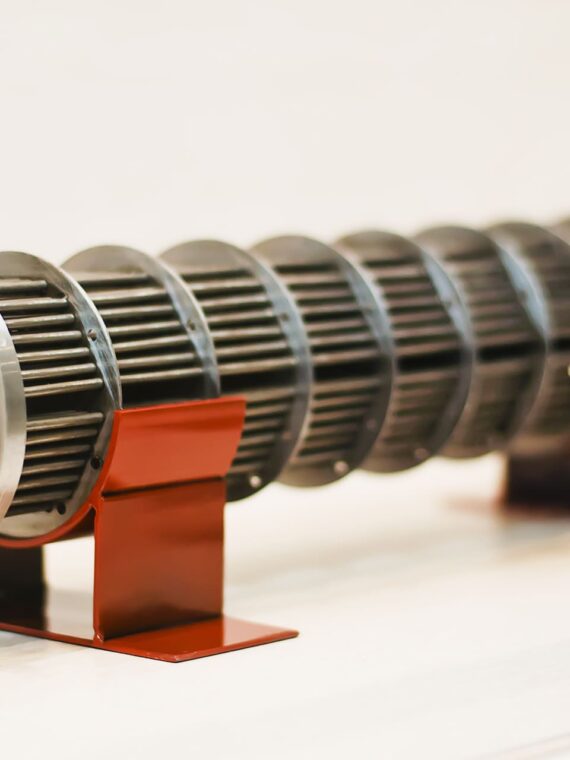
Generally, one type of fluid will flow in the tubes or plates whereas the other flows outside them. This way, heat can pass through the separating surface, which is a very efficient process.
Today’s heat exchanger companies manufacture heat exchangers according to the needs of various industries, giving their customers all kinds of support such as technical assistance and maintenance services.
Key Factors That Influence Heat Exchanger Selection
Selection of the correct heat exchanger depends on careful assessment of process parameters. Every industrial site works under unique conditions, and wrong selection results in poor performance and early breakdown of equipment.
The kind of fluid is important since its characteristics such as viscosity and corrosivity influence material specifications. Fluids that are very corrosive need materials like stainless steel and special alloys, while mild fluids need ordinary materials like carbon steel.
High temperatures and pressures are equally significant when selecting materials for the construction of the heat exchanger. This is due to the fact that higher temperatures and pressures need materials that are durable. The market is strictly regulated in places like Germany.
Maintenance is equally vital since equipment whose maintenance is easy leads to fewer downtimes.
Comparison of Common Heat Exchanger Types
Knowledge of various types of heat exchangers assists manufactures in choosing the appropriate type for their manufacturing processes.
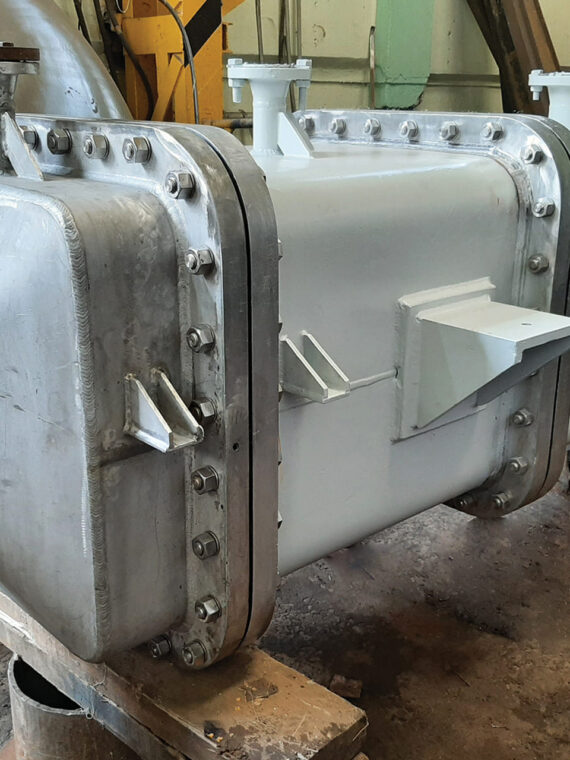
The plate heat exchanger takes up minimum space but at the same time is very efficient. These devices are commonly employed in food processing, heating, ventilation, and air conditioning (HVAC), and water treatment applications.
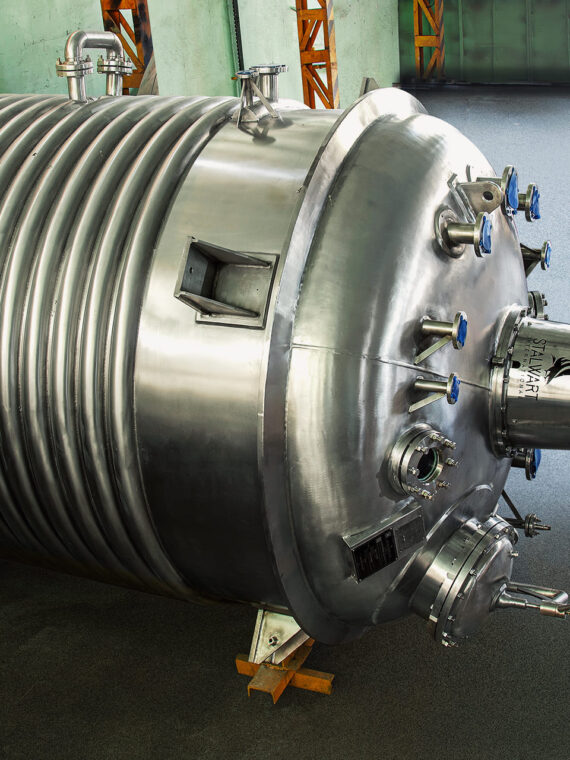
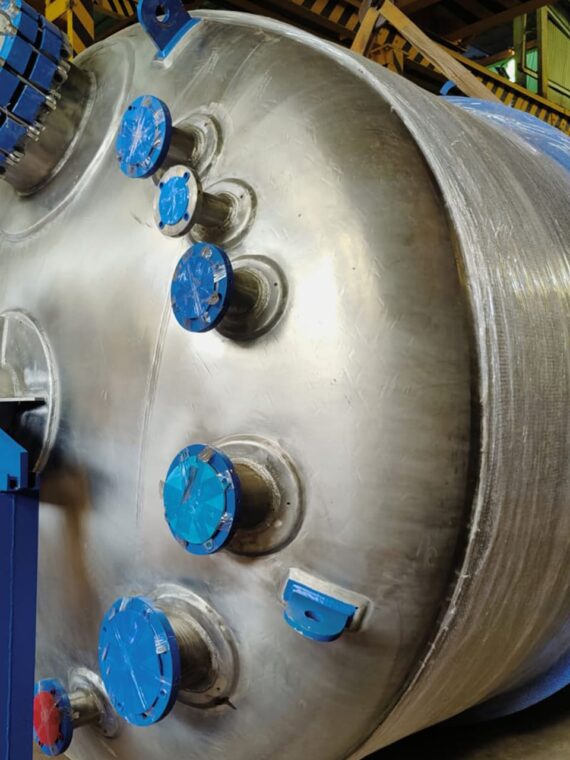
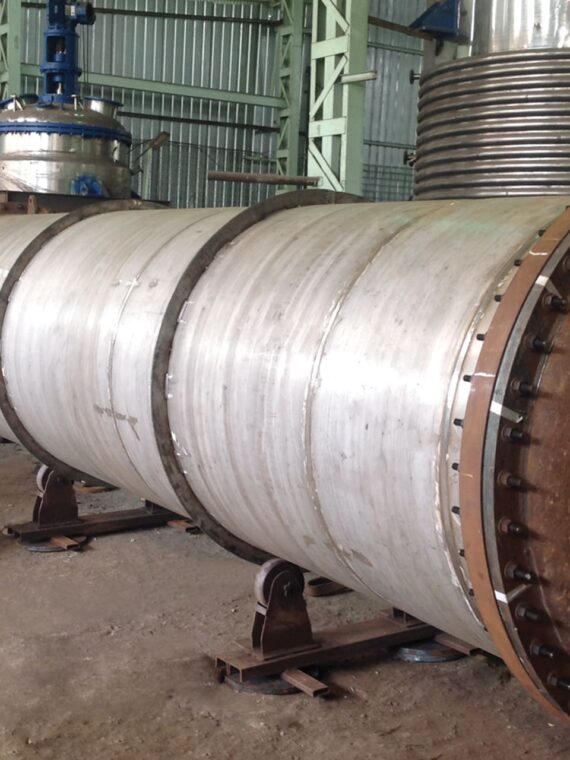
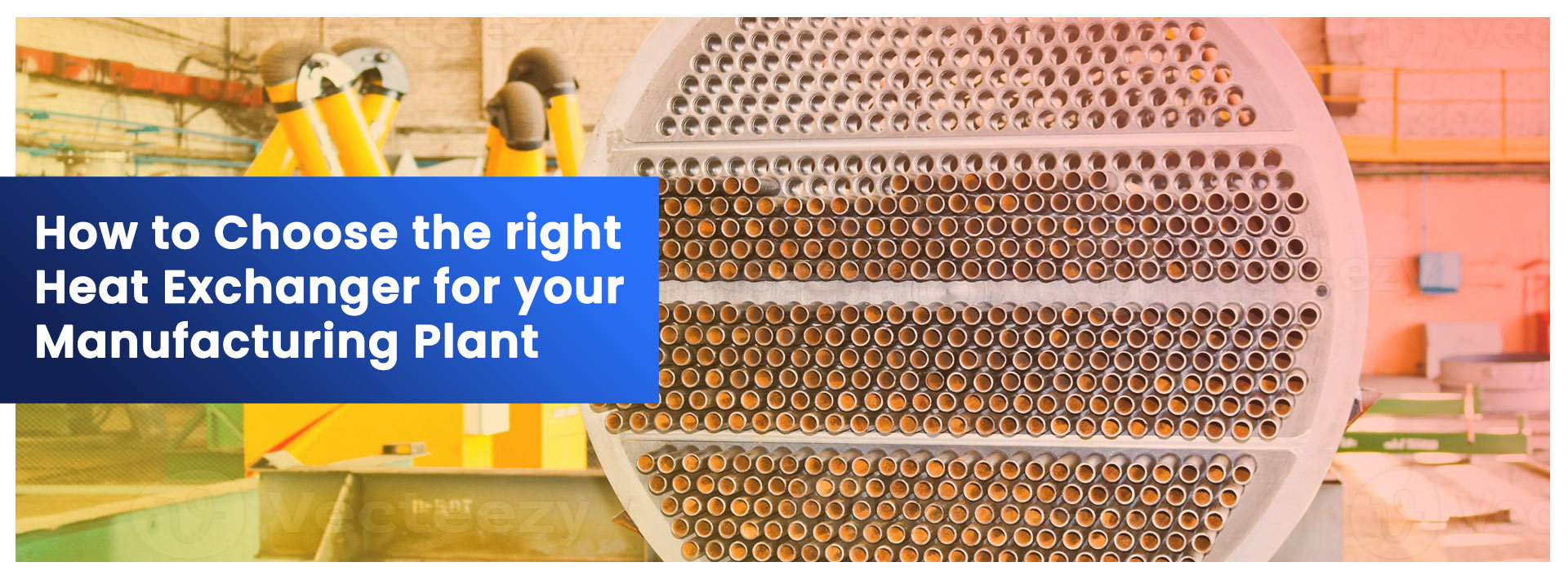
The shell and tube heat exchanger is considered to be one of the most durable and versatile types of heat exchangers used in industry. It features durability and efficiency, which make it perfect for application in chemical processes, power plants, and oil refineries. The drawback of such a device is a large installation volume required.
An air-cooled heat exchanger is characterized by using ambient air instead of cooling water, which makes the device particularly applicable when the use of water becomes complicated or expensive. Such heat exchangers have become a popular alternative to traditional types because of less water use and easy installation.
Installation, Service, and Maintenance Considerations
The heat exchanger size calculation is essential for sizing of an appropriate heat exchanger needed for thermal load. Correctly sized heat exchangers do not have energy losses and ensure reliable functioning. Designers perform calculations using parameters such as flow rate, temperature difference, and physical properties of fluids using sophisticated simulators.
Sizing plays a vital role in cases when temperature affects the quality of the product, because oversized heat exchangers consume more energy, whereas undersized ones do not meet process demands.
Checklist for German Industrial Buyers
The German industries adhere to high levels of safety and engineering standards during the procurement of industrial machinery. Firstly, they ensure that the machinery purchased meets the European safety guidelines and certifications. This is done to guarantee safe use. The suppliers’ engineering competence, documentation, and post-sale service are also assessed. Operating costs of the machinery are also taken into account during procurement.
Conclusion
Selection of the most appropriate heat exchanger for a production facility can be seen as one of the important decisions that will define its future efficiency, reliability, and even expenses. Knowing how certain equipment functions, analyzing processes, and assessing various options will allow you to make the proper choice.
The selection of the proper heat exchanger ensures higher energy efficiency, stabilization of processes, and overall success. Following certain procedures and cooperating with reputable suppliers will help you select the appropriate equipment that will satisfy your demands.
Nowadays, choosing the right heat exchanger is one of the main prerequisites to efficient manufacturing.
FAQs
What is a heat exchanger and how does it work?
A heat exchanger is industrial equipment used to transfer heat between two fluids without mixing them. One fluid flows through tubes or plates while the other flows around them. Heat transfers through a separating surface, making the process efficient for heating, cooling, condensation, and evaporation applications.
How do you choose the right heat exchanger for a manufacturing plant?
To choose the right heat exchanger, manufacturers must evaluate fluid type, operating temperature, pressure, flow rate, maintenance requirements, and available installation space. Proper selection improves energy efficiency, reduces downtime, and ensures reliable industrial performance.
Why is heat exchanger sizing important?
Industrial heat exchanger sizing is important because an incorrectly sized unit can reduce efficiency and increase operating costs. Oversized heat exchangers waste energy, while undersized systems fail to meet process demands. Accurate sizing ensures stable thermal performance and lower maintenance costs.
What are the main types of heat exchangers used in industry?
The most common industrial heat exchangers are plate heat exchangers, shell and tube heat exchangers, and air-cooled heat exchangers. Plate heat exchangers are compact and efficient, shell and tube models are durable for heavy industries, and air-cooled units reduce water usage.
Which industries use heat exchangers?
Heat exchangers are widely used in chemical processing, pharmaceuticals, food manufacturing, HVAC systems, oil refineries, power plants, and energy industries. They help maintain temperature control, improve energy recovery, and support safe industrial operations.
What factors affect heat exchanger performance?
Heat exchanger performance depends on fluid properties, temperature, pressure, material selection, flow rate, and maintenance practices. Corrosive fluids may require stainless steel or special alloys, while high-pressure systems need stronger construction materials.
What is the advantage of a plate heat exchanger?
A plate heat exchanger offers high thermal efficiency and compact design. It requires less installation space and is commonly used in food processing, HVAC, and water treatment applications where efficient heat transfer is important.
Why are shell and tube heat exchangers popular?
Shell and tube heat exchangers are popular because they are durable, versatile, and suitable for high-pressure industrial applications. They are widely used in power plants, chemical industries, and oil refineries due to their reliable long-term performance.
What should German industrial buyers consider before purchasing a heat exchanger?
German industrial buyers should verify European safety certifications, engineering standards, material quality, supplier expertise, maintenance support, and operating costs. Compliance with industrial regulations is essential for safe and efficient equipment operation.
How can the right heat exchanger improve energy efficiency?
The right heat exchanger improves energy efficiency by maximizing heat recovery and minimizing energy loss. Efficient systems reduce operational costs, stabilize industrial processes, and support sustainable manufacturing practices.