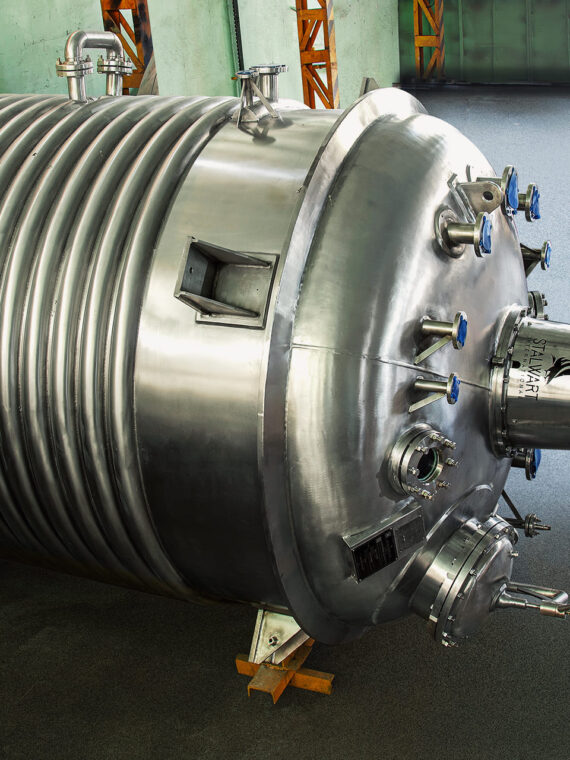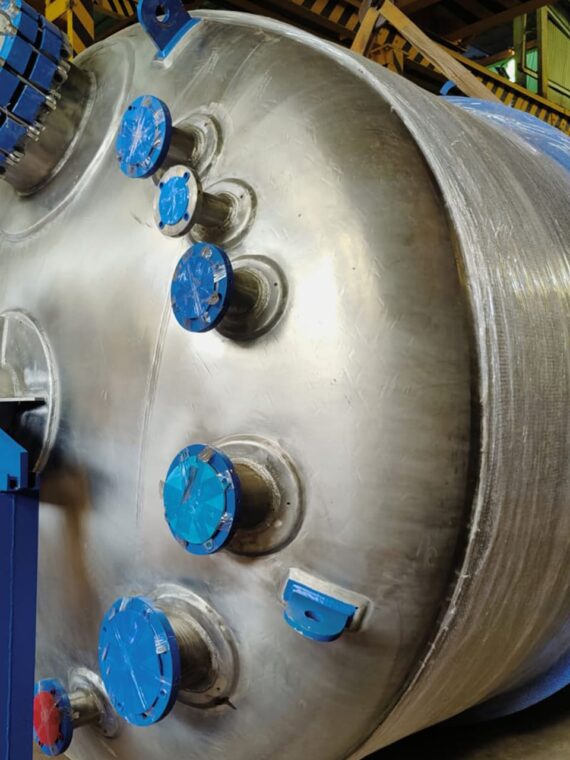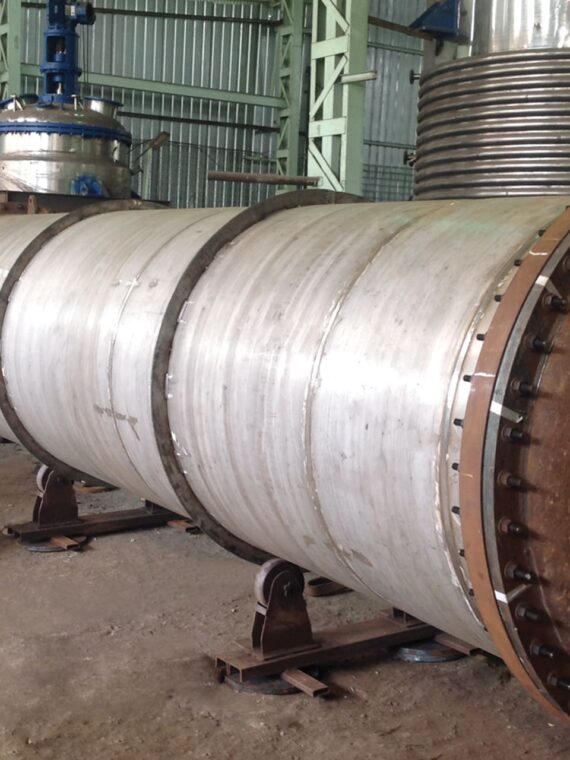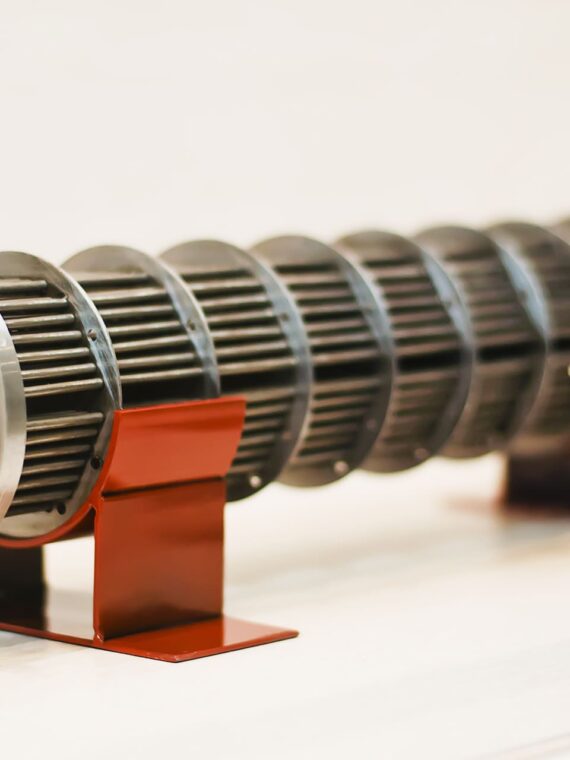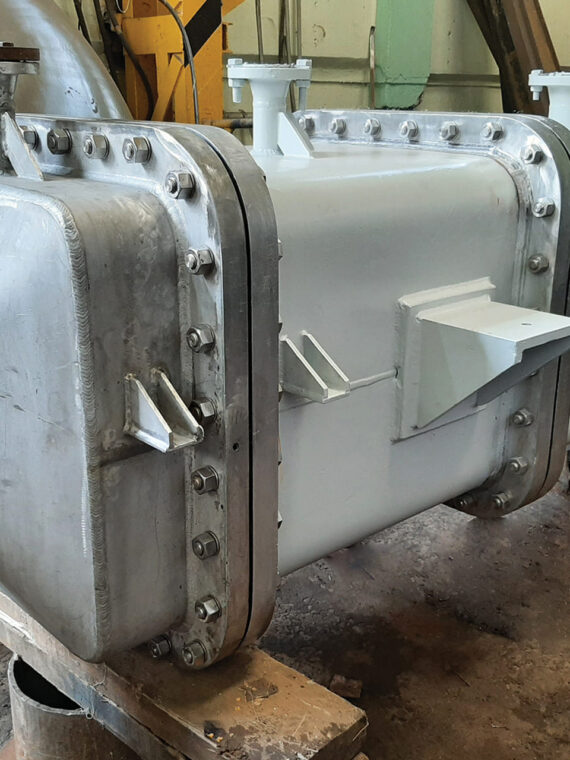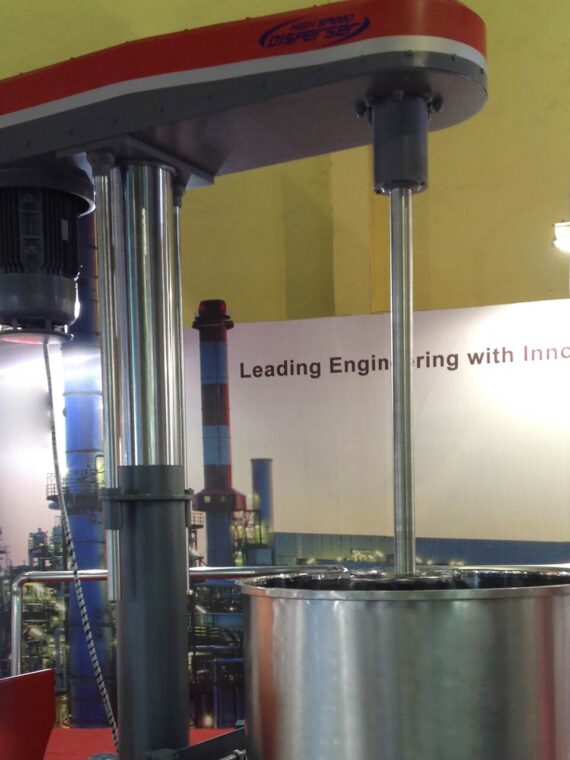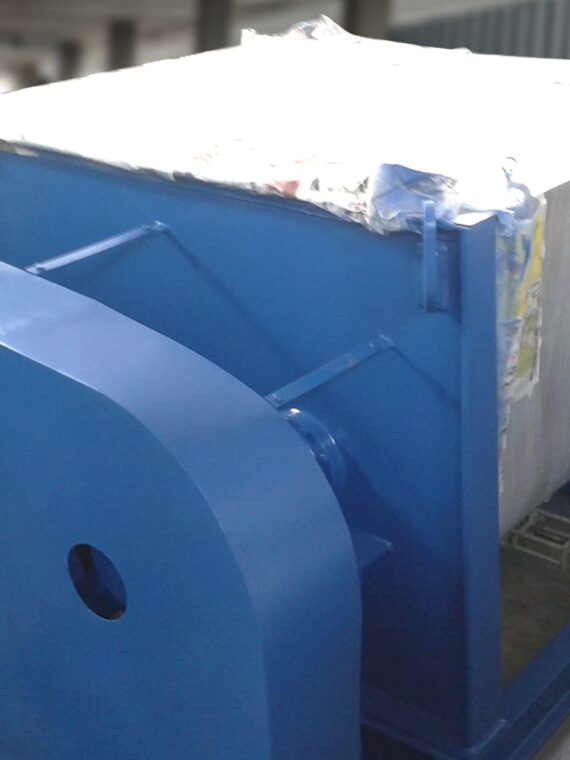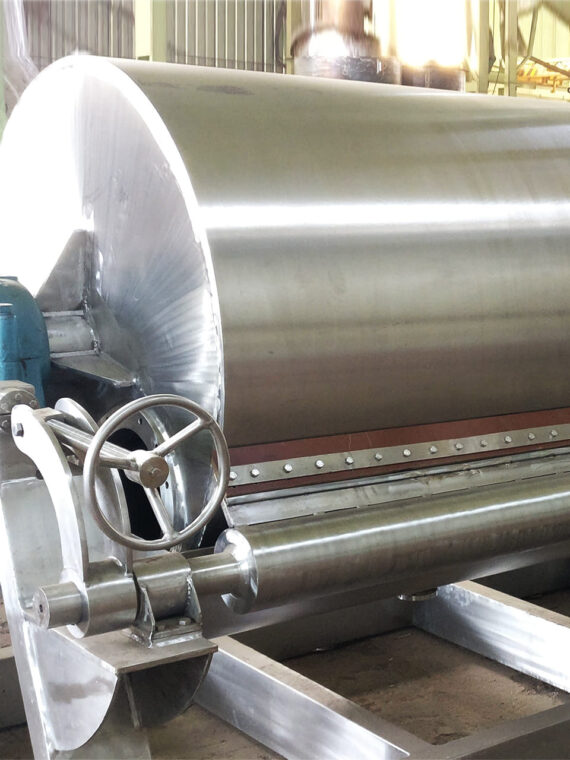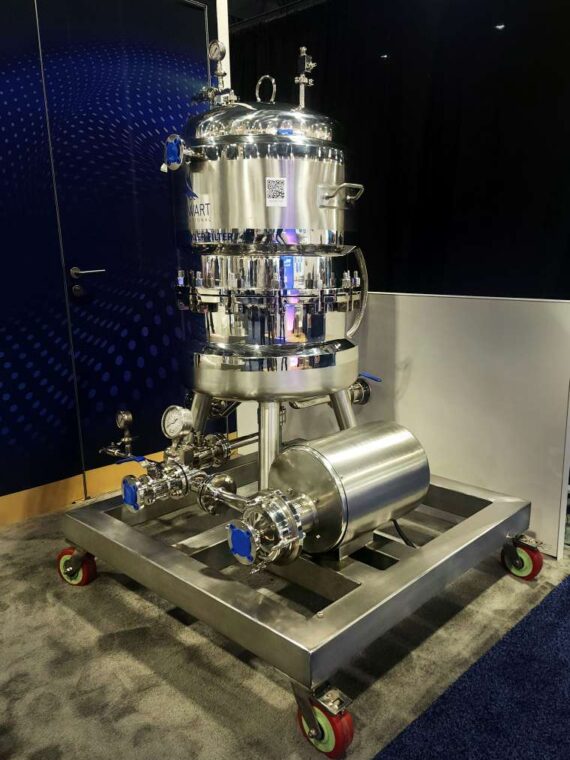

India has been emerging as one of the most trusted suppliers of chemical process equipment worldwide, including reactors, heat exchangers, pressure vessels, and storage tanks. Indian manufacturers are gradually exporting to European Union (EU) countries such as Germany, the Netherlands, France, and Italy due to high engineering skills, low costs, and adherence to international standards.
Exportation of process equipment to the EU, however, is not only about the quality of the goods but also about compliance with regulations. Indian manufacturers need to become familiar with EU requirements, certification, and documentation requirements to enter this high-value market.
This manual will help export chemical reactors and heat exchangers from India while meeting EU standards.
Why the EU Market Matters for Indian Manufacturers
The EU chemical and pharmaceutical industries are among the largest in the world, requiring high-efficiency process equipment that meets safety certification standards. As a result of increased sustainability, automation, and accuracy, EU buyers are also relying on multiple manufacturers in India whom they trust to offer customized solutions at affordable prices. The growing chemical reactor export from India segment has strengthened its reputation for reliability and adherence to international codes.
The significant aspects that appeal to the EU purchasers in Indian exporters:
- High fabrication, including SS304 and SS316, Hastelloy, and exotic alloys.
- Coded welding is also in compliance with ASME.
- Self-design and testing of NDT abilities, hydro tests, and third-party examination.
- Effective after-sales and documentation services.
EU Compliance Requirements: What Exporters Must Know
Indian process equipment manufacturers are required to comply with specific European Union directives and standards pertaining to safety, environmental protection, and performance prior to exportation to the EU. For any heat exchanger exporter in India, following these directives ensures smooth acceptance in European markets.
1. Pressure Equipment Directive (PED 2014/68/EU)
PED use is mandatory for reactors, heat exchangers, autoclaves, and pressure vessels.
It also ensures that all pressure-bearing elements are developed, produced, and tested to the highest safety standards.
Key steps for PED compliance:
- EN 13445 (Unfired Pressure Vessels). Design and fabrication.
- CE marking on the equipment.
- In the EU, conformity assessment is made by a Notified Body (NoBo).
- Traceability and documentation of material and qualification of weld (WPS/PQR/WPQR).
2. Machinery Directive (2006/42/EC)
Where a mechanical/automation element is incorporated into the equipment (e.g., agitators or mixing units in reactors), then it has to be justified in respect of operational safety by the Machinery Directive.
3. ATEX Directive (2014/34/EU)
If equipment is used in a hazardous or explosive environment, the ATEX Directive applies. Exporters are expected to categorize areas appropriately and ensure that electrical and mechanical parts are explosion-proof.
4. Standards of Material and Welding.
EU consumers demand production according to:
- EN 10204 of certificates of material (3.1 or 3.2).
- EN ISO 15614-1 of welding procedure qualification.
- EN ISO 9606-1 to qualify the welders.
Material traceability, inspection reports, and test certificates must be well-documented to support export clearance and acceptance. This is particularly important for chemical plant equipment export to Europe, ensuring every step meets EU traceability norms.
Documentation and Certification Checklist
The following documents are to be prepared by the Indian manufacturers to make the export to the EU countries easy:
- CE Declaration of Conformity.
- PED Certificate by the Notified Body.
- Certificates of Material Tests (MTCs).
- Design Calculations and GA Drawings.
- Record of Welding Procedure Qualification (WPQR)
- Inspections and Test Reports (ITR)
- Shipping Documentation and Packing List.
Having a clear record helps build confidence among buyers and facilitates customs and quality inspections in Europe.
Export Process: Step-by-Step
Export Procedure: Step by Step
- Target Country: Investigate countries with demand for products, such as Germany, the Netherlands, and Belgium.
- Obtain Compliance Necessary: Contact an EU-notified body for PED and CE permission.
- Technical File: All drawings, calculations, materials certificates, compliance certificates, etc., to be compiled.
- Inspection and Tests: Hydro, pneumatic, and NDT tests performed before delivery.
- Shipment and Packaging: Pack the article for export in seaworthy packages, and fumigate certificates, as well as ensure the observation of the EU marking requirements for importation of goods into the EC.
- After-Sales Dealing: Aid in installations, manuals, and performance certificates.
Common Challenges and How to Overcome Them
Understanding the technical language of the EU
Standards in the European standards differ from the ASME Codes. Therefore, cooperation with a compliance consultant who understands EN standards will facilitate this transfer.
Costs of Certification
The costs for obtaining PED or CE certification will be high in the beginning. But these expenditures will create long-term credibility and give access to several European clients.
Customs and Logistics
Ensure that you have the correct HS codes, Certificates of Origin, and correct shipping documentation to avoid delays in shipping.
Why Pick Manufacturing in India for Process Equipment?
The chemical and process equipment industry in India has matured, with state-of-the-art manufacturing facilities, global agency certifications, and strong engineering talent. Companies like Stalwart International, Chemsept, etc., have built a strong nationwide reputation in Europe and Asia for supplying turnkey, statutory, and compliant equipment.
Highlighted here are some strengths of Indian manufacturers:
- Competitive pricing due to optimised costs of manufacturing
- Group of technically skilled people
- Custom engineering flexibility and fast T&M
- Proven export experience in countries such as the EU. Middle East, Africa, etc.
You May Also Like: The Role of Industrial Process Equipment in Productivity
Conclusion
The exporting of reactors and heat exchangers from India to the EU is an excellent opportunity for growth, but it needs compliance with EU standards and certifications. With investment in PED, CE, and EN compliance, Indian manufacturers will gain credibility, wider market access, and long-term partnerships with Europe’s thriving process industry.
FAQs
1. What certifications are required to export chemical reactors and heat exchangers from India to the EU?
Exporters must ensure compliance with CE marking, Pressure Equipment Directive (PED 2014/68/EU), and REACH regulations. For chemical process equipment, a Material Test Certificate (EN 10204-3.1) and Quality Management Certification (ISO 9001) are also mandatory to meet EU import standards.
2. Do I need an export license to ship chemical process equipment to Europe?
Yes. Exporters of chemical reactors, pressure vessels, or heat exchangers may need a DGFT-issued SCOMET license if the product falls under dual-use or controlled technology. Otherwise, a valid IEC code and RCMC (Registration-Cum-Membership Certificate) are required for general exports.
3. How can Indian manufacturers ensure EU customs compliance for heat exchangers?
Manufacturers must provide complete technical documentation, safety data, and traceability of materials. Products must align with EU customs classification (TARIC code) and comply with EU import duty and VAT rules. Non-compliant goods can face entry rejection or penalties.
4. What are the main challenges Indian exporters face when exporting chemical equipment to Europe?
The main challenges include:
- Complex EU regulatory requirements (PED, REACH, CE)
- Strict documentation and testing standards
- High shipping and insurance costs
- Need for local representation or authorized EU importer
Addressing these early helps ensure smooth customs clearance and stronger EU market entry.