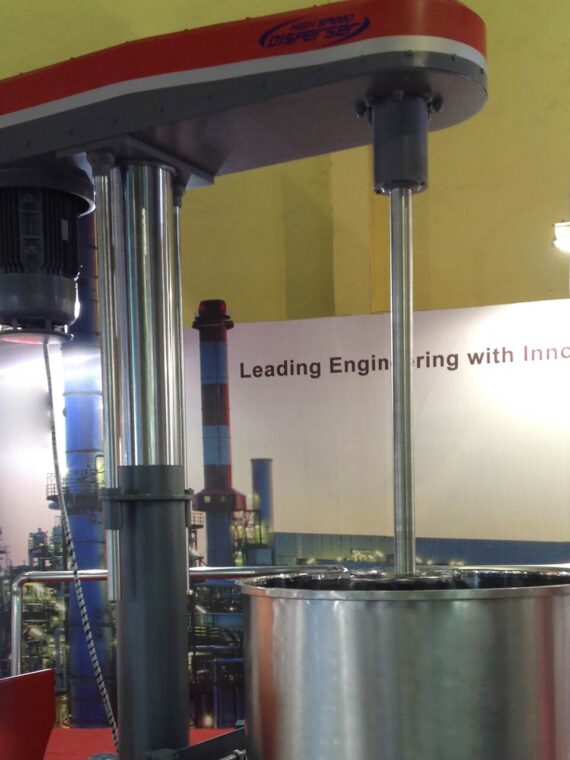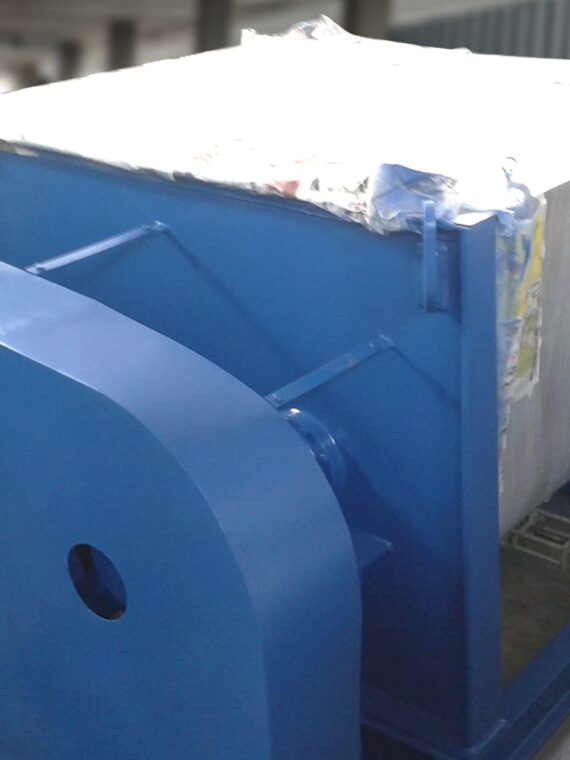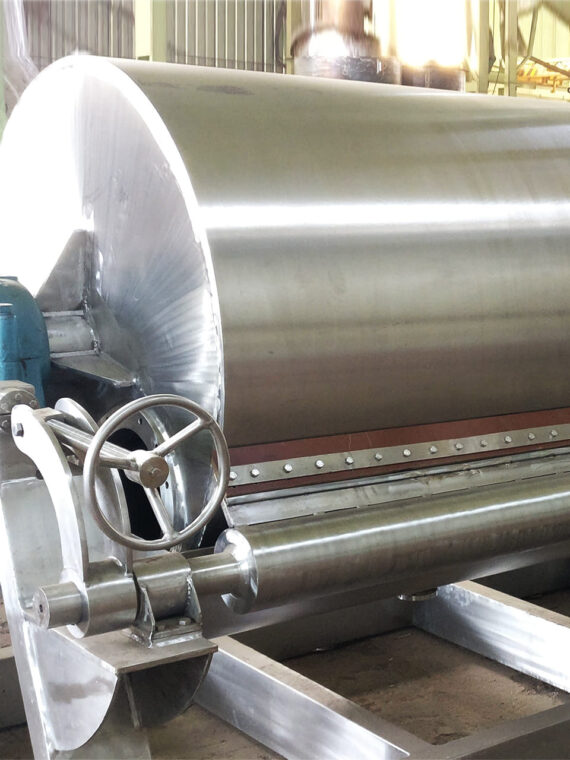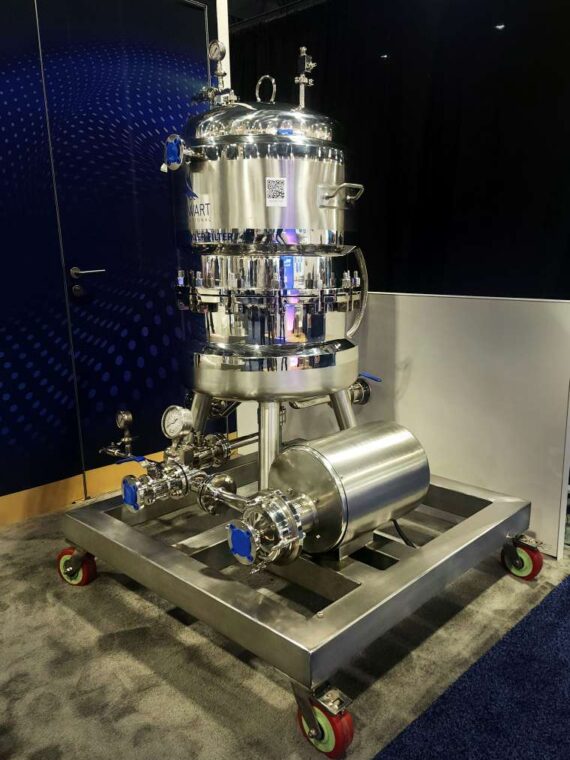

The chemical and petrochemical business in Russia is facing a major shift, not in the production, but in the equipping of its plants. With realignment in the global supply chain, Russian chemical plants are now sourcing essential process equipment to be manufactured by Indian manufacturers, which is a strategic move in procurement, changing the face of industrial relationships across frontiers.
The change is not predetermined only by the need in the short term. It represents a more profound convergence of engineering competence, business fit and long-term dependability, which has enabled Indian machine equipment manufacturers to gain an international reputation gradually.
An Industry of Constant Equipment Demand with a Capital-Intensive Industry
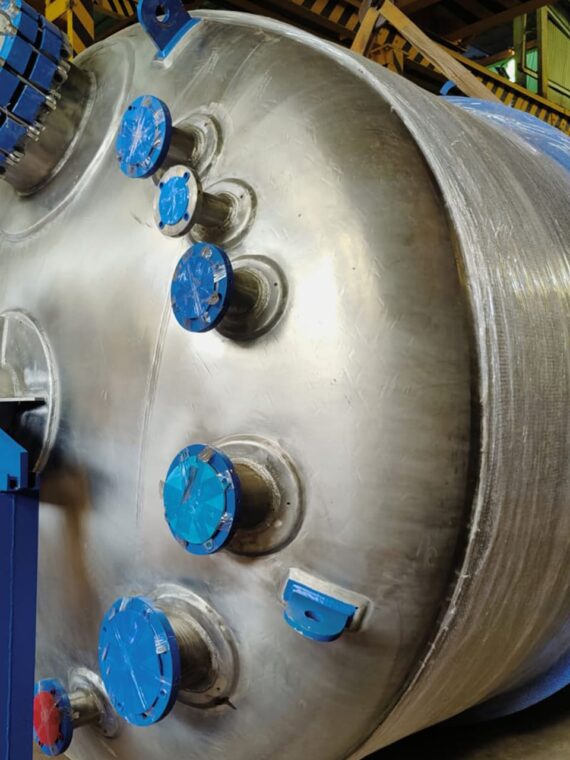
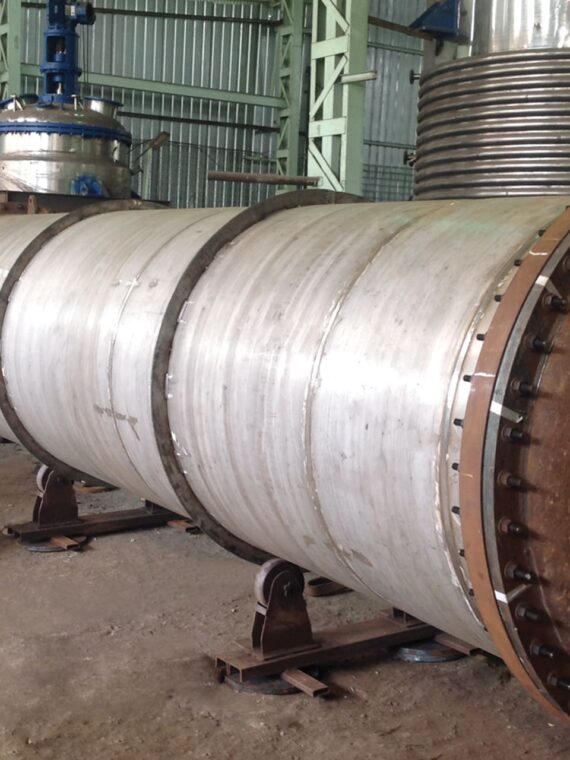
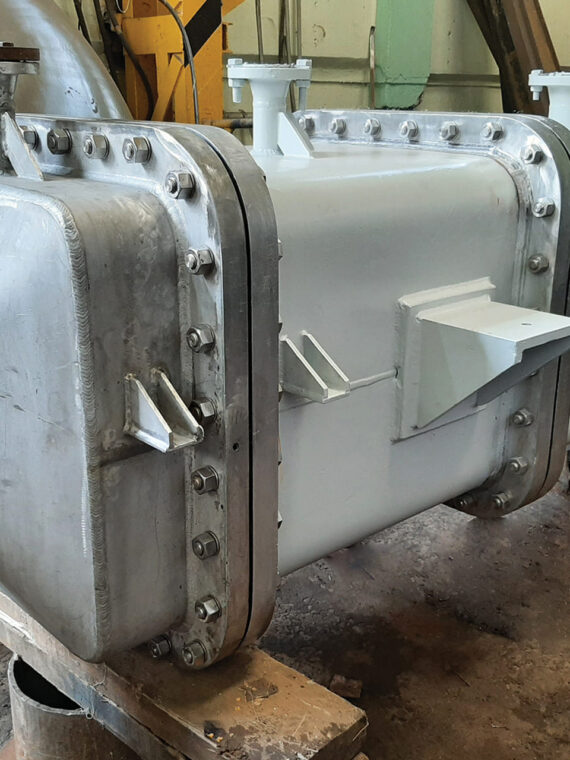
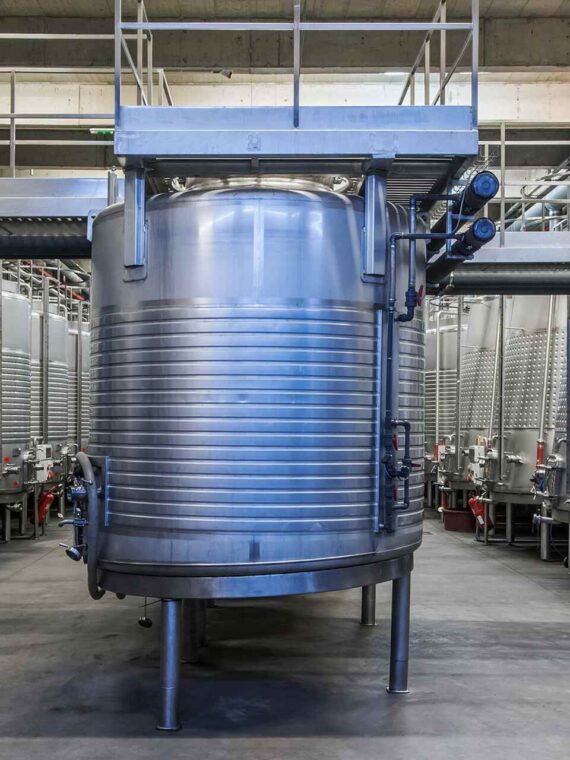
One of the most equipment-intensive industrial facilities on the planet is a chemical plant. Reactors and distillation columns, heat exchangers, pressure vessels, and fluid-handling systems are just a few examples of the production process relying heavily on hardware that has been engineered to perform at the highest level under extreme conditions.
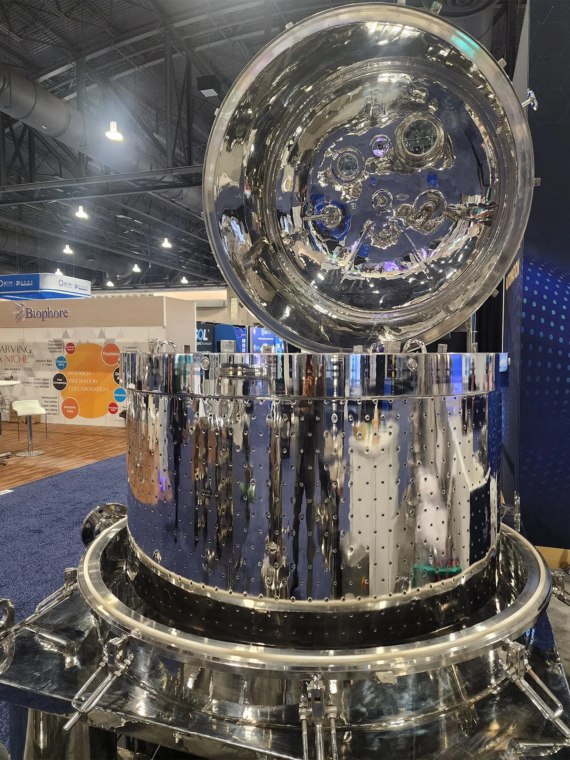
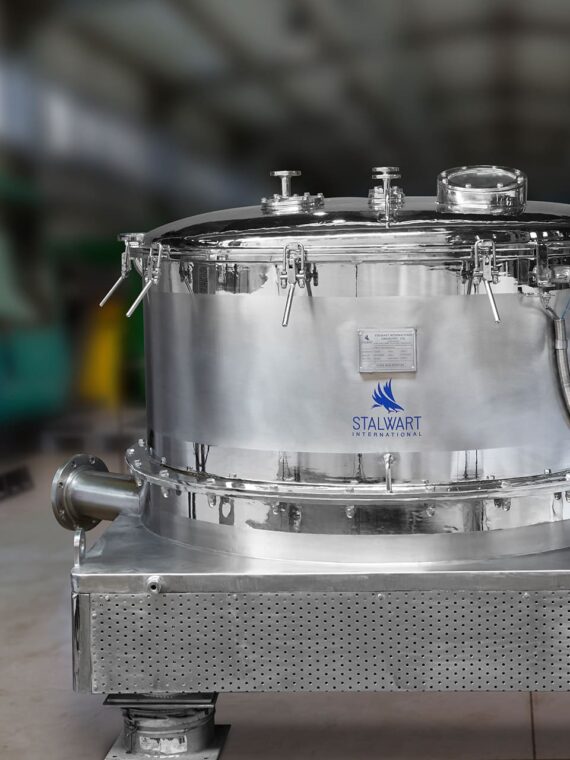
Click here to see all the products: Explore our cutting-edge process equipment, manufactured to precision.
In the case of major Russian producers (Sibur, PhosAgro, EuroChem and Acron Group), their operations are large and ongoing, where failure mode is expensive, and safety is not negotiable. There is constant demand of good process equipment as these companies grow in capacity, modernize plants or in case they are seeking to replace old equipment.
The reasons why Procurement Patterns Are Changing
Traditionally, Russian chemical plants obtained some part of the high-tech equipment in Western Europe and North America, i.e. compressors, automation systems, and special process equipment. Nevertheless, the changing geopolitical situation and trade barriers have increased the pace of reviewing sourcing strategies.
The Russian consumers have become focused on:
- Supply chain continuity
- Engineering flexibility
- Competitive lifecycle cost
- Willingness to be customised and localised
This has led to the entry of Indian manufacturers who have established a solid engineering base combined with a pragmatic and partner-based business style.
India has the strength of Process equipment manufacturing
India has become one of the world’s centres of manufacturing of process equipment, with suppliers of reactors, heat exchangers, pressure vessels, storage tanks, and entire skid-mounted systems being sold into the European, Middle Eastern, African, and Southeast Asian markets.
In the case of Russian chemical plants, the Indian manufacturers present several strong points:
Engineering Individuality and Customisation
Indian suppliers possess familiarity in equipment design of high-pressure, high-temperature and corrosive services: typical of fertilizer, petrochemical and speciality chemical plants. The ability to custom fabricate, select materials and adhere to international codes is the norm and not an exception.
Economical and at the same time not compromising quality
The balance of cost and quality provided by Indian manufacturers is high. As long as the price is not high, the equipment is designed to provide high service life, low maintenance, and reliability in operations, which is of great importance to the Russian operator that holds continuous processes.
End-to-end manufacturing potential
Indian suppliers usually take the whole value chain, including the design, fabrication, testing, documentation and export packaging. These minimize the risks of coordination and provide accountability, which the Russian buyers appreciate more.
Why are we sourcing Indian equipment?
The number of pieces of equipment brought into India is increasing. Common categories include:
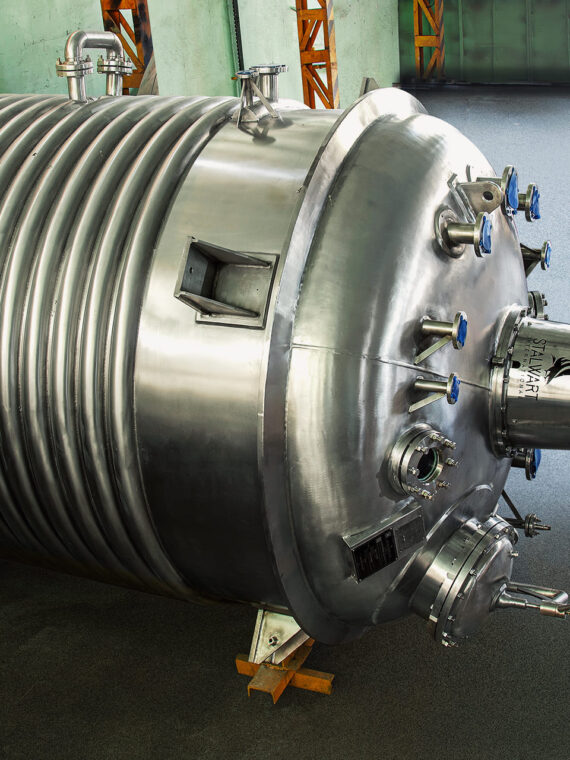
- Chemical synthesis and polymerization reactor.
- Tray-structured, packed, and internally structured distillation columns.
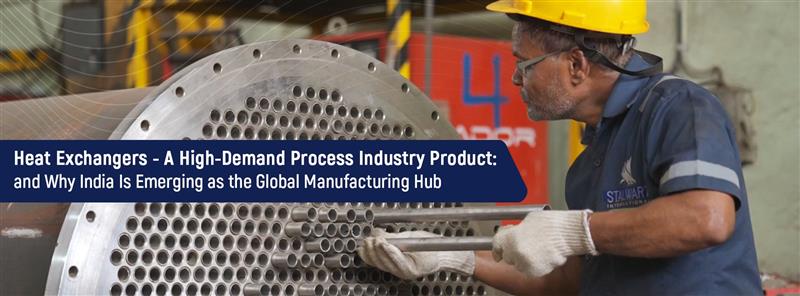
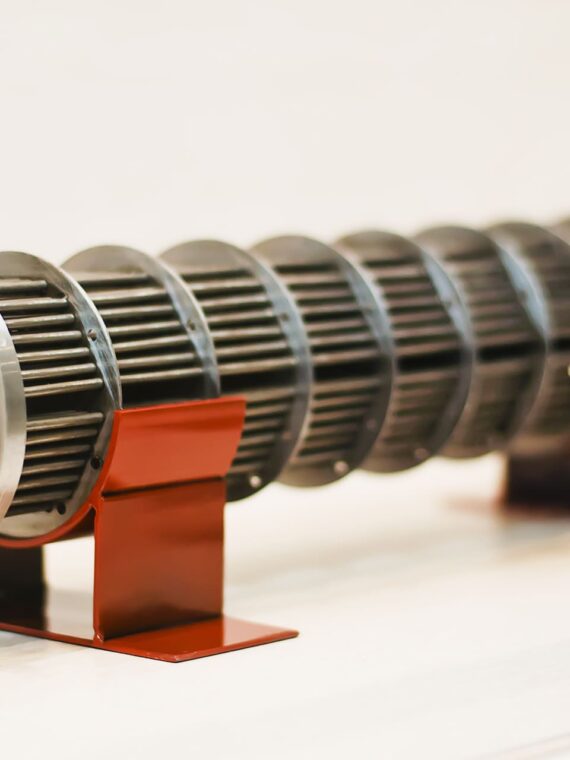
- Shell-and-tube and air-cooled heat exchangers.
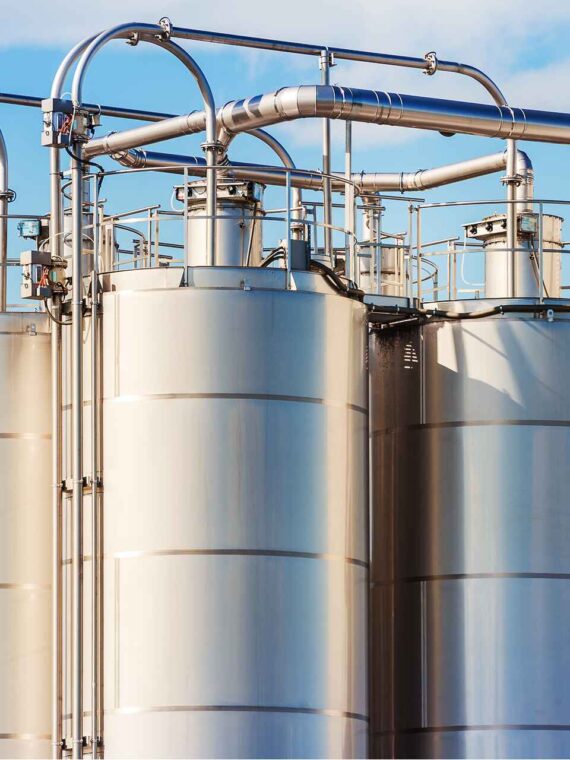
- Storage tanks of high capacity and pressure.
- Pumps, piping and instrumentation process skids.
Revamp and replacement equipment to the old Russian plants is also provided by Indian manufacturers in most cases, as opposed to greenfield projects.
EPC Projects and Strategic Cooperation
Megaprojects of large chemical projects in Russia are commonly implemented on the basis of EPC (Engineering, Procurement, and Construction). The Indian manufacturers are becoming more involved in the project lifecycle at an early stage, collaborating with the EPC and technology licensors.
The early intervention will enable suppliers to:
- Optimize local operating condition designs.
- Reduce lead times.
- Make fabrication meet the project schedules.
- Provide skid or modular solutions.
This kind of cooperation changes the role of suppliers to engineering partners, which is a welcome change for Russian owners of projects.
Localization, Documentation, and Post-Sales Support
Indian manufacturers are flexible, and that is one of the main reasons why they are becoming trusted in Russia. Suppliers are increasingly:
- It will have to provide documentation in Russian.
- Meeting local certification needs.
- Partnering on on-site installation and commissioning.
- Provision of long-term spares and service support.
This lifecycle approach to the entire equipment enhances trust and promotes repeat business.
Implications for the Industry in the Long Run
The increasing equipment commerce between India and Russia is not a short-term adaptation; it is a sign of structural change in industrial supply chains. To Russian chemical plants, it would be diversified sourcing, less dependency, and availability of flexible engineering solutions. To the Indian manufacturers, it is an access to a challenging yet high-end market that favors technical perfection and dependability.
You may also like: Inside Russia’s Chemical & Petrochemical Industry: Process Equipment, Technology, And Procurement Strategies
Summary: An Engineering Trust Partnership
Russian chemical plants are also not purchasing equipment in India; they are establishing long-term industrial relationships. Indian manufacturers are demonstrating themselves as capable, responsive, and appropriately aligned to the market realities as plants are becoming modernized, expanded and adapted to new realities.
FAQs
1. Why are Russian chemical plants sourcing equipment from India?
Many plants in Russia choose suppliers in India for competitive pricing, reliable quality, and stable supply chains unaffected by Western sanctions.
2. Is Indian process equipment compatible with Russian industrial standards?
Yes. Most Indian manufacturers follow global standards like ASME and ISO, making their equipment fully compatible with Russian chemical industry requirements.
3. Are Indian suppliers able to deliver equipment quickly?
Delivery timelines are often faster because Indian manufacturers maintain strong production capacity and flexible logistics routes to Russia.
4. What types of process equipment do Russians import from India?
They often buy reactors, heat exchangers, pumps, pressure vessels, storage tanks, and filtration systems for chemical and petrochemical operations.
5. Are Indian manufacturers cost-effective for large-scale chemical projects?
Yes. Indian suppliers offer high-quality engineering at lower production costs, helping Russian plants reduce capital and operational expenses.