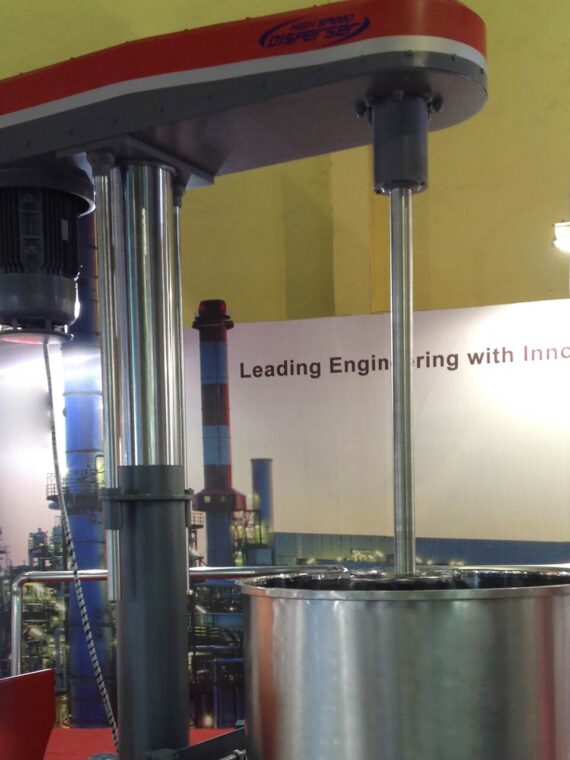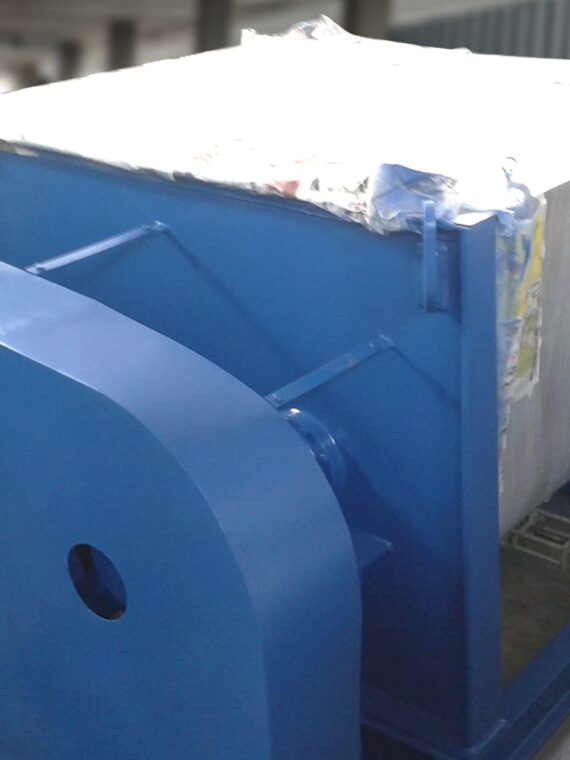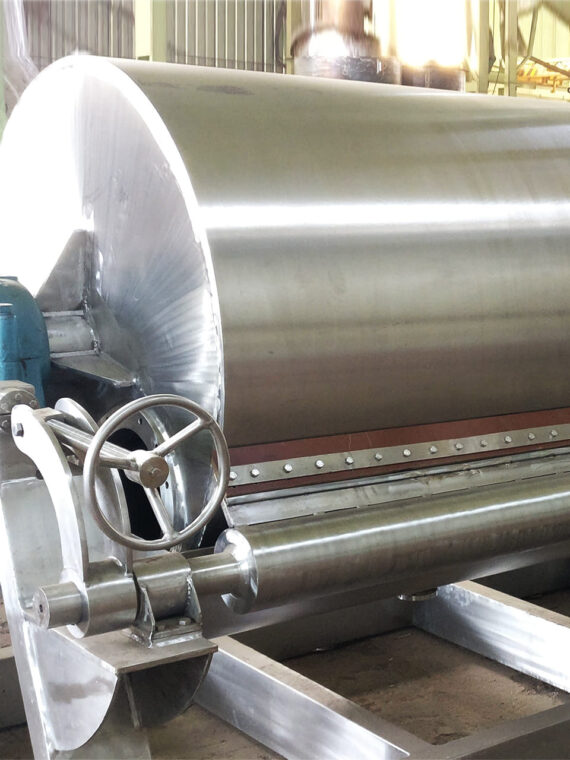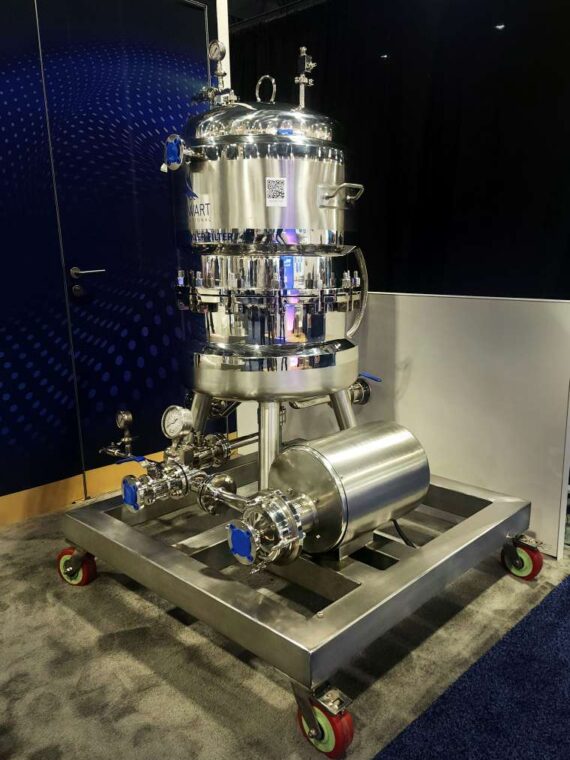

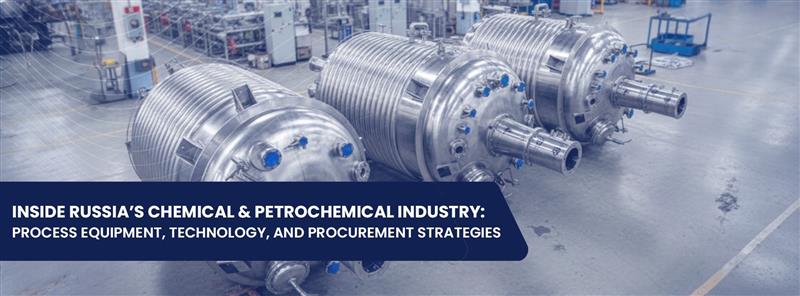
The role of the chemical and petrochemical industry in industrial life is one of the most important in Russia. The sector is a producer of the full range of outputs, including basic chemicals and fertilisers up to polymers, synthetic rubbers and industrial intermediates, and contributes to the key downstream sectors, including metallurgy, pharmaceuticals, textiles, construction, and agriculture. One of the fundamental components of this huge industrial system is process equipment. These are complex and heavy-duty systems that can facilitate large-scale and continuous production that is safe, efficient and consistent.
The Industrial Backbone: Essential Process Equipment
Reactors – The Place where Chemistry occurs
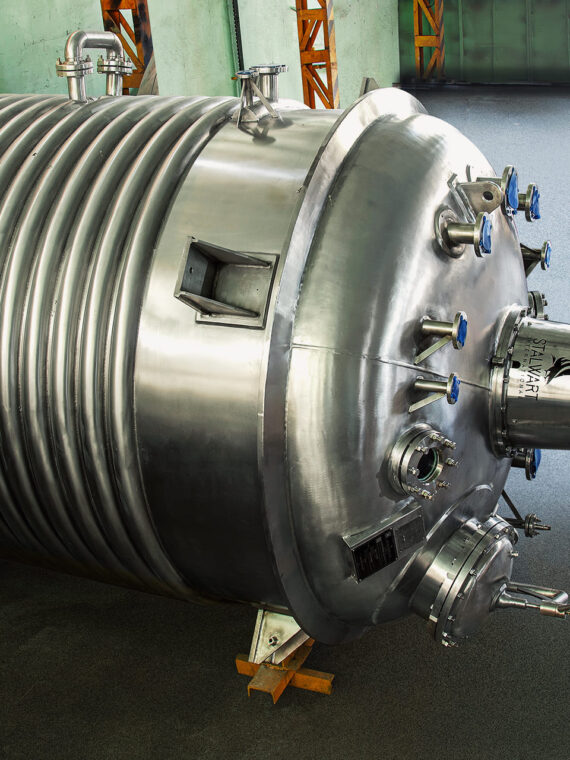
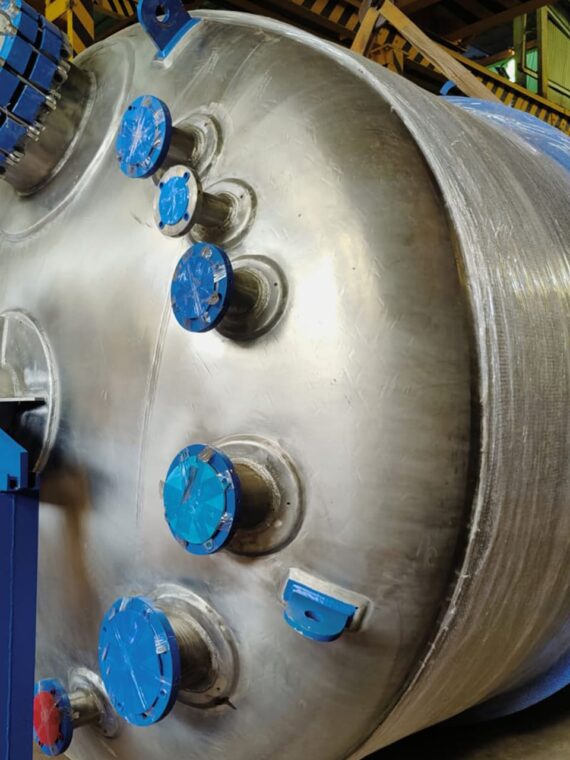
Any chemical or petrochemical plant consists of chemical reactors. Russian plants use diverse forms of reactors based on the product and process: batch reactors are used to manufacture specialty chemicals, continuous stirred tank reactors (CSTRs) produce bulk chemicals, and fixed-bed or fluidised-bed reactors are used to produce catalytic processes. High-pressure ammonia reactors are essential to the operation of fertiliser plants. They are forced to operate in the conditions of extreme temperatures and pressure without any chance of failure or safety.
Distillation Columns -Separation at Scale
One of the most noticeable and tallest structures in a petrochemical complex is the distillation columns. These towers are necessary for the separation of chemical mixtures into usable fractions. They are also mainly utilised in the oil refining, petrochemical cracking units, methanol production and solvent purification in Russia. Also widespread in developed petrochemical plants, making polymers and speciality gases, are vacuum distillation and cryogenic separation units.
Heat Exchangers-Energy Management
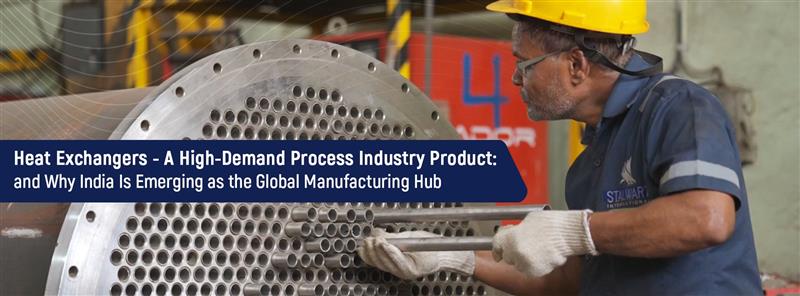
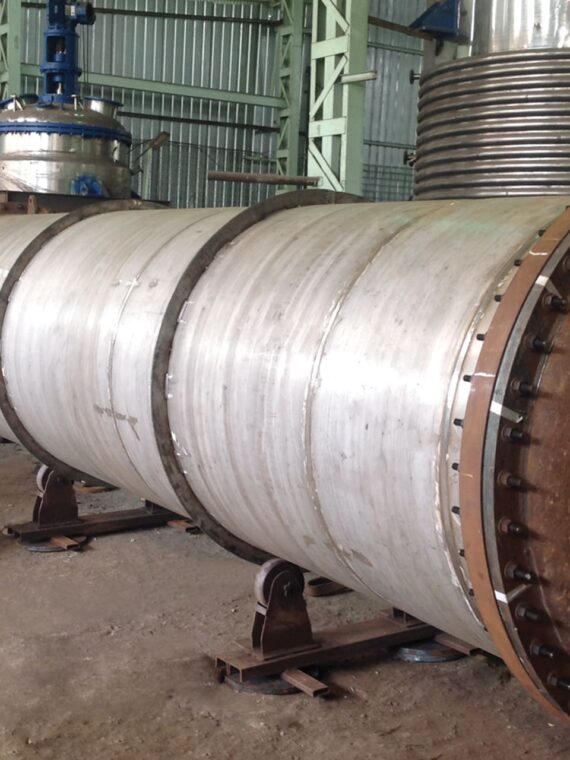
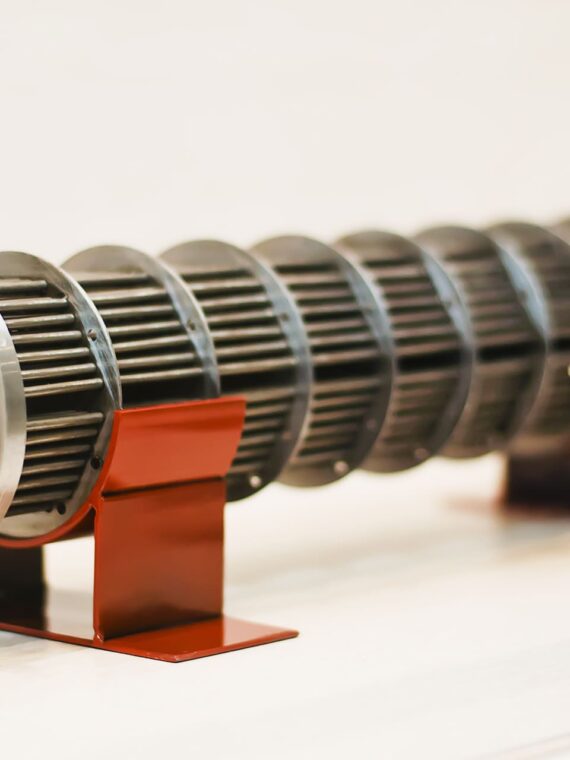
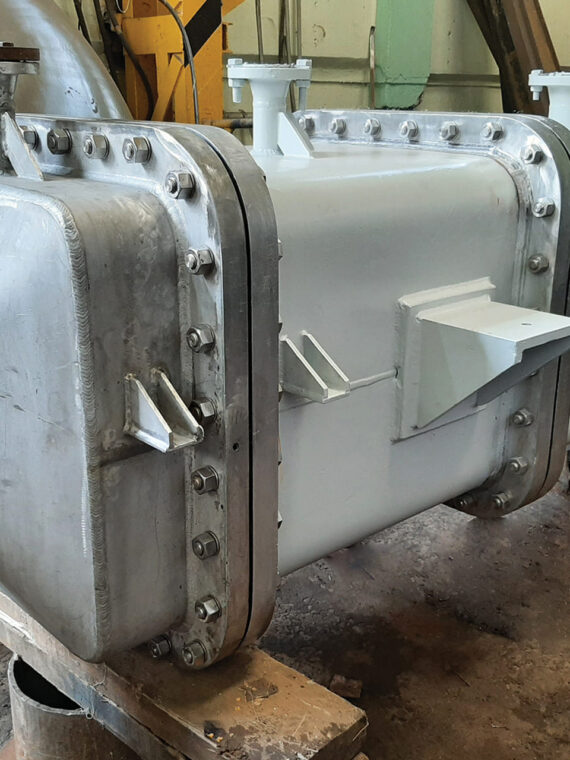
Heat exchangers play a vital role in ensuring that there is control of temperature as well as the achievement of maximum energy efficiency. Shell-and-tube heat exchangers are the most common in heavy-duty operations of a chemical process, whereas plate heat exchangers are applied in compact or high-efficiency operations. Due to the cold climate in Russia, thermal design is critical, especially in installations that are placed outdoors, because temperatures can be very high or very low, and this may affect their performance.
Fluid Handling, Compressors, and Pumps
Process plants use a varied assortment of centrifugal and positive displacement pumps to transfer liquids over piping systems of high complexity. Compressors (centrifugal and reciprocating) will be necessary to work with gases in ammonia manufacturing, the hydrogen processing unit, and the polymerisation unit. The first is reliability because downtime during continuous processes may lead to huge losses in production.
Storage Tanks and Pressure Vessels
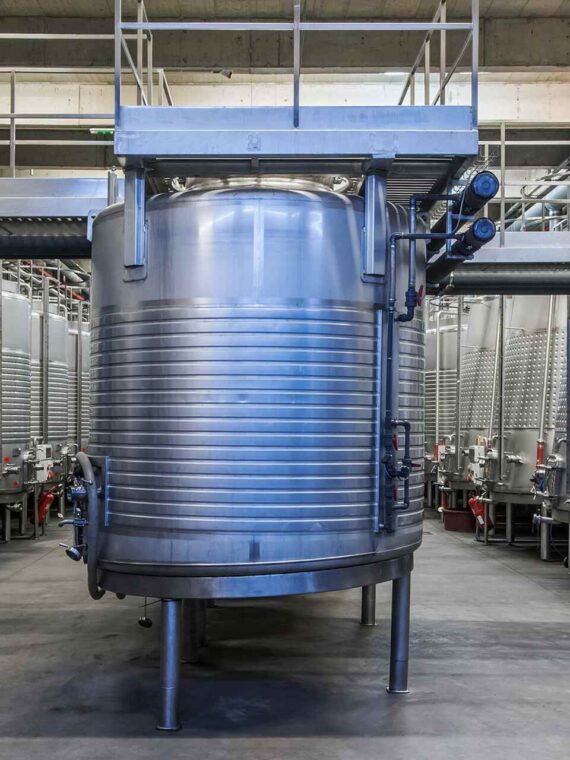
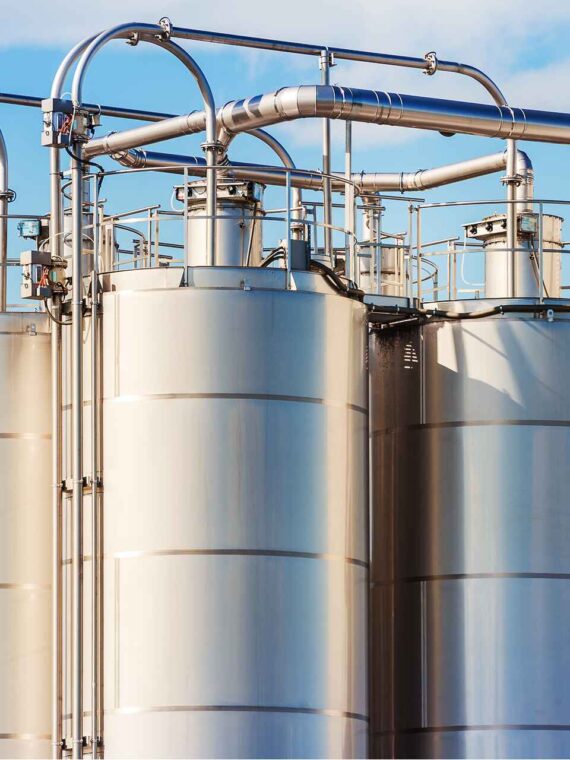
Raw materials as well as completed products are supported by a large-scale storage infrastructure. The chemical storage tanks, spherical LPG tanks, cryogen tanks, and high-pressure tanks are engineered to adhere to the high safety and resistance to corrosion requirements. These are highly volatile components that are usually bespoke with the fierceness of the chemicals in question.
Separating, Solid Handling, and Filtration
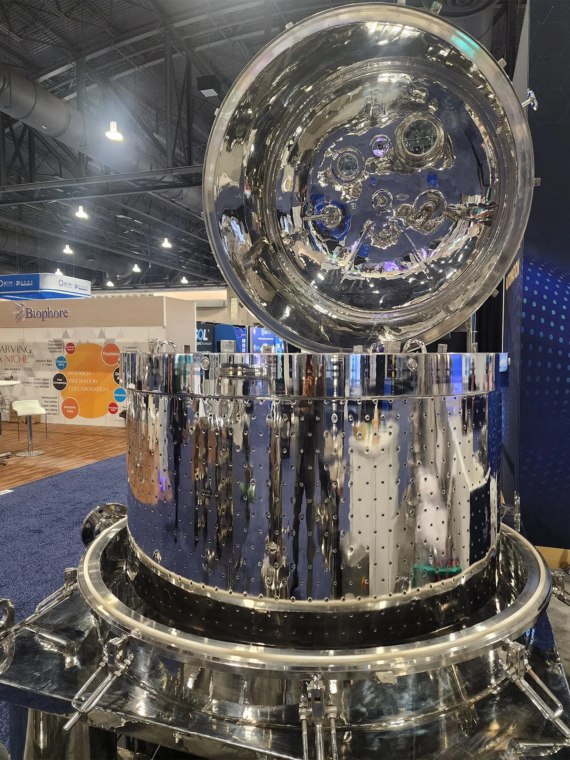
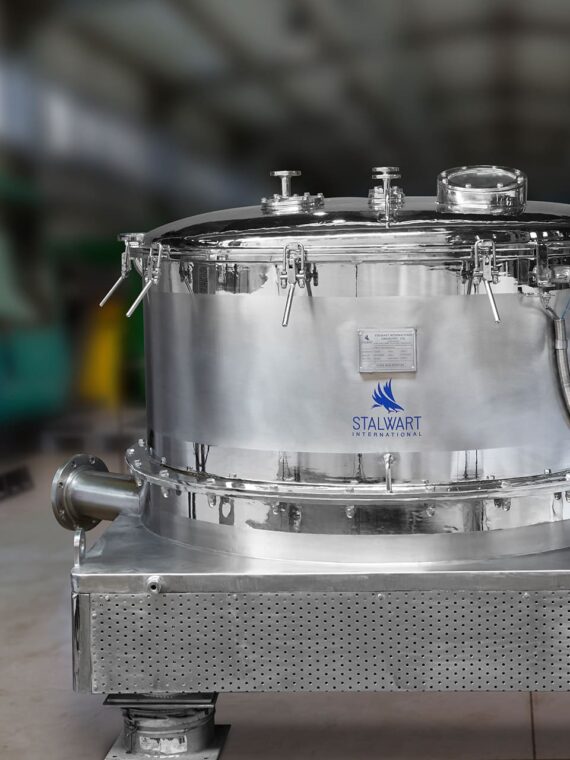
The centrifuges, cyclones and membrane filtration systems are also applicable in the manufacture of fertilisers, polymer finishing, and speciality chemical production. Such systems guarantee purity and uniformity of products, particularly where solids or multi-phase mixtures are applicable.
Control Systems and Automation
The use of modern automation in the Russian chemical plants is becoming the norm. Distributed Control Systems (DCS), automation based on PLCs, and SCADA provide an operator with thousands of parameters to monitor in real-time. Automation not only enhances efficiency, but it is also imperative in high-risk chemical environments in terms of safety.
Who Uses This Equipment? Major Industry Players
Big Russian-manufactured businesses have complexes of chemicals and petrochemicals, which require the equipment to be highly specialised. Firms like Sibur that are the major manufacturers of polymers and synthetic rubbers depend on sophisticated reactors, extrusion machinery, and separation units. The large-scale ammonia, phosphoric acid, and granulation facilities of the fertiliser giants such as PhosAgro, EuroChem and Acron Group are in need of robust and high-pressure equipment that can perform their functions twenty-four hours a day.
The way Russia Buys Chemical Process Equipment
Domestic Manufacturing and Finishing
Russia is known to have an extended history of heavy engineering and industrial manufacture. A considerable number of reactors, pressure vessels, storage tanks, heat exchangers and steel structures are produced in the country. The suppliers are also quite robust, particularly in carbon steel and alloy steel fabrication of large equipment locally.
International Sourcing and Imports
In the past, Russia imported high-precision equipment – advanced compressors, turbines, and automation systems – from Europe and North America. According to the current market, sourcing has moved a long way towards Asia, and specifically China, India, Turkey and some suppliers of the Middle East. Parallel importing and other logistics routes are gaining popularity.
You may also like: Advanced Chemical Reactor Design: Powering Germany’s Modern Chemical Industry
Turnkey Projects and EPC Contractors
EPC (Engineering, Procurement, and Construction) models are used to construct large chemical complexes. Within this model, EPC contractors handle the plant design and equipment sourcing process until the installation and commissioning processes. The most common processes involved in technology licensing are polymerization, methanol synthesis, and ammonia production.
Localization and Import Substitution
Russia has been hastening localization in response to trade restrictions around the globe. The industrial production of control systems, instrumentation, industrial valves and pumps has increased at a high rate. The reliance on foreign suppliers is being minimized by reverse engineering and technology adaptation.
New Tendencies in Procurement of Equipment
The Russian chemical manufacturers are getting more concerned with:
- Hot water conservation and heat recovery.
- Modular plant construction.
- Online tracking and forecasting maintenance.
- Long-life, low-maintenance equipment designs.
Sustainability is also becoming a priority, and plants are turning to the use of technology, which makes their emissions less, they produce less waste and use more efficiently.
Conclusion
Russia boasts of a chemical and petrochemical industry that is pegged on heavy-duty, high-precision process equipment. These aspects are reactors and distillation columns, automation, and storage infrastructure that characterisecharacterize the industry in terms of capacity, efficiency and resilience. With a shift in procurement strategies, dictated by localization, new trade partners, and the technological movement, the equipment of the process is the key that helps the chemical industry in Russia to act in large volumes and compete on a global scale.
FAQs
What is the chemical industry in Russia?
Russia has a large, resource-driven chemical industry focused on petrochemicals, fertilizers, polymers, and industrial chemicals. It benefits from vast oil and natural gas reserves, making it a major exporter of ammonia, methanol, and synthetic materials. The sector plays a key role in Russia’s industrial economy.
What is the biggest petrochemical company?
Globally, Sinopec is considered the largest petrochemical company by revenue and production capacity. Other major players include BASF, Saudi Aramco, and Dow.
What is the new technology in the petrochemical industry?
Key new technologies include AI-driven process optimization, carbon capture systems, advanced catalysts, chemical recycling of plastics, and digital twin simulations. These innovations focus on improving efficiency, lowering emissions, and increasing sustainability.
What are the three main types of petrochemicals?
The three main types of petrochemicals are olefins, aromatics, and synthesis gas (syngas).
They serve as the basic building blocks for plastics, synthetic fibers, fertilizers, and many industrial chemicals.
Which country is No.1 in the chemical industry?
China is currently the global leader in the chemical industry by production and revenue, with companies like Sinopec dominating global markets. It holds the largest share of global chemical output.