
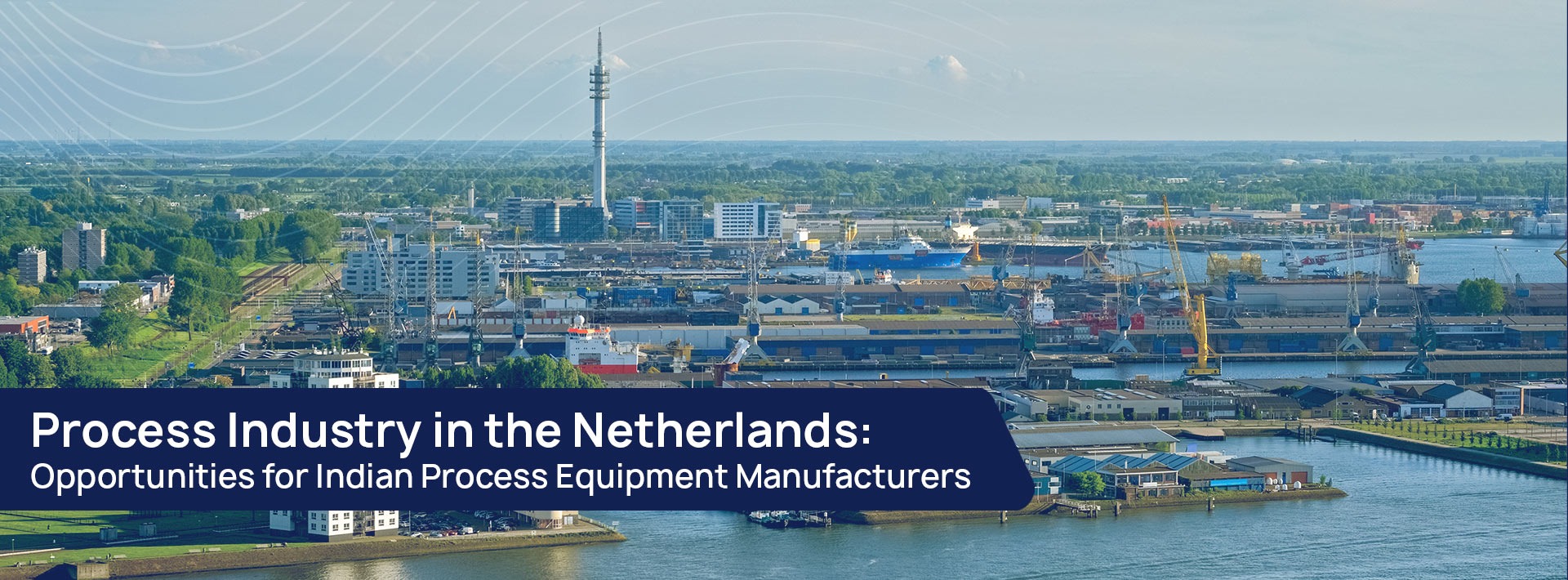
The Netherlands belongs to one of the most developed industrial economies in Europe, where the country is very strong in chemicals, food processing, pharmaceuticals, and power production. A well-developed system of the process industry has been formed in the country over several decades, with the support of world-class ports, engineering skills, and global trade relations.
The Dutch process industry is an emerging opportunity for process equipment manufacturers in India. With the modernization of industries and an increase in the production capacity of industries, there is a steady demand for high-quality process equipment, reactors, pressure vessels, heat exchangers, and storage systems.
Knowledge of the Dutch process industry structure may enable the Indian manufacturers to determine where their skills and machinery may be incorporated in this global supply chain.
The Netherlands: One of the European Process Industry Centers
The Netherlands has become a big industrial access point to Europe owing to its strategic logistics and infrastructure. The nation is the home of the biggest chemical and refining groups in Europe and thus an important hub of the chemical process industry.
Key industries that propel the Dutch process industry are:
- Manufacturing of chemicals and petrochemicals.
- Food and dairy processing
- Production of pharmaceuticals and biotechnology.
- Energy production and oil refining.
- Circular and sustainable chemical technologies.
Big industrial belts like Rotterdam or Chemelot accommodate many production units that contain industrial process equipment that is vital in the production process.
The industries are dependent on continuous processing systems, which demand durable, efficient, and precision-engineered equipment.
Increasing Process Equipment Demands
The industry of the Dutch process becomes more efficient and sustainable, so there is a constant necessity to upgrade or replace equipment.
The types of process equipment that are important in the Netherlands are:
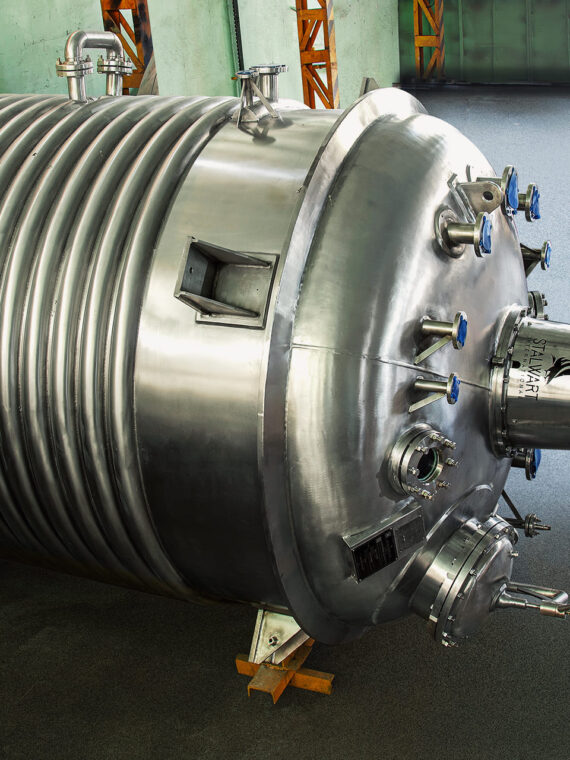
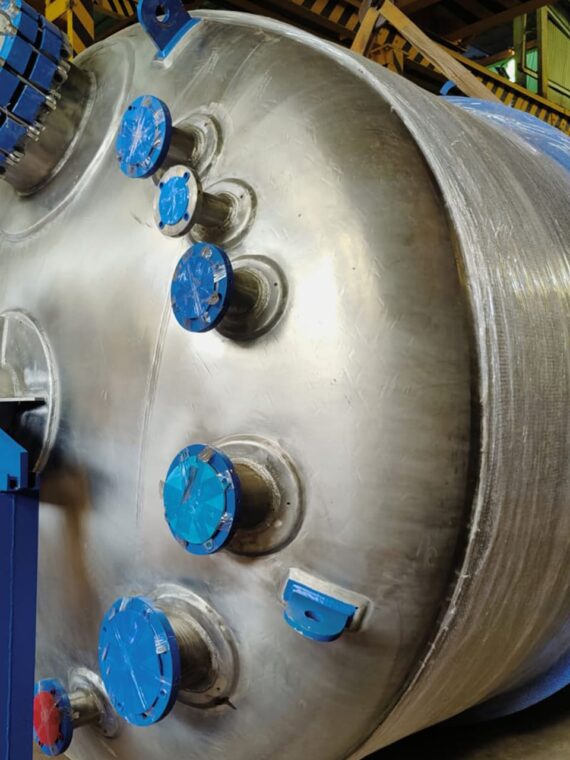
- Chemical reactors
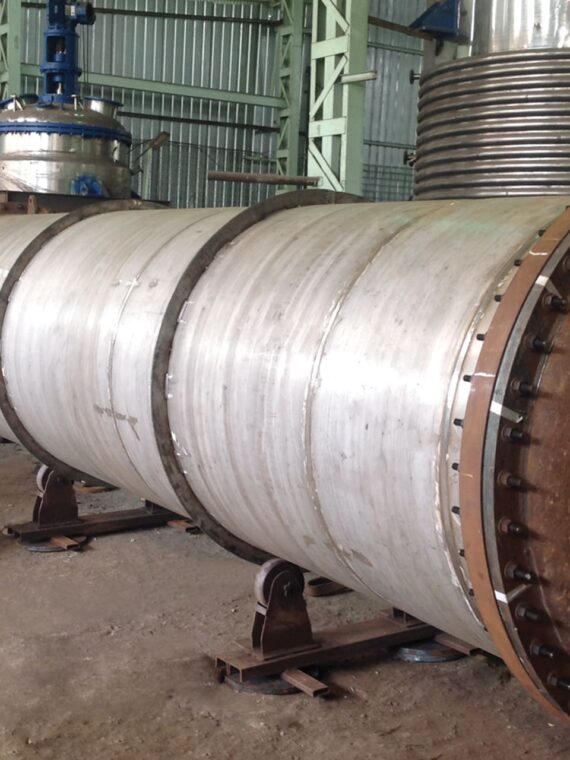
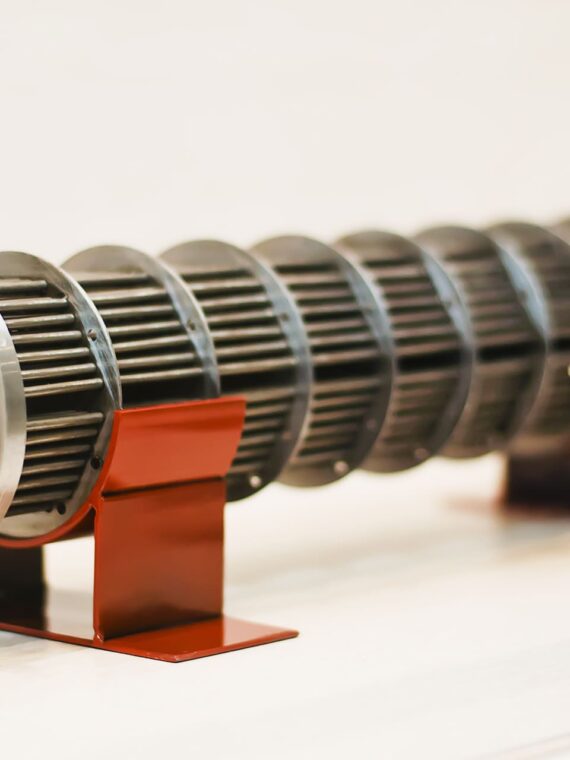
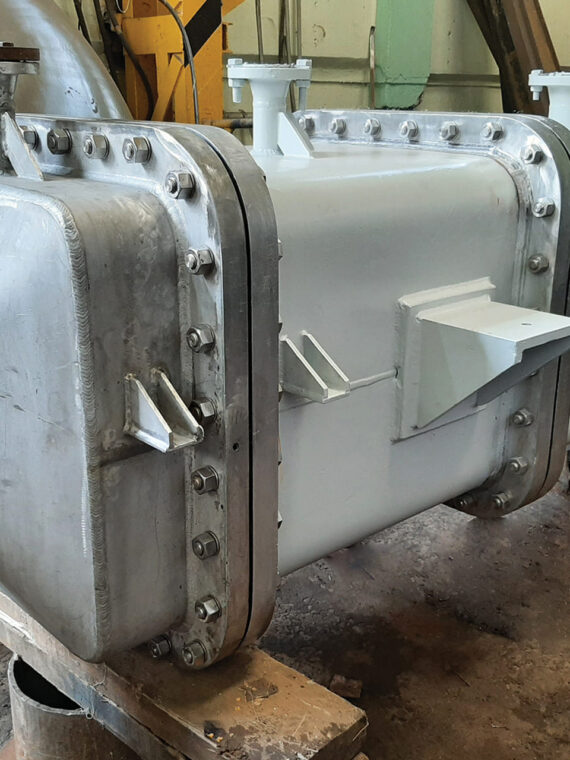
- Heat exchangers
- Condensers
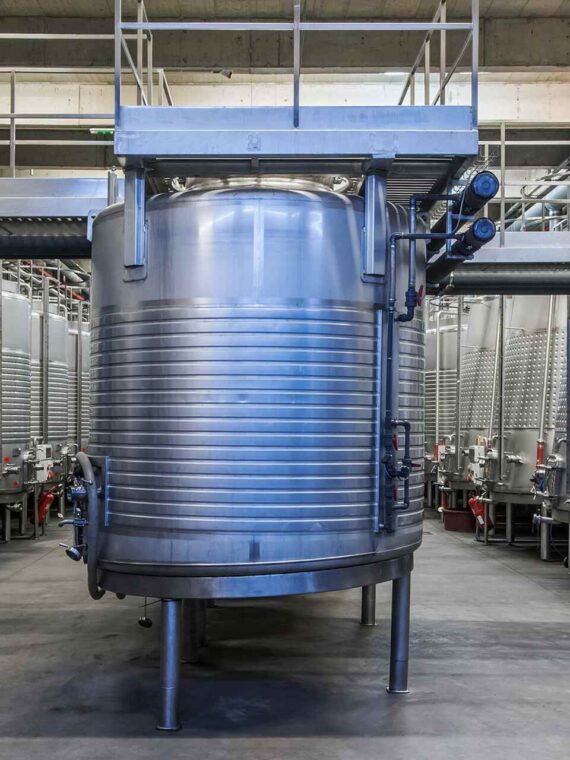
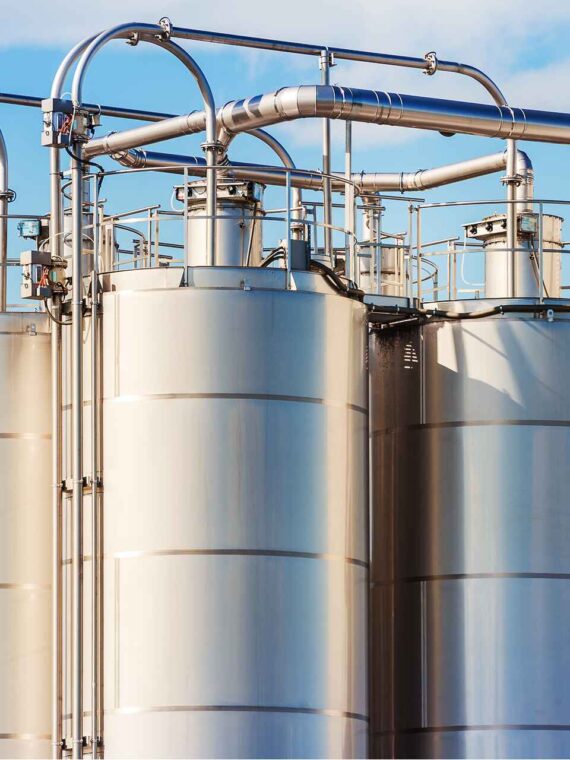
- Storage tanks
- Distillation columns
- Pressure vessels
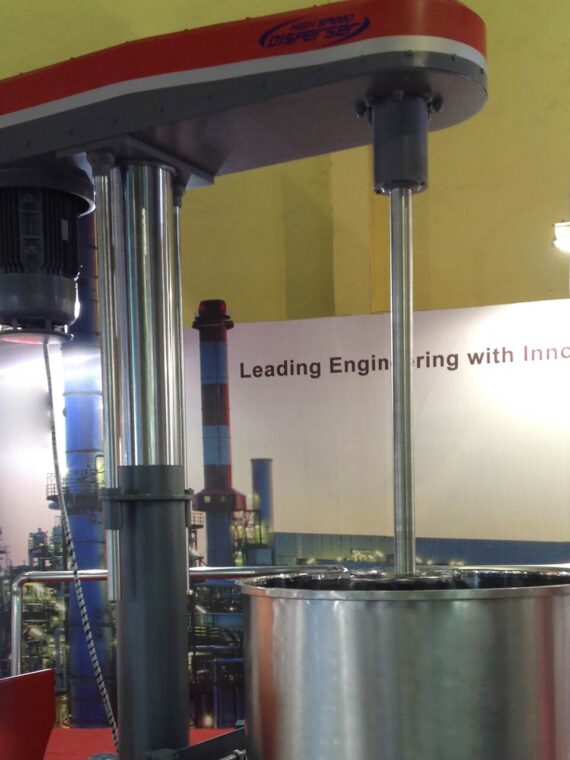
- Mixing systems and agitators.
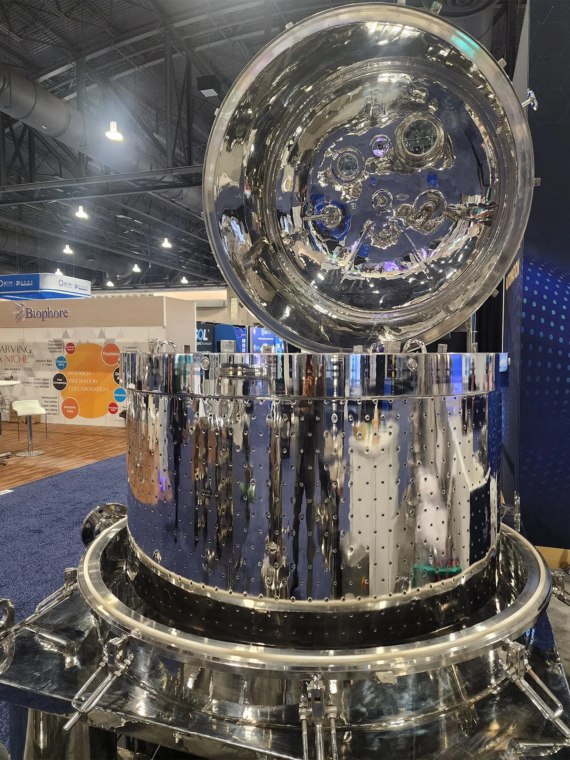
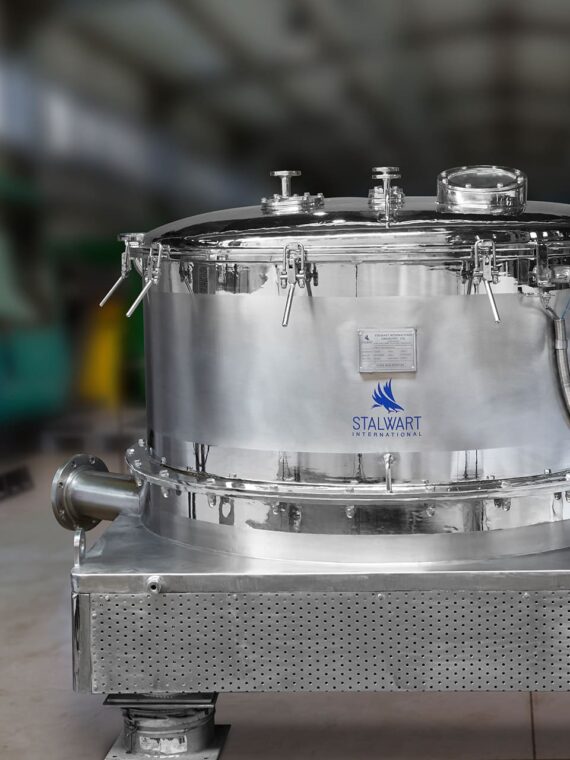
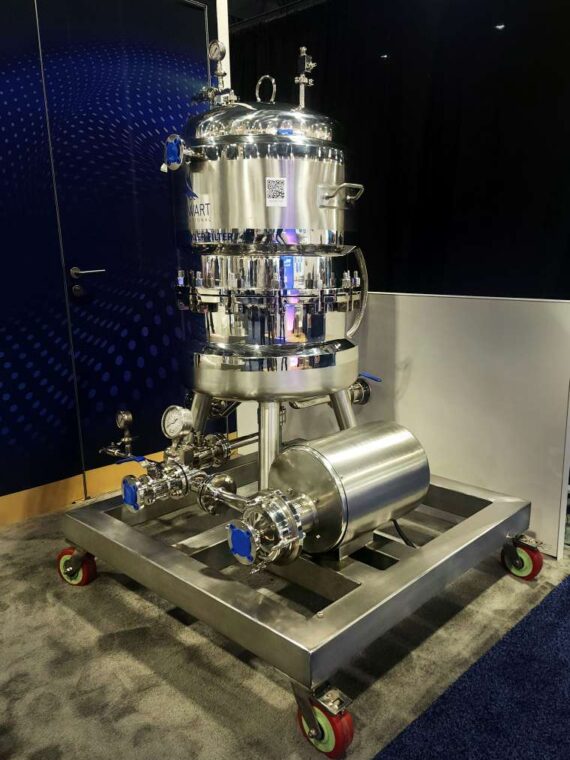
- Separation systems and filtration systems.
All these parts play a significant role in chemical reactions, heat transfer, separation, and the handling of materials.
Most of the companies in Europe engage international suppliers to procure quality equipment that is highly engineered and of high quality. This opens up a market potential to the Indian process equipment manufacturers who are well known for their engineering and competitiveness in cost.
The reason why Indian Process Equipment Manufacturers are Competitive
The last 20 years have seen India become an industrial powerhouse in the field of industrial process equipment.
Indian manufacturers have now created equipment that is compliant with international codes, including:
- ASME
- PED
- ISO standards
- CE certification specifications.
Indian firms are able to use their high engineering skills and fabrication abilities to provide equipment to all industries located in the global market, including Europe, the Middle East, and Southeast Asia.
Indian manufacturers have some major benefits, which include:
Cost-efficient manufacturing: The fabrication factories in India are also at competitive prices, but of good quality.
Engineering expertise: The Indian companies are well experienced in producing equipment in the chemical, pharmaceutical, oil and gas, and food manufacturing industries.
Customization capabilities: Most process plants need equipment that is custom-made to suit certain processes, and Indian manufacturers tend to focus on this type of engineering.
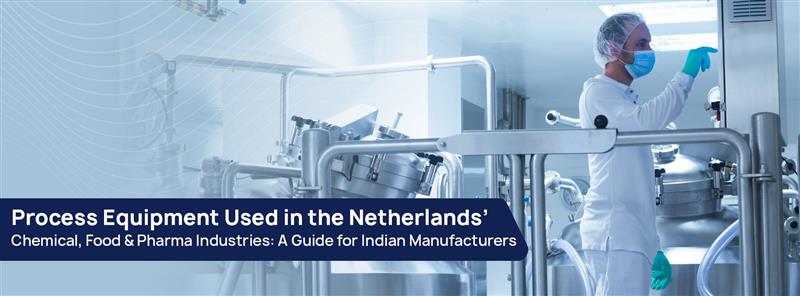
You may also like: Process Equipment Used in the Netherlands’ Chemical, Food & Pharma Industries: A Guide for Indian Manufacturers
Opportunities in Chemical and Specialty Manufacturing
The chemical and specialty chemicals industry is also highly represented in the Netherlands. This industry demands intricate processing infrastructures, which entail regulation of temperature, pressure, and exact mixing.
Common equipment in chemical plants would be:
Experienced Indian manufacturers of these systems can be useful suppliers to the engineering contractor on European industrial projects.
Sustainability and Process Innovation Role
The second important trend that has taken place in the Dutch process industry is the increased emphasis on sustainable production technologies.
Companies are investing in:
- Circular chemical processes are the ones that cause it to keep going.
- Bio-based materials
- Carbon reduction technology.
- Waste-to-energy systems
Such undertakings demand state-of-the-art processing machinery that is able to take care of new materials and novel production techniques.
This shift to sustainability is generating additional demand for high-performance process equipment, and the opportunity for global suppliers is further opened.
You may also like: How Indian Process Equipment Manufacturers Are Powering Global Industrial Growth
Developing an alliance with European EPC Contractors
In most instances, the procurement of industrial equipment in Europe is done by the service of Engineering, Procurement, and Construction (EPC) companies.
Indian manufacturers intending to penetrate the European market usually partner with:
- EPC contractors
- engineering consultants
- integrators of industrial plants.
Through these associations, the manufacturers of equipment are able to enter into large-scale industrial projects in Europe.
Conclusion
The Netherlands keeps on being at the core of the European process industry, and its growth in chemicals, food processing, pharmaceuticals, and sustainable technologies is also very strong.
This offers a good opportunity for process equipment manufacturers in India to venture into the international markets. Indian suppliers are well-engineered and competitive in their manufacturing plants and have an industrial fabrication experience that puts them in a good position to keep up with the dynamics of the Dutch process sector.
As the world is swiftly becoming globalized, partnerships between European process plants and Indian equipment suppliers will only rise in the future, where both parties gain some wins.
FAQs
1. What is process equipment used for?
Process equipment is used in industries like chemical, food, and pharma to carry out operations such as mixing, heating, cooling, and material handling during production.
2. Why is the Netherlands a good market for process equipment?
The Netherlands has a strong chemical, food processing, and pharmaceutical sector, creating high demand for advanced and efficient process equipment.
3. What types of process equipment are in demand in the Netherlands?
Commonly demanded process equipment includes reactors, heat exchangers, pressure vessels, storage tanks, and filtration systems.
4. Can Indian manufacturers export process equipment to the Netherlands?
Yes, Indian manufacturers can export process equipment to the Netherlands by meeting EU standards, certifications (like CE marking), and quality requirements.
5. Which industries in the Netherlands need process equipment the most?
The key industries are chemicals, food & beverages, pharmaceuticals, and biotechnology, all of which rely heavily on process equipment.
6. What certifications are required for process equipment in Europe?
Process equipment exported to Europe typically requires CE certification, PED (Pressure Equipment Directive), and compliance with EU safety standards.