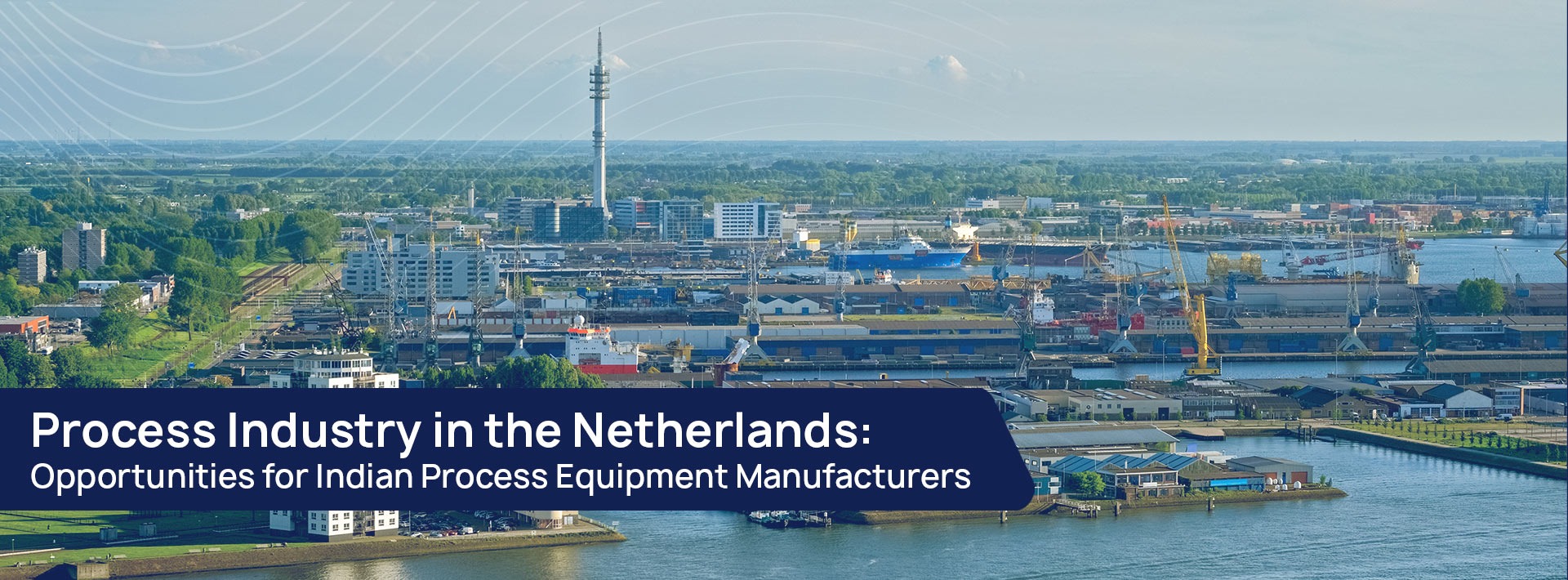

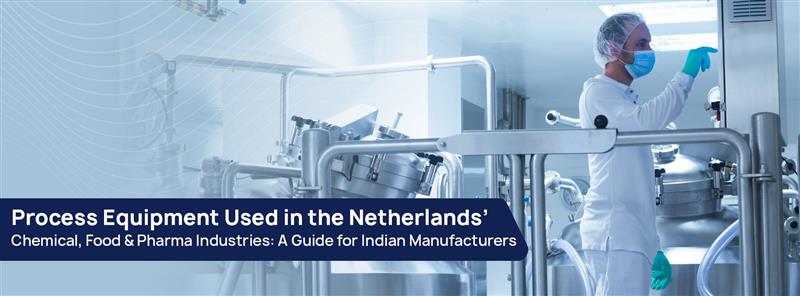
The Netherlands hosts one of the most advanced process industry ecologies in Europe, among which there are giant production plants, both in the fields of chemicals, food processing, pharmaceuticals, and energy.
These sectors are dependent on the industrial process equipment to transform the raw materials into the finished products, utilizing controlled chemical, thermal, and mechanical processes.
In the case of Indian process equipment manufacturers, familiarity with the nature of equipment applied in the Dutch industries can be used to determine the opportunity of exporting and any form of partnership security with players in the global industry.
The Dutch Economy, the Core of which is the Chemical Industry
The Netherlands boasts one of the most developed chemical industries in Europe. There are numerous products manufactured by companies in this industry, which include polymers, coatings, specialty chemicals, and industrial materials.
Production of chemicals demands very specialized machinery that can withstand high temperatures, pressures, and reactive substances.
The typical equipment utilized in a chemical plant is:
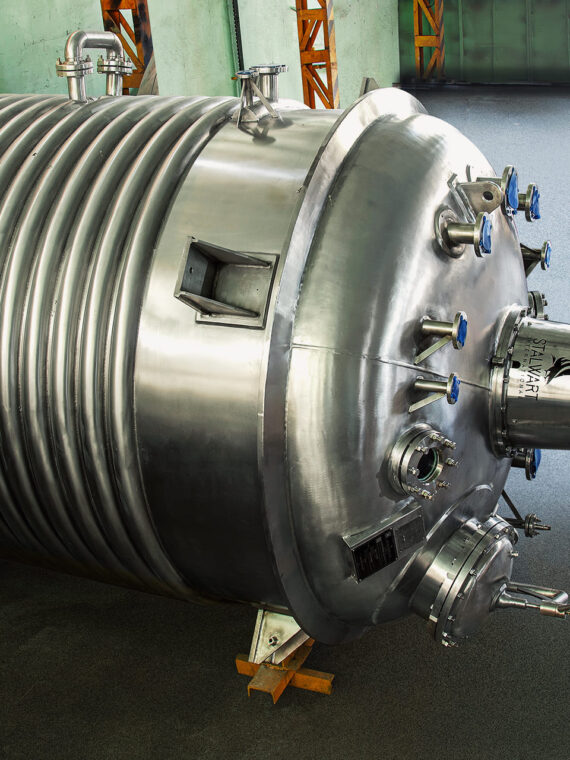
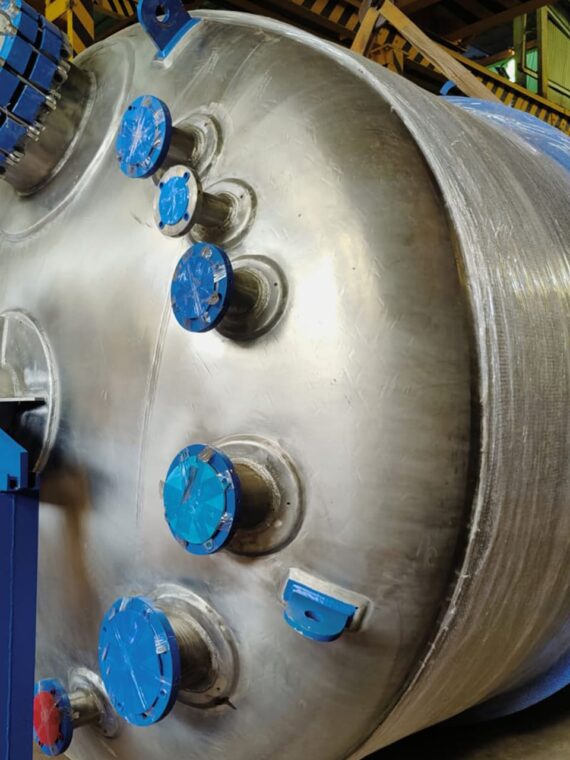
- Chemical reactors: These are vessels that allow regulated chemical reactions and are needed in the making of polymers, solvents, and specialty chemicals.
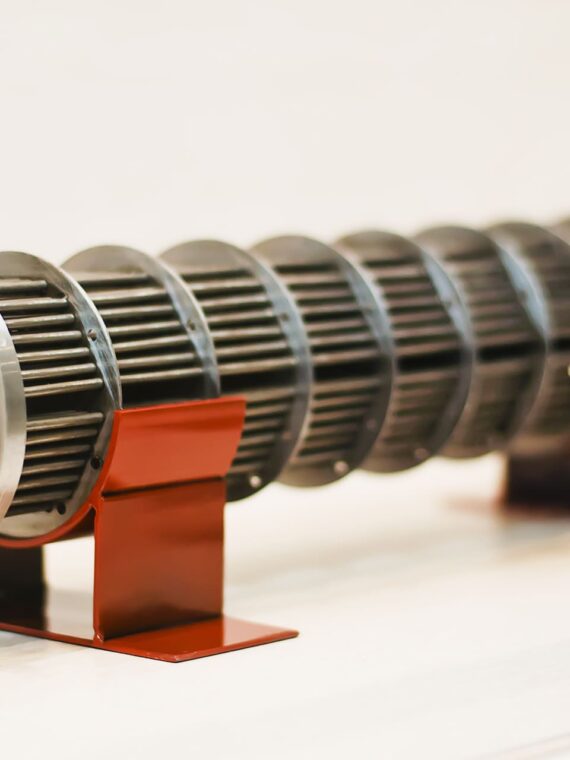
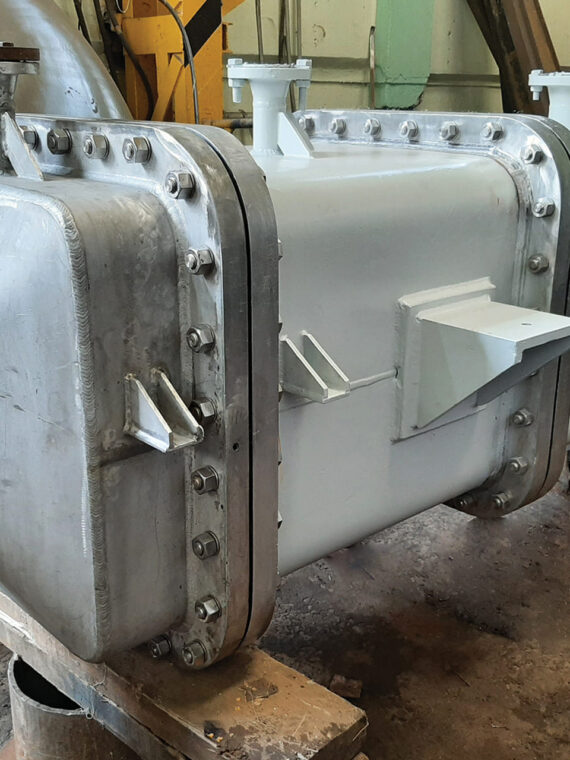
- Heat exchangers: Heat exchangers are used to control the temperature in the production process as they are safe and efficient.
- Distillation columns: These units, which isolate chemical mixtures into individual components, are based on boiling points.
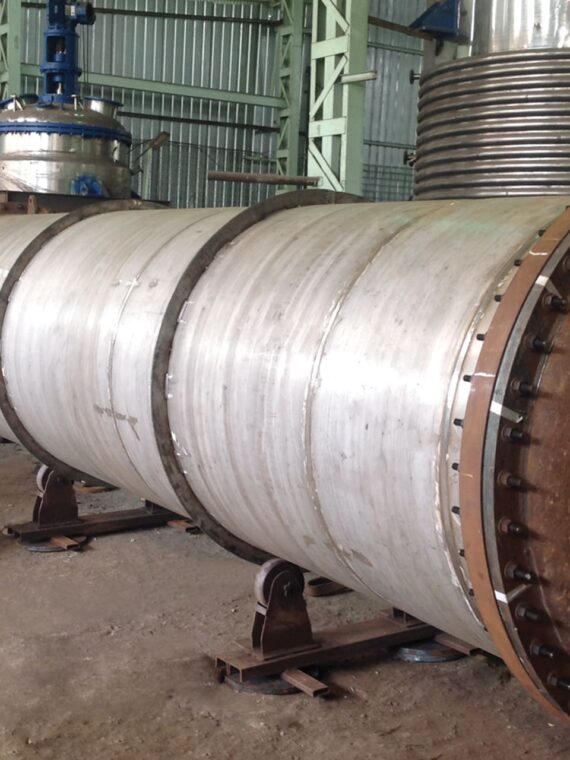
- Pressure vessels: Applied in the high-end processes, including catalytic reactions and gas treatment.
- Condensers: In the distillation or chemical processing, condensers are used to transform vapors into liquids.
Indian manufacturers who have experience in the production of reactors, heat exchangers, and pressure vessels can have plenty of demand in these areas.
Food Processing Industry
The Netherlands is a major exporter of agricultural and food products in the world. Because of it, the food processing plants constitute a significant aspect of the industrial sphere in the country.
The facilities are based on clean processing systems that ensure that the safety and quality standards are upheld.
The most important food processing equipment includes:
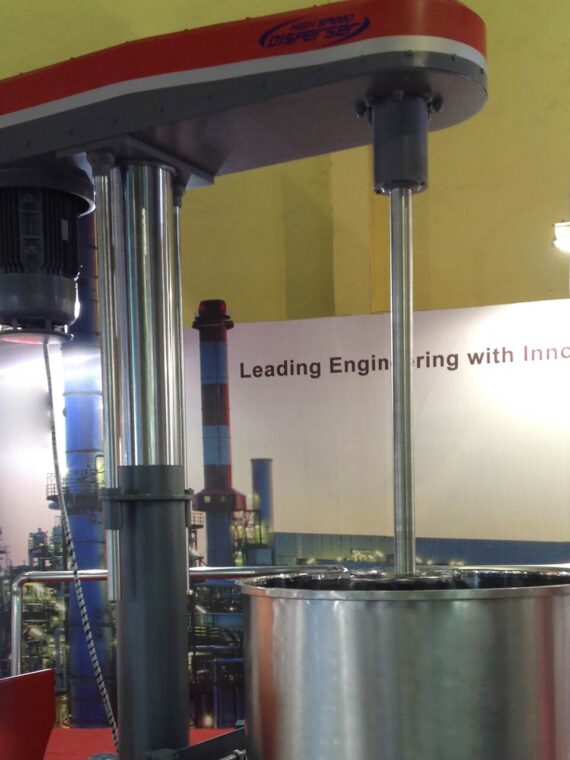
- Mixing and blending systems
- Pasteurization heat exchangers.
- Concentration process evaporators.
- Spray powder-producing dryers.
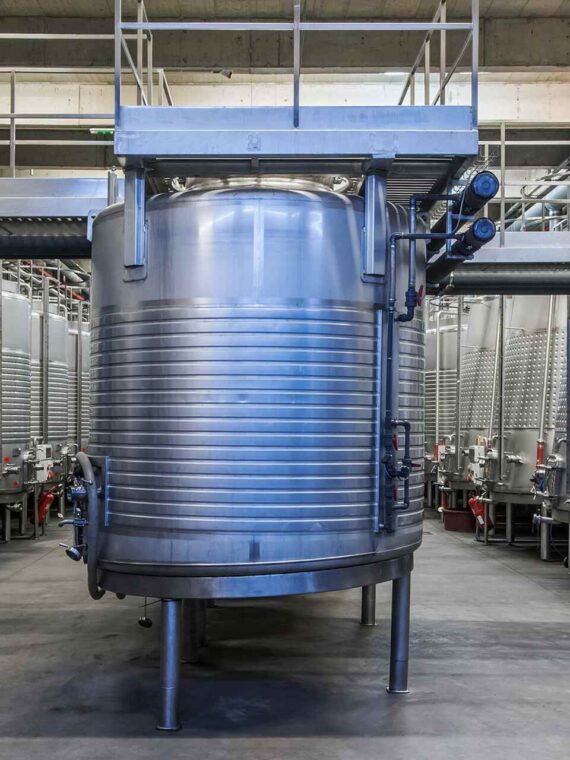
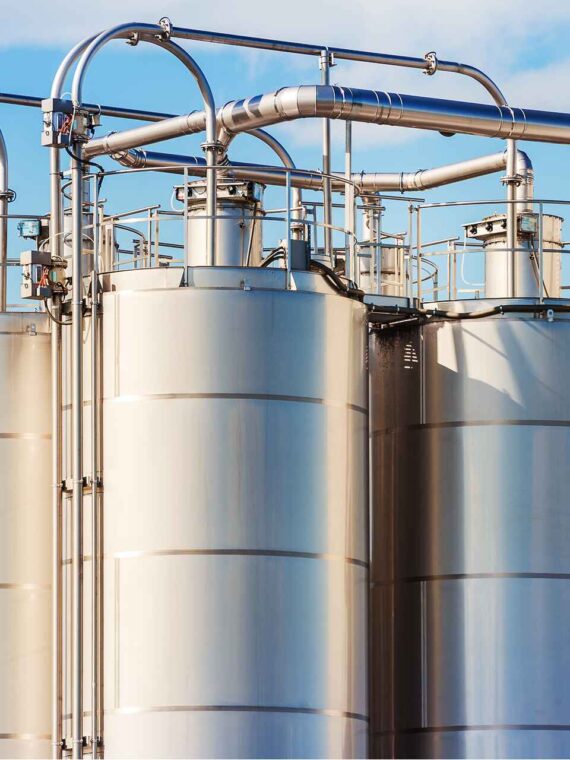
- Ingredients and finished product storage tanks.
Dairy, beverage, and ingredient production plants have been utilizing food-grade stainless steel process equipment.
You may also like: Fmcg Equipment Sales In The Netherlands
Production of Pharmaceutical and Biotechnology
The pharmaceutical and biotechnology industry of the Netherlands is also a robust sector requiring a high level of accuracy and sterility.
The pharmaceutical manufacturing process entails complicated measures in terms of fermentation, purification, and sterile formulation.
Machines that are frequently in the pharma production process are:
- Bioreactors and fermenters
- Sterile storage vessels
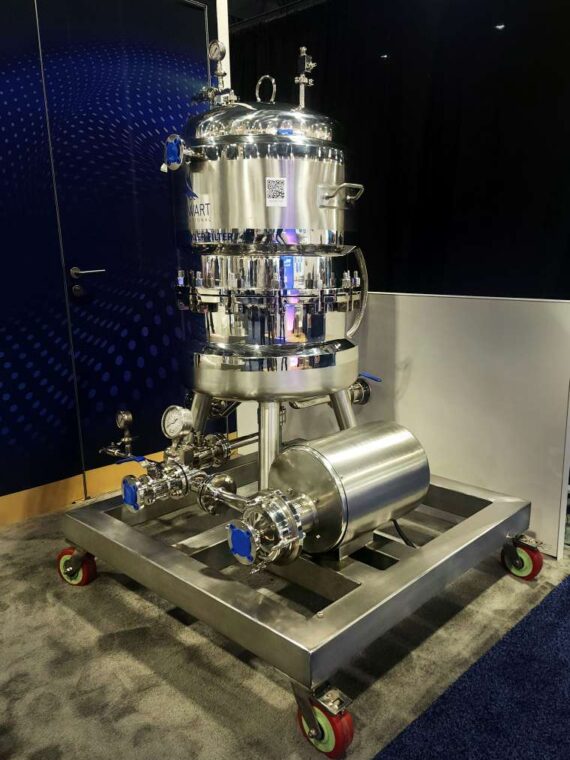
- Filtration systems
- Chromatography systems
- Cleanroom quality processing equipment.
Due to high standards of regulation, pharmaceutical equipment should conform to high-quality fabrication and material standards.
Equipment for Heat Transfer and Separation
In every process industry, heat transfer and separation technologies are necessary.
During production, temperature, filtration, removal of impurities, condensers, evaporators, and heat exchangers are employed to treat the materials.
Such systems enhance efficiency in the processes and also maintain relevant product quality.
Increasing Demand for High-Quality Equipment
The Netherlands is an industrial country, and the industrial companies are constantly upgrading their industries to achieve productivity and sustainability.
Therefore, there is a continuous high demand for trusted process equipment suppliers.
The manufacturers who are able to manufacture equipment that is durable and has international certifications are usually looked into when it comes to international industrial projects.
You may also like: FMCG Sector in the Netherlands: Food Manufacturing Equipment Trends
Indian Manufacturers have a chance
The Indian manufacturers of industrial process equipment can provide a wide variety of equipment that the European industries use.
Indian companies with skills in fabrication, engineering design, and production of custom equipment can be used in a project in relation to:
- chemical plants
- food processing facilities
- units of pharmaceutical production.
- renewable energy projects
With the changing nature of global supply chains, the manufacturers of Indian equipment are now being acknowledged as providing high-quality equipment along with competitive manufacturing benefits.
Conclusion
The Dutch process industry is dependent on sophisticated machinery to aid in the production of chemicals, food, and pharmaceuticals.
Reactors, heat exchangers, and pressure vessels, as well as mixing systems, have to be designed with high precision to ensure efficiency and safety.
In the case of the Indian process equipment manufacturers, the knowledge of the equipment utilized in these industries is a good indicator of the possibility of exporting and future international partnerships.
Due to the persistence of industrial development and the concern of sustainability, the need to have quality providers of process equipment will keep increasing globally.
FAQs
1. What process equipment is commonly used in the Netherlands’ industries?
The Netherlands uses advanced process equipment like reactors, heat exchangers, filtration systems, mixers, and automated packaging lines across chemical, food, and pharma sectors.
2. What standards must Indian manufacturers meet to export equipment to the Netherlands?
Indian manufacturers must comply with EU regulations such as CE marking, product safety laws, and technical documentation requirements.
3. Is CE marking mandatory for process equipment in the Netherlands?
Yes, many industrial and mechanical products require CE marking to prove compliance with EU safety, health, and environmental standards.
4. What is REACH compliance and why is it important?
REACH (Registration, Evaluation, Authorisation and Restriction of Chemicals) regulates chemical safety in the EU and is mandatory for companies dealing with chemical substances.
5. Do Indian manufacturers need an EU representative?
Yes, non-EU manufacturers often need an authorized EU representative to ensure compliance and act as a regulatory contact.