
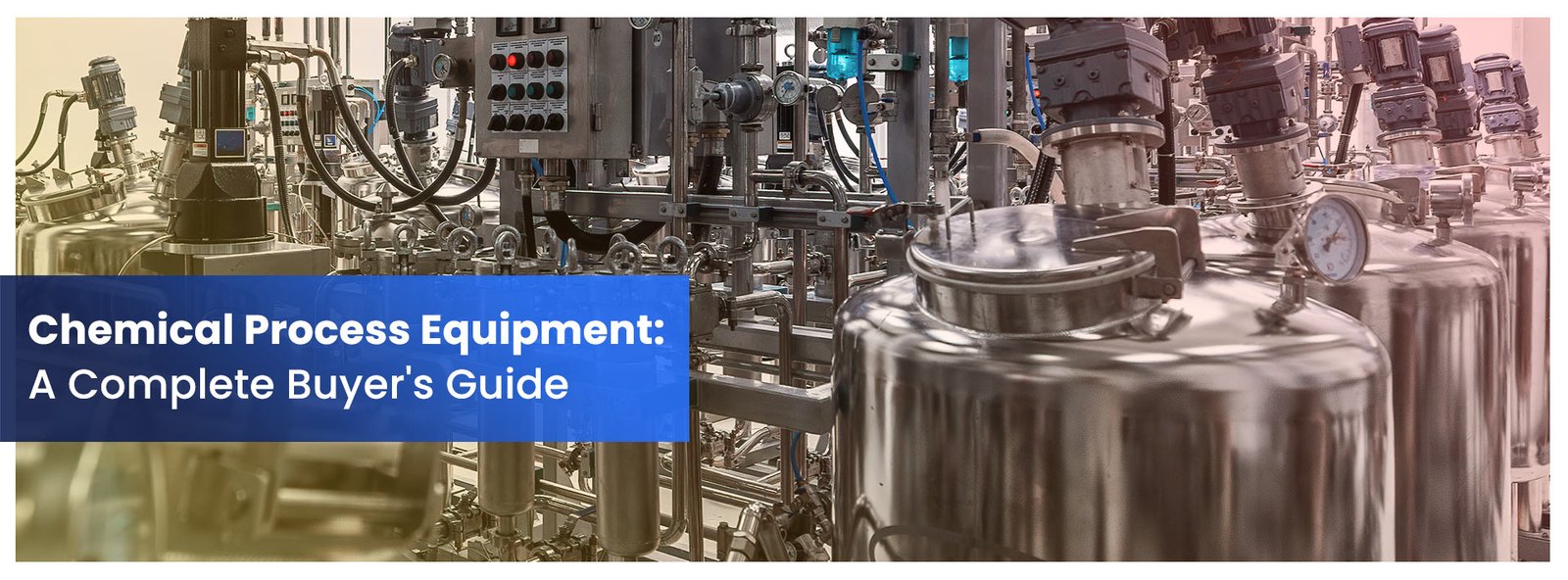
Chemical Process Equipment: A Complete Buyer’s Guide
Buying chemical process equipment is among the most important investments a plant manager, EPC contractor, or process engineer can make. A single reactor, heat exchanger, or vessel can easily cost six or seven figures. The metallurgy, construction, and regulatory documentation of such equipment directly influence the plant’s performance and safety for the following two decades.
Below are some of the most important considerations when purchasing chemical equipment, with a focus on international buyers.
What Is Chemical Process Equipment?
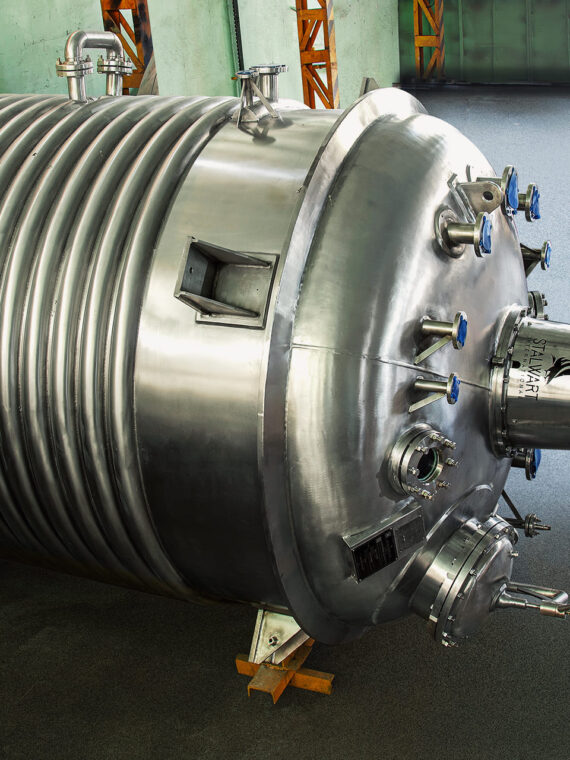
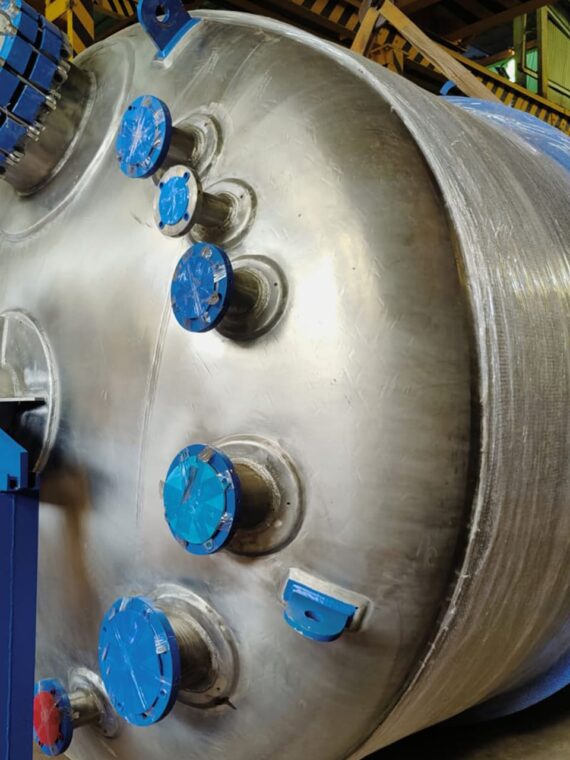
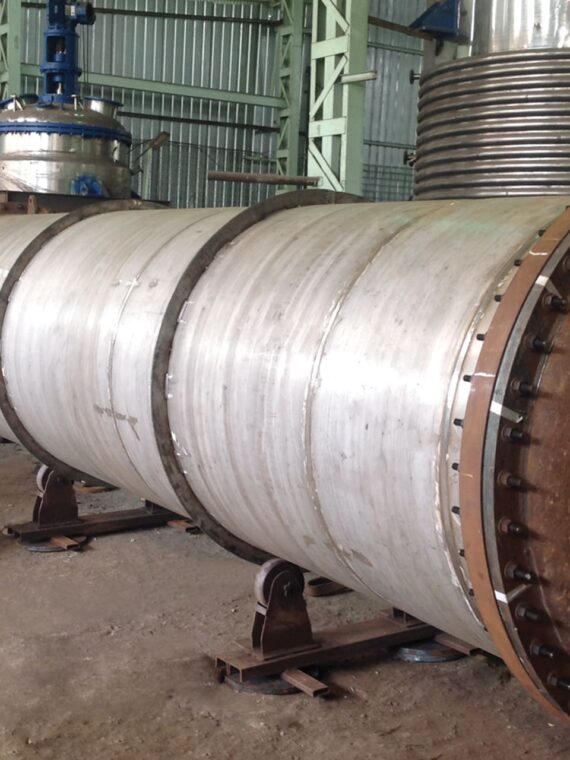
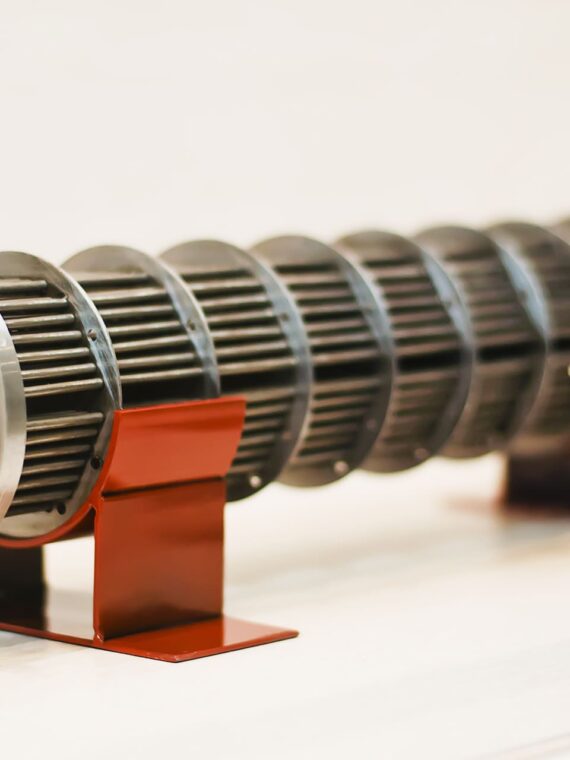
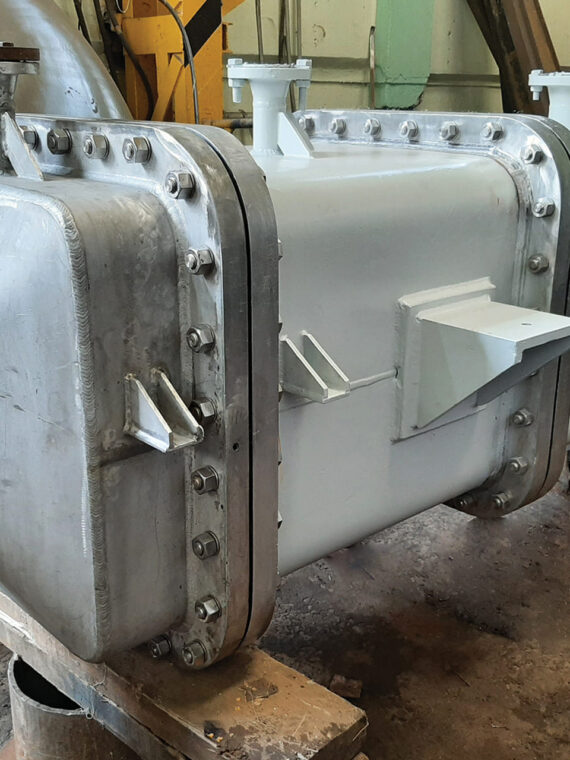
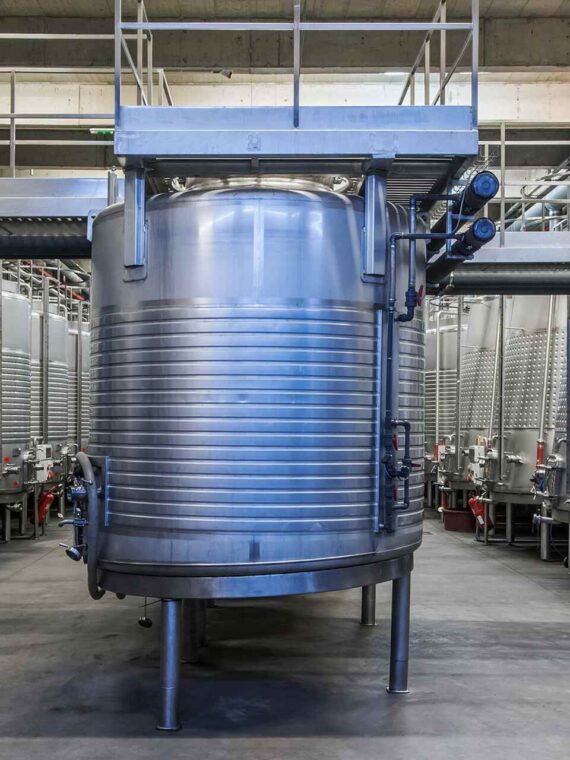
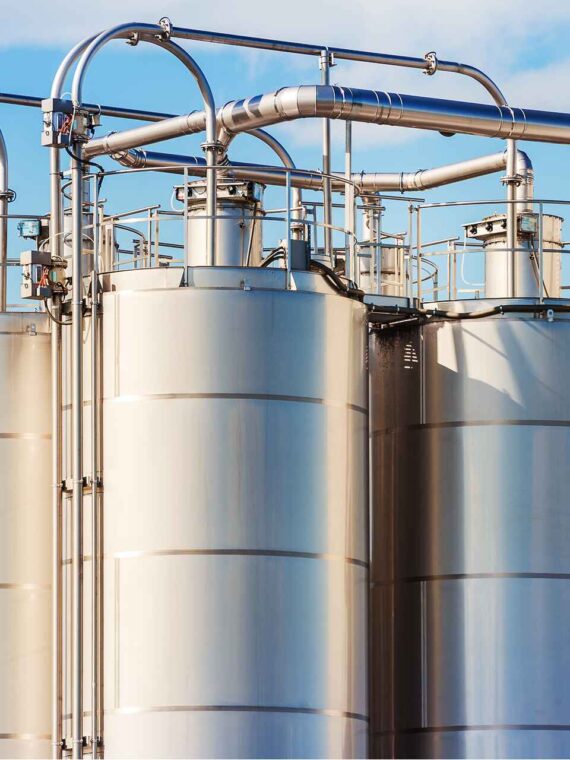
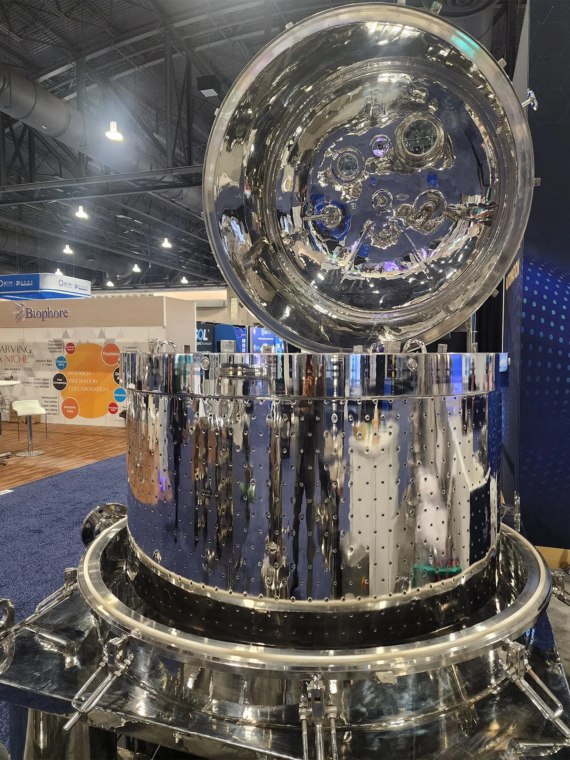
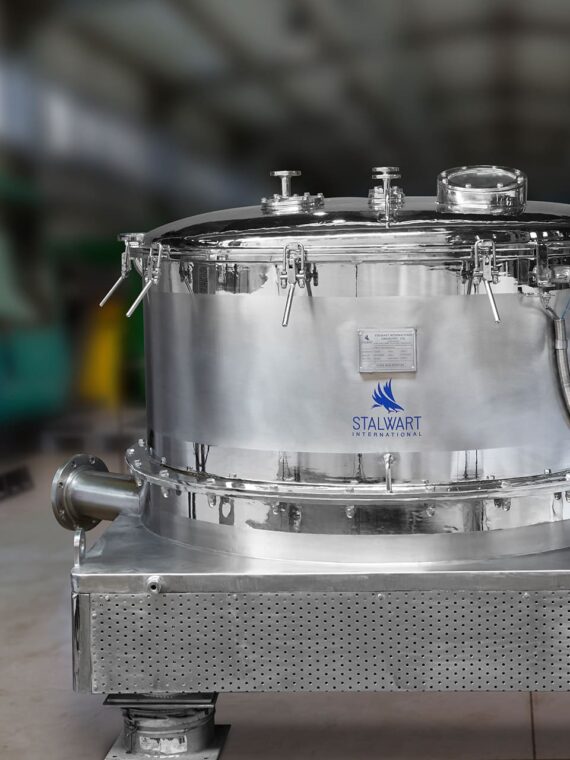
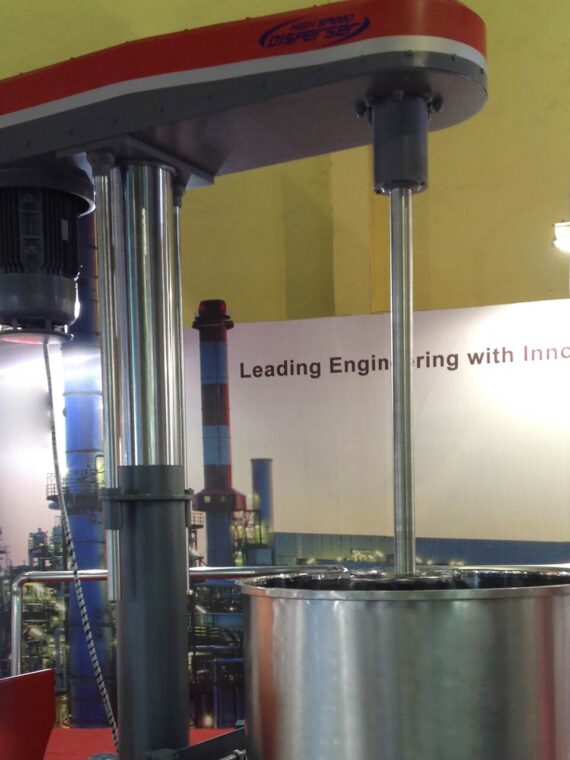
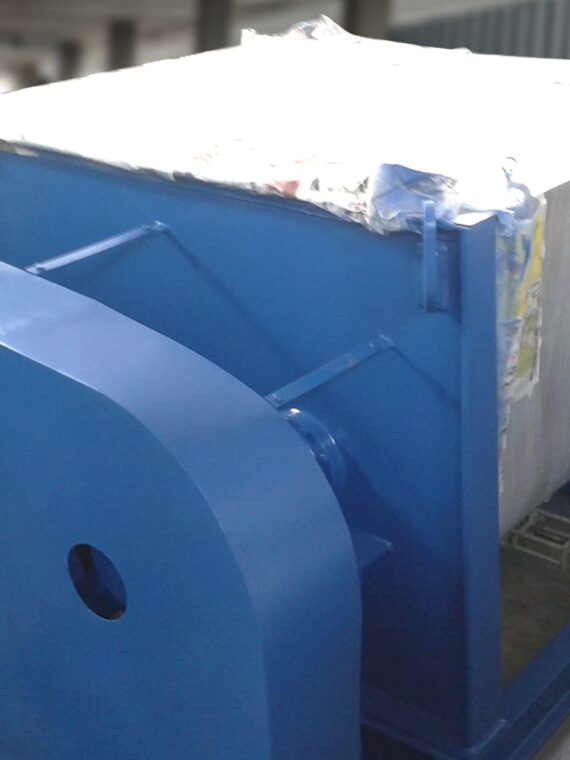
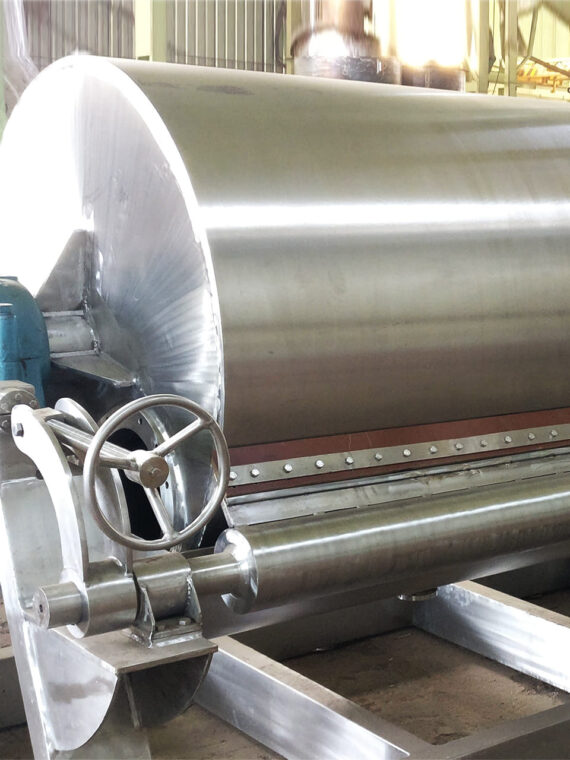
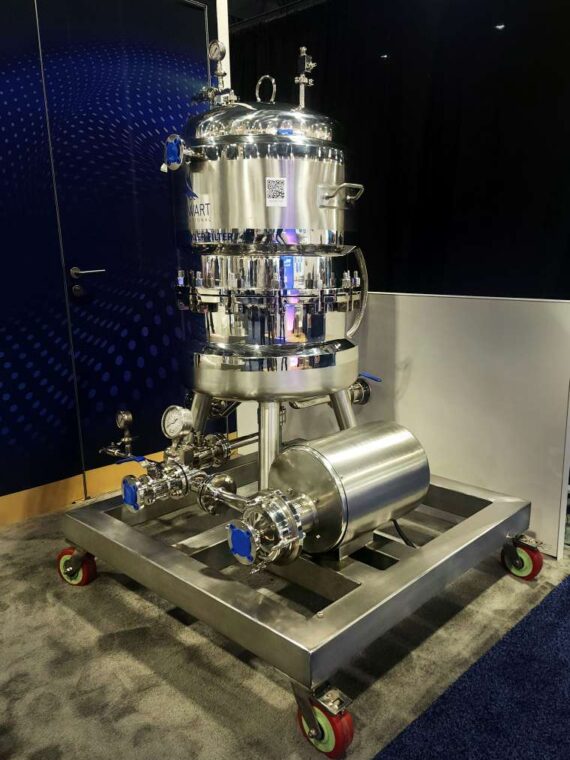
Pressure vessels and reactors, heat exchangers, distillation towers of various designs like shell and tube, plate, or air cooled, agitators, mixers, storage and blending tanks, filtrations, centrifuges, and similar equipment fall under this category. All these devices feature standard high-pressure and high-temperature resistant properties because of the aggressive nature of the fluids they host.
Why Equipment Selection Is Not a Commodity Purchase
Unlike generic industrial machinery, chemical process equipment requires a buyer to have a thorough understanding of the specifications and operating conditions for which it is intended. In practice, this means that a reactor vessel purchased on the basis of a general arrangement drawing has a far greater chance of performing reliably over the long term compared to a similar vessel bought on a turnkey basis without a detailed review of the design specifications. The importance of this cannot be overstated, as many buyers who think of the procurement of chemical process equipment as a commodity purchase end up facing equipment failure, regulatory non-compliance, and/or denied insurance claims.
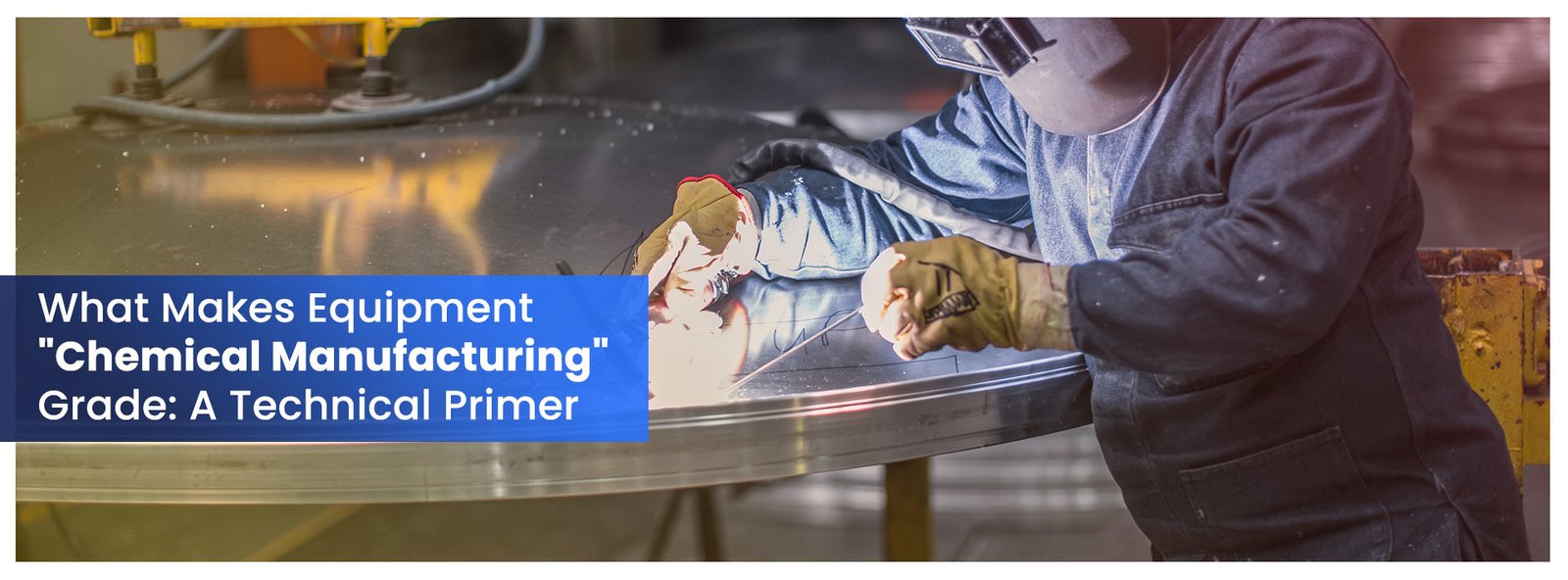
What Makes Equipment “Chemical Manufacturing” Grade: A Technical Primer
Key Evaluation Criteria for Buyers
1. Material of construction:
The medium being processed defines metallurgy. Stainless steels 304, 316L, 317L, duplex and super-duplex, Hastelloy, titanium, or glass-lined carbon steel – each resists a particular set of acids, chlorides, and temperatures. A competent vendor will advise which material to choose for a given set of chemical and thermal conditions.
2. Design codes:
Ask if the equipment is designed per ASME Section VIII, TEMA, PED (for the European Union), API standards – or other industry-specific requirements. Compliance with design codes signifies that the equipment was fabricated using tried, tested, and technically validated standards.
3. Quality of fabrication:
A pressure vessel, exchanger, or any high-pressure/temperatures component requires non-destructive evaluation (NDE) – radiography, ultrasonic, or dye penetrant testing – and hydrotest done according to applicable codes. Always request a copy of the actual NDE reports and hydrotest certificates.
4. Welding procedures:
Vessels and exchangers subjected to high pressure or operating with hydrogen, at elevated temperatures, or both – may require post-weld heat treatment (PWHT). Always ask for a welder’s qualification records. This will ensure that the welding procedures match the requirements of the application.
5. The data book:
It is a must to obtain a complete set of design documents, including material test certificates (MTCs), NDE and hydro-test reports, and drawings for the equipment. It is needed to register the equipment with authorities and insurers and to plan maintenance activities downstream. Failure to provide such data is often the reason why many projects face commissioning delays.
6. Experience with exports:
If your company is located outside the country of fabrication, ask the manufacturer about their experience with packing equipment for transportation and any special requirements (i.e., CE, PED, or other certifications). A manufacturer that has worked extensively with export shipments will have extensive knowledge of the intricacies of getting equipment across borders.
Total Cost of Ownership Is Frequently Higher Than the Purchase Price
Many buyers fall into the trap of only comparing initial costs when selecting manufacturing partners. One must always analyze the total cost of ownership across the equipment’s lifecycle. How much will it cost to maintain the asset, and how easy is it to do that? How much does it cost to replace a given vessel, exchanger, or agitator? What is the expected rate and cost of unplanned downtime? All of these parameters matter. Equipment priced 10–15% higher but built with a more appropriate material grade or a more conservative corrosion allowance frequently costs less over a fifteen-year horizon. A higher initial cost but a longer service interval, or a higher grade of material chosen for a shorter service life than usual (15 years instead of 20, for example) can make an asset much more cost-effective over time.
Working With International Suppliers
The international supplier base has grown substantially as manufacturers outside the traditional supply chain have invested in ASME- and PED-certified equipment. Among the benefits are competitive pricing, more design options at a given budget level, and faster delivery on certain vessel classes, but buyers need to ask penetrating questions in order to fully benefit from the competition. To what welding and QA standards is the shop certified as a third party? Have they exported similar products to my target region before? What change control procedures do they have in place because of the inevitable design changes that occur during fabrication, especially when time zone differences interfere with communication?
A pre-qualification visit or independent inspection service survey before the big order is a worthwhile expense for most purchasing organizations.
Final Checklist Before You Order
Confirm with the supplier that the design code, its edition, required material certifications, applicable NDT, hydro test pressure and hold time frame, painting specifications, export packing standard, and full documents delivery list are all explicitly stated in the PO. Not as an afterthought during conversations but as line items in the official contract.
After all, chemical process equipment is a long-term investment. Getting the specification and supplier evaluation right at the beginning is your best chance at project success.
FAQs
What is chemical process equipment?
Chemical process equipment includes reactors, pressure vessels, heat exchangers, distillation columns, agitators, mixers, storage tanks, filtration systems, centrifuges, and other equipment used to process, store, heat, cool, or separate chemicals.
How do I choose the right chemical process equipment?
Consider the process conditions, operating pressure and temperature, chemical compatibility, material of construction, applicable design codes, fabrication quality, maintenance requirements, documentation, and total cost of ownership.
What materials are commonly used for chemical process equipment?
Common materials include stainless steel 304 and 316L, 317L, duplex and super-duplex stainless steels, Hastelloy, titanium, and glass-lined carbon steel. The correct material depends on the chemicals, temperature, pressure, corrosion risk, and operating conditions.
Which design codes apply to chemical process equipment?
Depending on the equipment and destination, applicable standards may include ASME Section VIII, TEMA, PED, API standards, and other industry-specific codes. The required code should be established during the specification and procurement stage.
What quality checks should I request from a chemical equipment manufacturer?
Buyers should request applicable non-destructive examination (NDE) records, hydrotest certificates, material test certificates, welding qualification documentation, inspection records, and final equipment drawings.
What is a data book for chemical process equipment?
A data book is the complete documentation package supplied with the equipment. It can include drawings, material test certificates, NDE reports, hydrotest records, welding documentation, inspection reports, and other required compliance documents.
Why is material selection important for chemical process equipment?
Incorrect metallurgy can lead to corrosion, premature equipment failure, contamination, leakage, and increased maintenance costs. Material selection should be based on the chemical composition and actual operating conditions.
What is the total cost of ownership of chemical process equipment?
Total cost of ownership includes the purchase price plus installation, maintenance, spare parts, energy or operating costs, inspections, repairs, downtime, replacement costs, and expected service life.
What should I consider when buying chemical equipment from an international supplier?
Evaluate the supplier’s experience with exports, relevant certifications, manufacturing and QA procedures, packing and transportation practices, inspection capabilities, documentation standards, and experience supplying equipment to your target region.
What should be included in a chemical process equipment purchase order?
The purchase order should clearly specify the design code and edition, materials and certifications, NDE requirements, hydrotest pressure and hold time, welding requirements, painting specifications, export packing standards, inspection requirements, and the complete documentation deliverables.