
What Makes Equipment “Chemical Manufacturing” Grade? Technical Notes
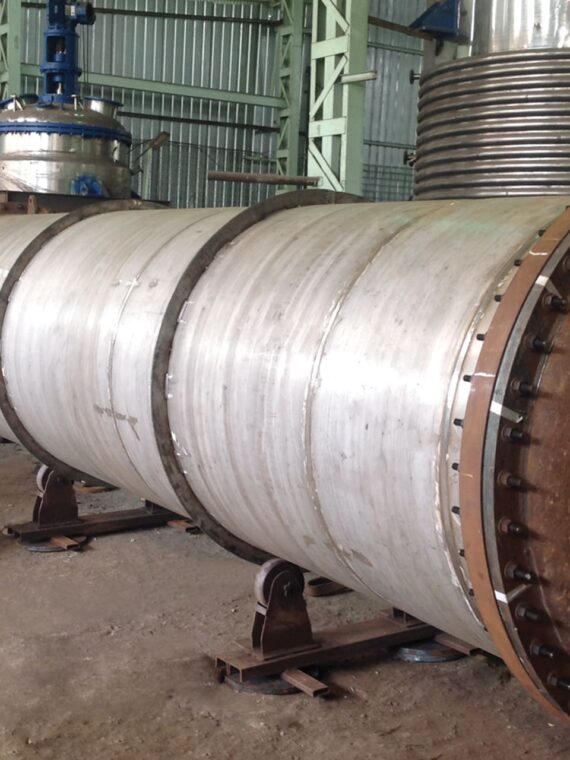
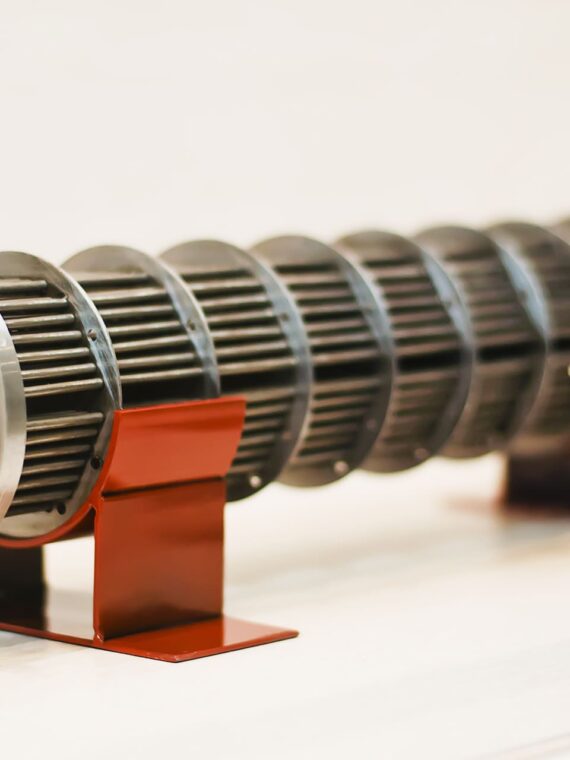
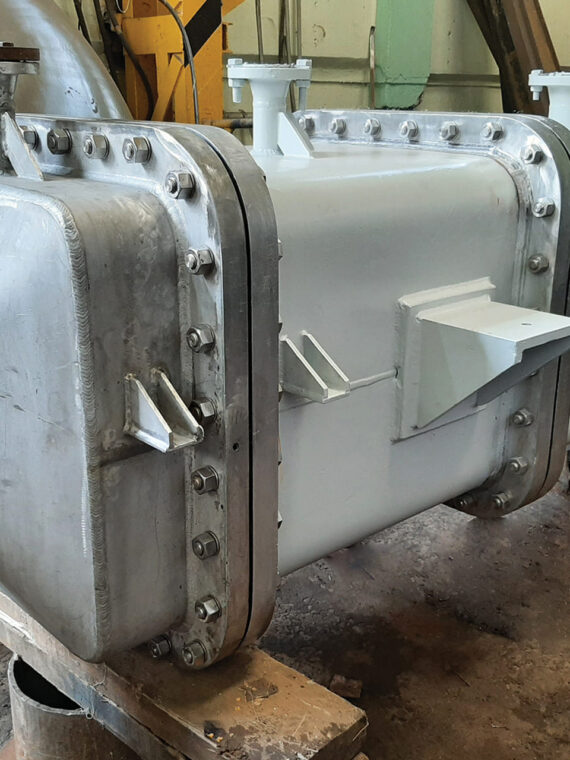
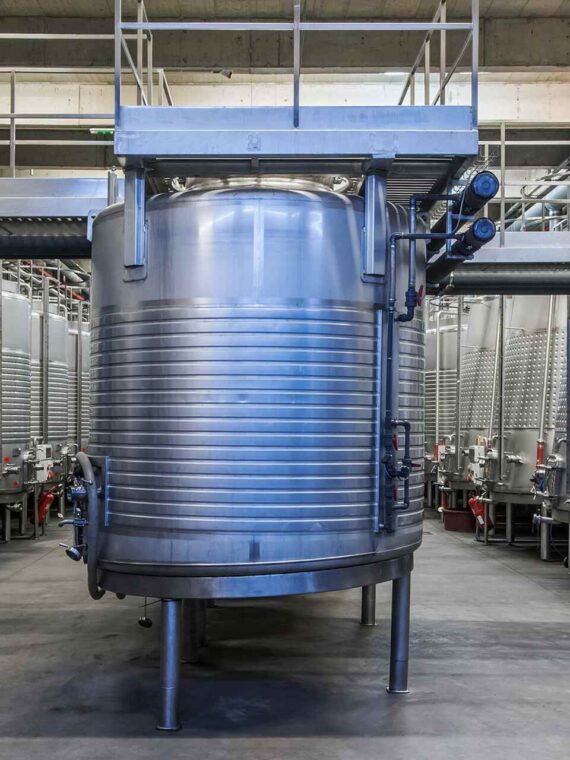
While the phrase “chemical manufacturing grade” can be found in numerous supplier catalogues or RFQs, this term actually refers to a specific set of engineering requirements. Equipment that requires chemical-grade fabrication is exposed to significantly more aggressive operating environments than standard industrial machinery. Understanding the difference between the two categories is essential in order to identify chemical manufacturing-grade equipment.
Core Differences
The main reason why most industrial machines do not operate under the same environment as chemical production equipment is because of the nature of the medium that flows through them. In the majority of cases, standard equipment is exposed to a particular set of parameters. In contrast, chemical manufacturing machines need to resist aggressive substances such as acids, chlorides, solvents, and intermediates. These conditions apply both at increased temperatures and pressures, where the impact of chemical exposure is amplified. Additionally, chemical equipment must resist cycles of continuous load and downtime and various impurities that may exist within the medium at any given time.
The Five Pillars of Chemical-Grade Equipment
- Materials selected according to the full expected process envelope, not the ideal case. Chemical grade equipment is specified according to the worst case the vessel is expected to see during normal operation. This means a distillation column that spends 95% of its service life in 316L stainless steel may require a different material of construction for that 5% where a chloride bearing solvent is flushed through the system during cleaning in place.
- Applies a corrosion allowance and design life to the equipment based on the process chemistry. Each piece of chemical grade equipment incorporates a corrosion allowance – the difference between the minimum allowable thickness for the material of construction and the actual thickness used. This is based on the expected design life (10,15, 20 or more years) of the vessel and should be clearly noted in the design calculations for a given vessel.
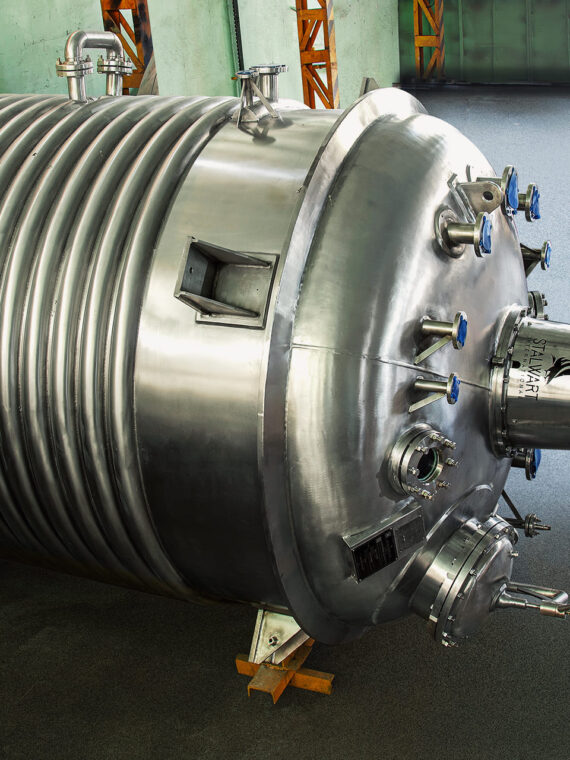
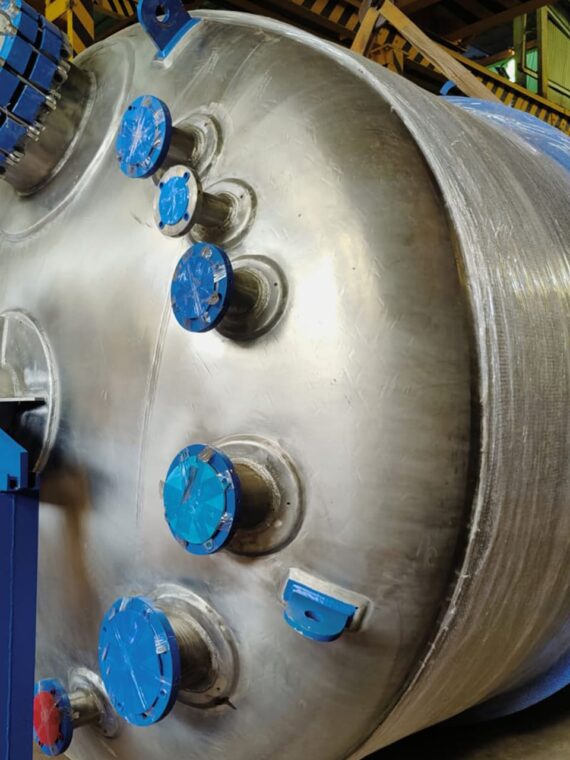
- Welds are done using qualified procedures and post-weld treatments as necessary. The weld itself always has a heat affected zone which may have different corrosion characteristics than the base metal. This is especially true for austenitic stainless steels and other alloys which benefit from pickling or passivation after welding to remove iron oxides and restore the passive layer of chromium oxide. This is a standard practice for chemical grade equipment fabricated in stainless or other high-performance alloys.
- Pressure-containing vessels adhere to code and provide mill certificates for materials used. Equipment fabricated to contain pressure uses design codes such as ASME Section VIII Division 1 or 2 depending on the design pressure and temperature. Chemical grade equipment usually specifies traceability of materials back to the mill certificate so that an inspector can verify that the materials used in a given vessel match what was ordered and paid for.
- Secondary containment, pressure relief devices and instrumentation mounted according to the specified hazard class. Skids and vessels used in chemical manufacturing frequently include secondary containment as a requirement. Rupture disks or pressure vessel relief valves are sized to the scenario they are expected to handle while instrument tapping is placed according to the instrumentation philosophy of the client (rather than a generic set of rules).
Common Grades and Where They’re Used
Carbon steel with a corrosion allowance and protective liner is frequently used for non-aggressive solvents. It provides good value for money in a relatively benign environment. 304 and 316L stainless steel are ubiquitous in a broad range of chemical processing equipment. Duplex and super duplex stainless steels are used in more highly corrosive environments such as process water with higher chloride content or in environments where stress corrosion cracking is a concern. Alloys such as Hastelloy and other nickel based alloys are used in the most severe acidic environments or where metal contamination must be kept to an absolute minimum. Titanium is sometimes used in highly oxidative processes where other metals would react too quickly, such as in strongly acidic bleach.
Importance to Importers and Buyers in Particular
When dealing with equipment that crosses borders, the buyer must rely more on the documentation, procedure and specification provided by the manufacturer as the only means of judging the quality of work being performed. That is why adherence to standards and the inclusion of information in documentation such as material test certificates, non-destructive testing reports and PED/CE certification in particular can be more important than any local inspection of the equipment itself.
What questions should a foreign buyer ask when seeking chemical manufacturing grade equipment?
Ask to see welding procedures relevant to the alloys being welded. Ask to see the calculation basis for the corrosion allowance. Ask about passivation procedures if applicable. Ask to see what code the vessel is built to and if it includes a design life. A foreign buyer should have a good sense of what these documents should say – someone who can provide them is likely to be providing chemical manufacturing grade equipment; someone who can’t may not actually know what they are doing.
The Bottom Line
What does “chemical manufacturing grade” really mean in terms of specifications? “Chemical manufacturing grade equipment” is a set of common-sense design practices which take into account the harsh and particular environments of chemical processing and adhere to recognized safety and quality standards. Understanding these principles helps foreign buyers to get the most value for their money from chemical manufacturing equipment while avoiding under-specified equipment economy components being sold at a premium.
FAQs
What does chemical manufacturing grade mean?
Chemical manufacturing grade refers to equipment designed and fabricated to safely handle the demanding conditions found in chemical processing, including corrosive chemicals, high temperatures, pressure, and repeated operating cycles.
What materials are commonly used in chemical manufacturing equipment?
Common materials include carbon steel, 304 and 316L stainless steel, duplex and super duplex stainless steels, nickel-based alloys such as Hastelloy, and titanium. The right material depends on the chemicals, temperature, pressure, and operating conditions.
Why is corrosion allowance important in chemical manufacturing equipment?
Corrosion allowance provides additional material thickness to account for expected metal loss during the equipment’s design life. It helps ensure that vessels and other equipment remain safe and functional over many years of operation.
What standards apply to chemical manufacturing equipment?
Pressure-containing equipment may be designed according to recognized standards such as ASME Section VIII Division 1 or Division 2. Depending on the location and application, other requirements such as PED, CE marking, and applicable local standards may also apply.
Why are welding procedures important for chemical manufacturing equipment?
Welding can affect the corrosion resistance and mechanical properties of metals, particularly stainless steels and high-performance alloys. Qualified welding procedures and appropriate post-weld treatments help maintain equipment integrity.
What is passivation and why is it used?
Passivation is a treatment used on suitable stainless steel surfaces to help restore their protective passive layer after fabrication or welding. It can improve corrosion resistance and reduce surface contamination.
What documents should buyers request from a chemical equipment manufacturer?
Buyers should consider requesting material test certificates, welding procedure documentation, inspection and non-destructive testing reports, design calculations, corrosion allowance information, pressure-test records, and applicable certification such as PED or CE documentation.
How do I choose the right material for chemical manufacturing equipment?
Material selection should consider the complete process envelope, including chemical composition, concentration, temperature, pressure, chlorides, cleaning processes, impurities, and expected equipment life. The most demanding normal operating condition should be considered rather than only the ideal process condition.
Is stainless steel always suitable for chemical manufacturing equipment?
No. While 304 and 316L stainless steel are widely used, they are not suitable for every chemical environment. Highly corrosive applications may require duplex stainless steel, nickel-based alloys, titanium, or another specialized material.
What should foreign buyers check before purchasing chemical manufacturing equipment?
Foreign buyers should verify the equipment’s material specifications, design code, corrosion allowance, welding procedures, inspection documentation, material traceability, pressure testing, and applicable certifications. Reviewing these documents can help identify properly engineered equipment and avoid under-specified products.