
For ages now, water has been among the most precious resources available in the Middle East. As much as the Middle East has been endowed with energy sources, the shortage of water sources has been among the most severe cases reported in the world. The growing number of populations, industries, urbanization, and climate change have put a lot of pressure on existing water sources.
In order to cope with the water scarcity problem, most GCC nations are focusing their attention towards developing the infrastructure required to provide desalinated water sources. Saudi Arabia in particular has been among the world’s biggest proponents of desalination, running some of the world’s biggest desalination plants while spending millions of dollars to develop new ones.
As more and more desalination plant constructions are made in the Middle East region, there has been an increasing need for process equipment.
Understanding the Middle East’s Water Challenge
One region that has some of the world’s countries with the worst freshwater scarcity problems is the Middle East region. Lack of sufficient rainfalls, higher rates of evaporation, and increased water demands have widened the gap between water availability and its use.
Such countries as Saudi Arabia, the United Arab Emirates (UAE), Qatar, Bahrain, and Oman depend on the production of desalinated seawater for domestic, industrial, and agricultural water demands. For some Gulf countries, the use of desalinated water forms a considerable amount of drinking water consumed by citizens.
To maintain their water sustainability, authorities of such countries are developing aggressive measures aimed at water provision.
Why Saudi Arabia Leads Global Desalination Investments
Indeed, Saudi Arabia is becoming one of the major markets for desalination plants globally.
As part of the Vision 2030 program, there are massive investments being made in the Kingdom towards various projects aimed at economic development and increased population. Industrial complexes, urban development projects, mining sites, and manufacturing complexes are among the areas of operation where these investments have been made.
For the provision of water, Saudi Arabia is still increasing its desalination capacity by building massive plants near the Arabian Gulf and Red Sea shores.
A good number of the plants are employing modern RO technology which is more efficient and requires less energy than thermal desalination.
These investments are opening up huge market opportunities for equipment manufacturers.
How Desalination Plants Work
Desalination plants treat seawater to make it fit for human consumption and industrial uses.
Though there are several approaches, modern plants employ a method involving the following stages:
- Seawater collection and pumping
- Pretreatment and filtration
- Reverse osmosis or thermal desalination
- Post-desalination treatment and mineral balance
- Storage and distribution of freshwater
The performance of each stage relies upon equipment specifically engineered to work without interruption in a hostile environment.
Here lies the value of process equipment manufacturers.
Industrial Equipment Used in Desalination Plants
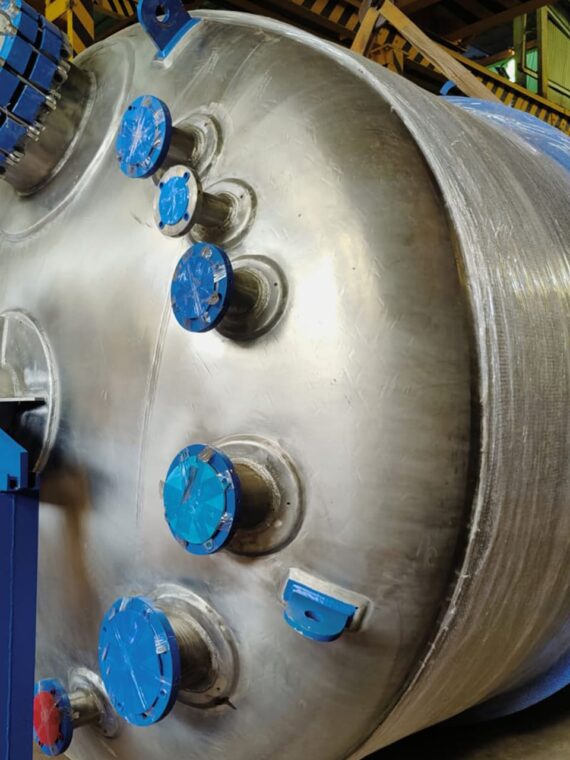
Pressure Vessels
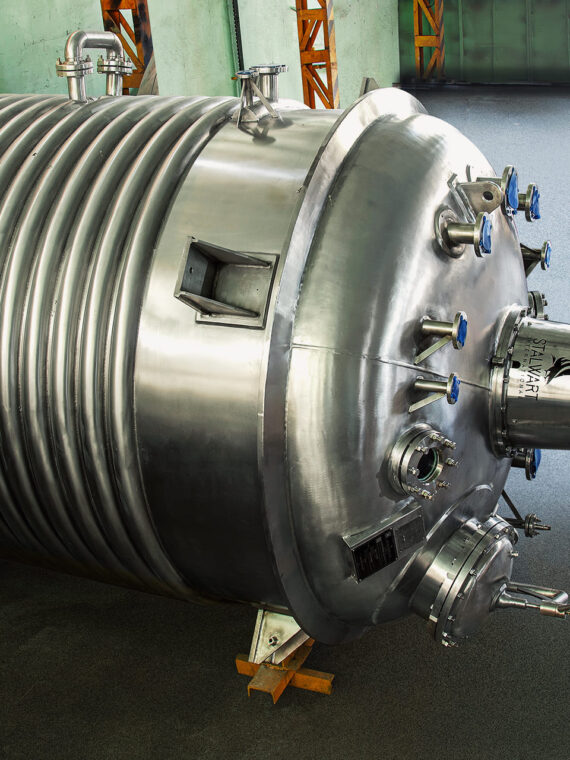
The pressure vessels are among the key pieces of equipment in desalination plants. High-pressure vessels are used in reverse osmosis systems and contain membranes which remove salt and impurities from sea water. Pressure vessels have to be highly durable and safe to operate.
With the increase in size of desalination plants, the market for high-pressure vessels becomes bigger and requires more efficient products.
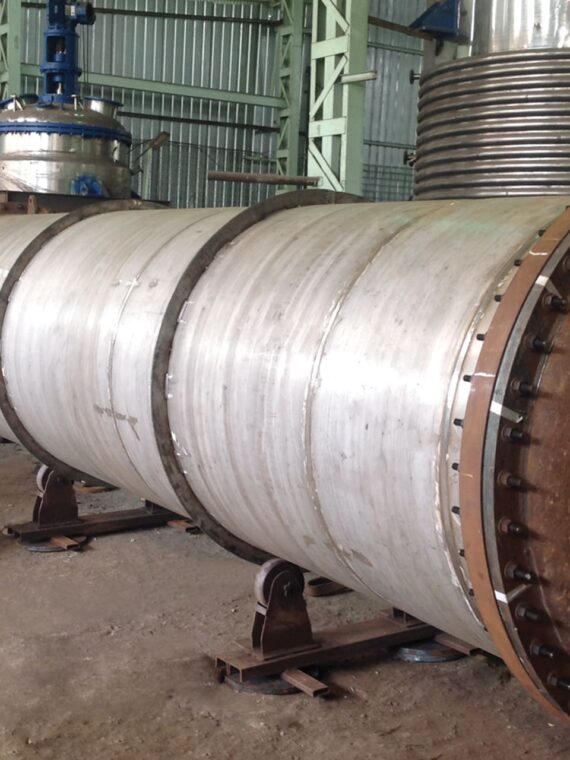
Storage Tanks
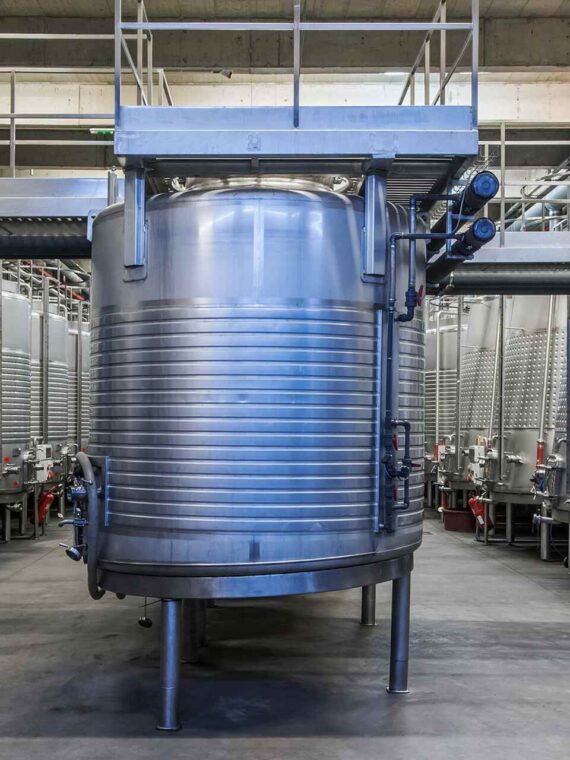
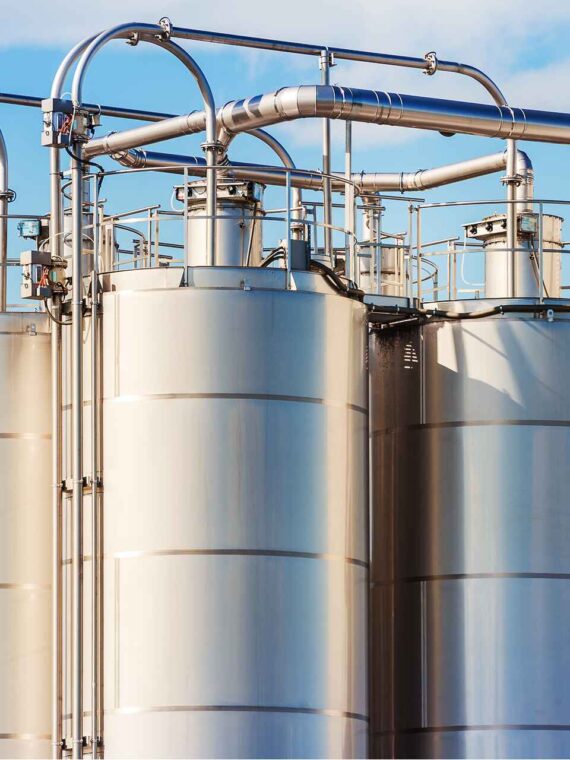
Construction of large scale desalination facilities requires the use of a substantial amount of chemical storage tanks.
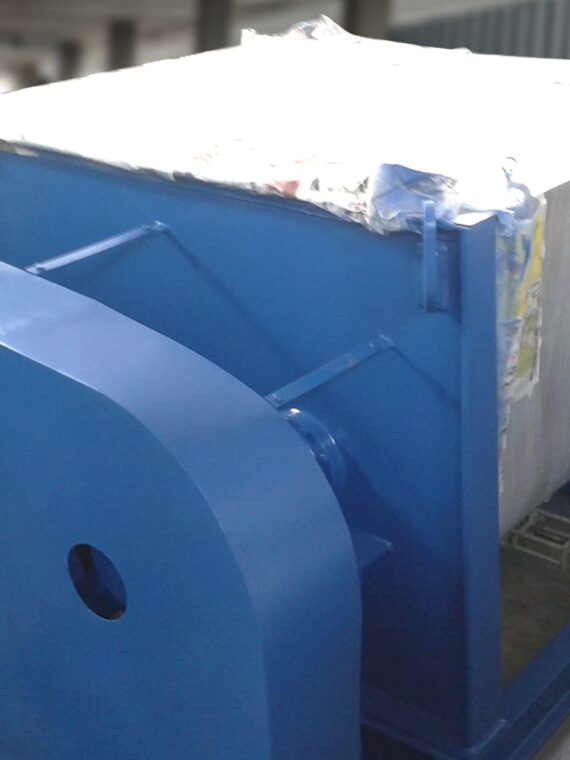
These tanks are used to keep water, chemicals, and other process fluids in the right conditions during operations. Different types of materials can be used when constructing such storage units depending on the purpose of tanks.
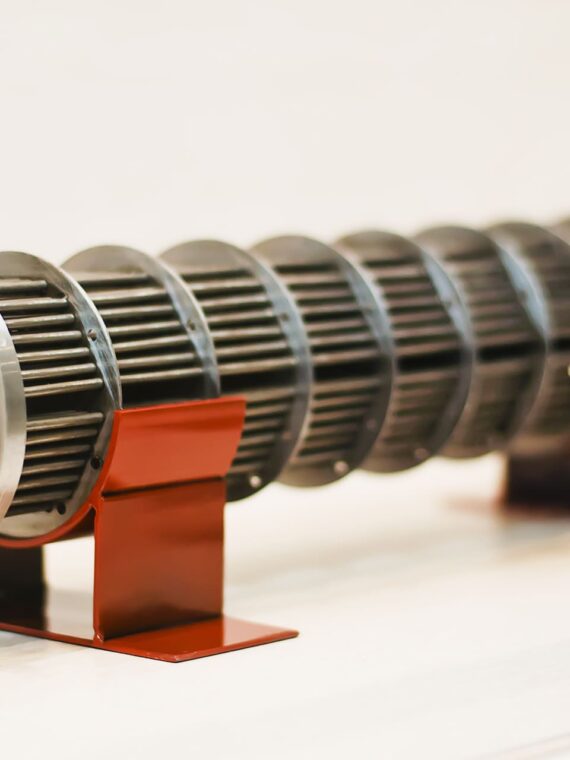
Heat Exchangers
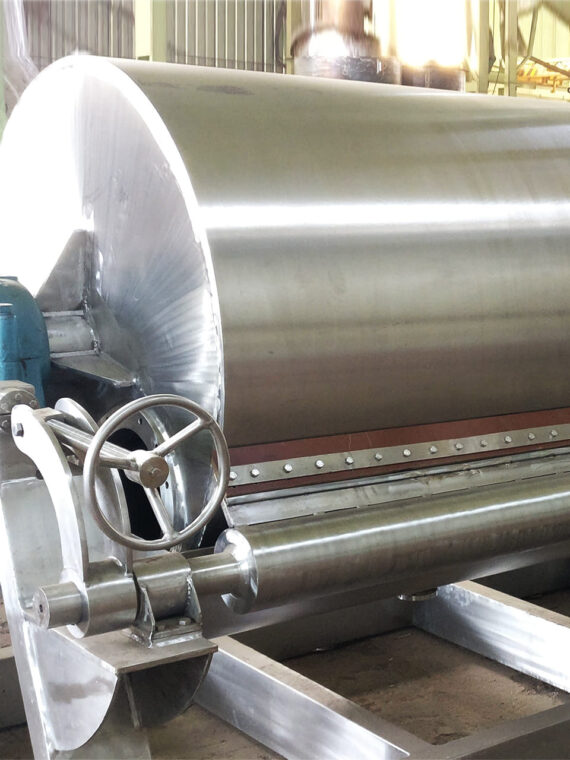
Heat exchangers are essential equipment in thermal desalination facilities as well as other plant utility systems.
This type of equipment helps to control temperatures and increase overall efficiency. There is an anticipated increase in demand for efficient heat exchangers due to the decrease in energy usage.
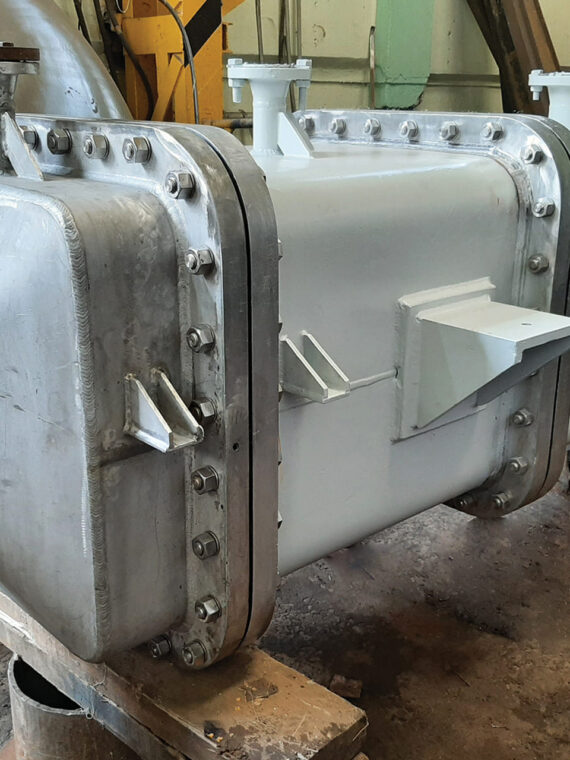
Filtration and Separation Equipment
Seawater used in desalination processes needs thorough pretreatment before being processed through the membranes.
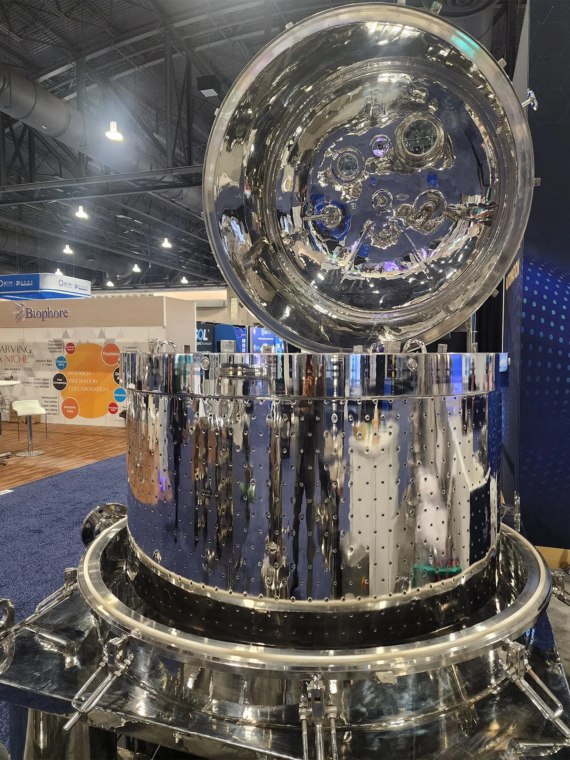
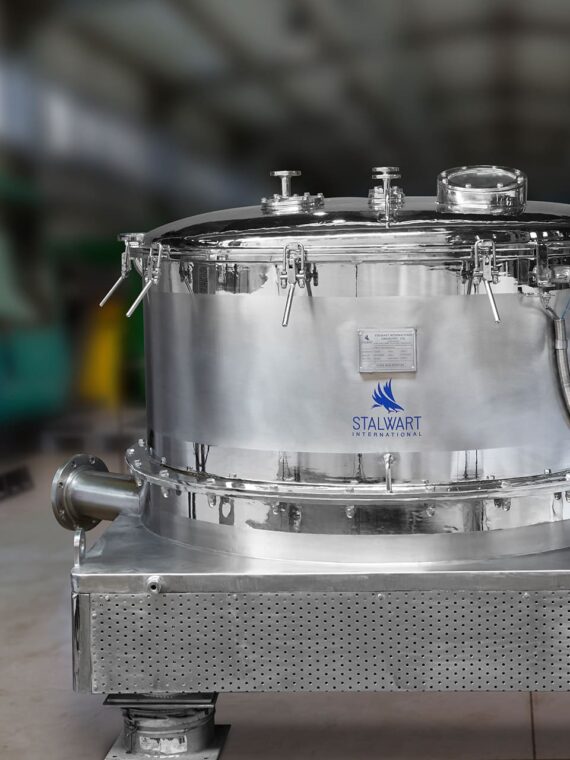
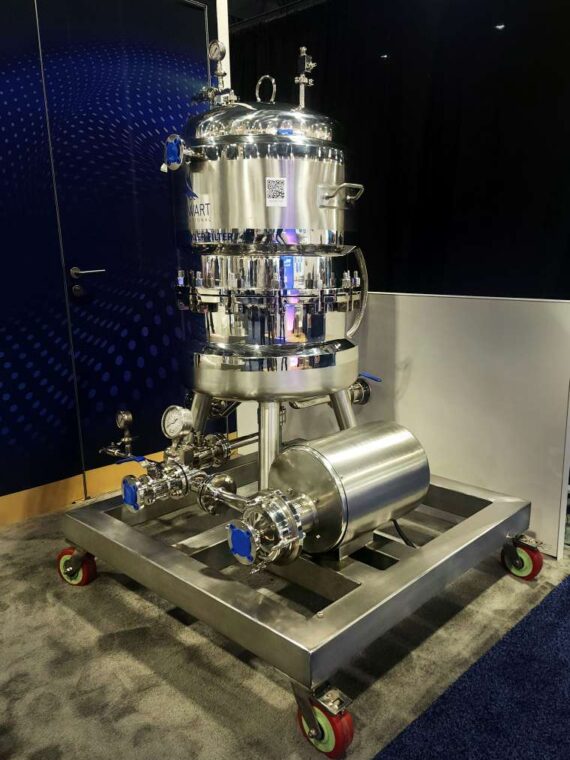
Filtration equipment removes particles that may damage other plant equipment and affect efficiency of operations. Such equipment should be high quality to increase the life of the desalination membranes.
Chemical Processing Equipment
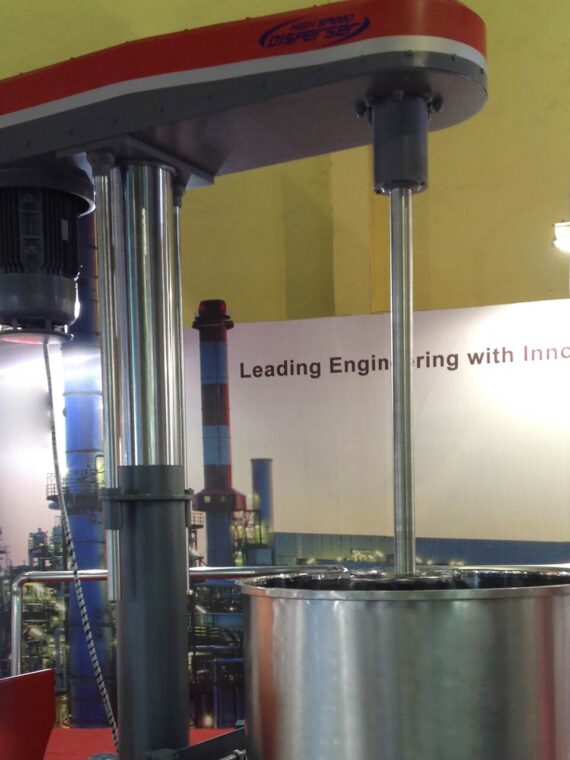
Desalination plants need different types of chemicals in pretreatment, cleaning, and water conditioning operations. Thus, they need equipment like reactors, dosing systems, mixers, and storage tanks.
Pressure Vessels in the Energy Transition: Opportunities Across the Middle East
Why Indian Manufacturers Are Well Positioned
As desalination investments continue across the Middle East, Indian process equipment manufacturers are emerging as preferred suppliers.
India offers several advantages:
Strong Engineering Expertise
Indian manufacturers have decades of experience designing and fabricating equipment for water treatment, chemical processing, power generation, and industrial applications.
Compliance with International Standards
Leading manufacturers comply with globally recognized standards such as ASME, ISO, API, and PED, ensuring equipment meets the requirements of international projects.
Competitive Manufacturing Costs
India provides a significant cost advantage without compromising quality, allowing project developers to optimize capital expenditure.
Geographic Proximity
India’s strategic location enables shorter delivery times and efficient logistics to major Middle Eastern markets, making it an attractive sourcing destination.
Technology Trends Shaping the Future of Desalination
The desalination sector is witnessing constant innovation with operators looking for improvements in terms of efficiency and sustainability.
The main developments include:
Energy-Efficient Processes
Contemporary facilities aim at saving energy by means of modern membrane technology and energy recovery units.
Smart Facilities Monitoring
With digital monitoring and predictive maintenance technologies, the plant reliability is increased while downtime is reduced.
Environmentally Friendly Water Production
There is a growing government interest in investments into desalination technologies that consume less energy and have low impact on the environment.
Such innovations require highly efficient process equipment.
Conclusion
The water crisis in the Middle East has become the impetus for perhaps the greatest ever cycle of infrastructure investments in the region’s history. As governments keep increasing their desalination capacity, the need for machinery used at each of the stages of water treatment is constantly growing.
Pressurized vessels, storage tanks, heat exchangers, filtration units, reactors, and machinery for chemical processes play an increasingly important role in desalination plants’ performance today.
Companies with good engineering skills, international certificates, and high quality products should consider the opportunities offered by the rapidly growing market of desalination equipment.
FAQs
Why is the Middle East facing a water crisis?
The Middle East experiences extremely low rainfall, high evaporation rates, rapid population growth, urbanization, and increasing industrial demand, making freshwater resources scarce.
Why are desalination plants important in the Middle East?
Desalination plants convert seawater into freshwater, providing a reliable water supply for residential, industrial, and agricultural use across Gulf countries.
Why is Saudi Arabia investing heavily in desalination?
Saudi Arabia is expanding desalination capacity under its Vision 2030 initiative to support economic growth, industrial development, and increasing water demand.
What process equipment is used in desalination plants?
Key equipment includes pressure vessels, storage tanks, heat exchangers, filtration systems, reactors, mixers, dosing systems, and chemical processing equipment.
Why is demand for process equipment increasing?
As governments build more desalination plants to address water shortages, demand for reliable, high-performance industrial process equipment continues to grow.
Why do Middle Eastern buyers prefer Indian process equipment manufacturers?
Indian manufacturers offer competitive pricing, strong engineering expertise, international certifications (ASME, ISO, API, PED), and efficient logistics to GCC countries.
What technologies are shaping the future of desalination?
Modern desalination facilities are adopting reverse osmosis (RO), energy recovery systems, smart monitoring, predictive maintenance, and environmentally sustainable technologies.
Which Middle Eastern countries rely most on desalinated water?
Countries such as Saudi Arabia, the UAE, Qatar, Bahrain, and Oman rely heavily on desalinated water to meet their drinking and industrial water requirements.