
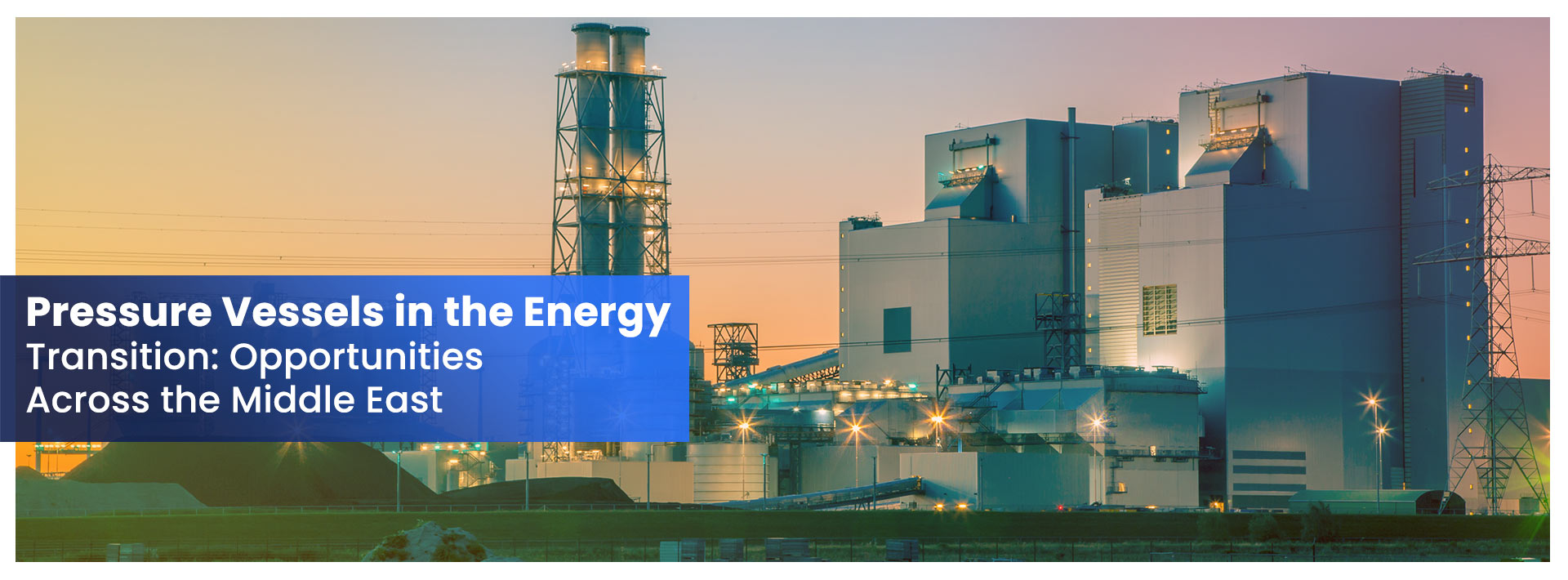
There is currently an unparalleled transformation occurring within the global energy industry. Although traditional energy sources like oil and natural gas remain vital to economic development, recent rapid advancements in fields like hydrogen production, carbon capture, petrochemicals, and clean energy generation have revolutionized industrial processes on a global scale.
No part of the world has been affected by this phenomenon as much as the Middle East. Countries like Saudi Arabia, the UAE, Qatar, Oman, and Kuwait are spending enormous sums of money on building new refineries, natural gas processing units, hydrogen plants, and downstream industries. Amidst all these developments stands a piece of industrial equipment that plays an indispensable role: the pressure vessel.
Pressure vessels have countless applications within hydrocarbon processing and manufacturing. With growing demands for energy projects in the Middle East, the demand for premium-grade ASME-approved pressure vessels is only going to increase in the coming years.
What Are Pressure Vessels?
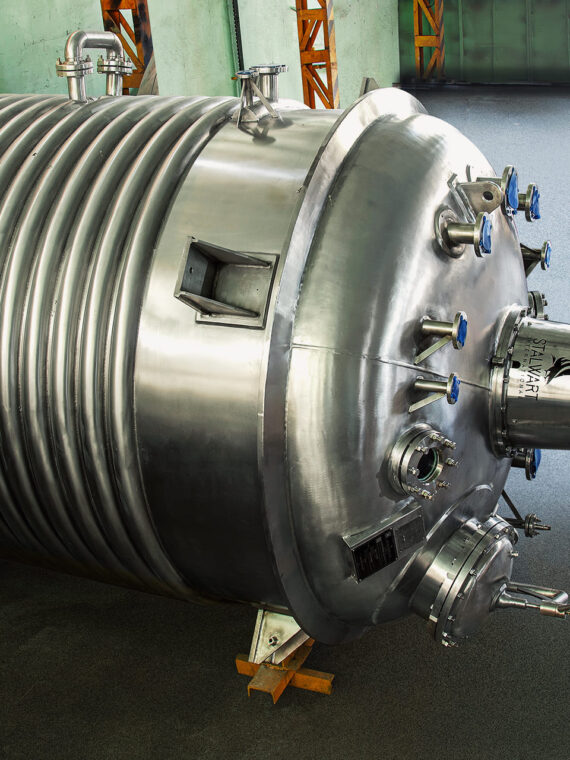
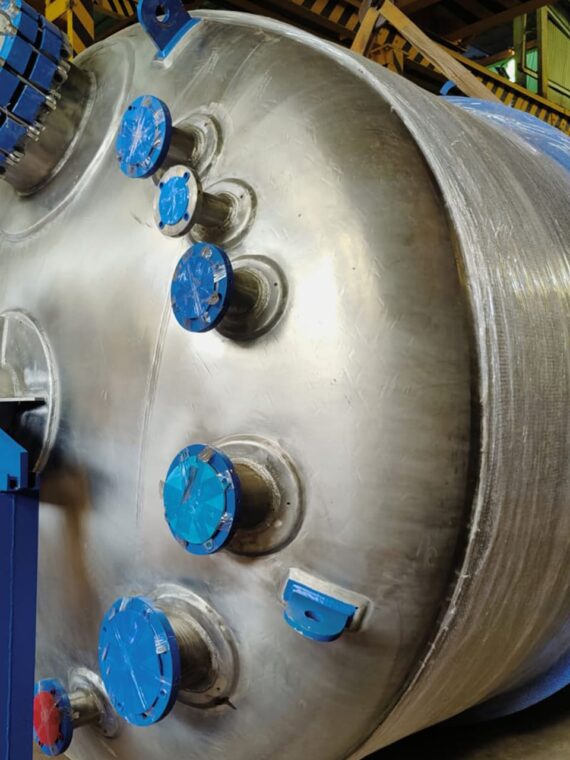
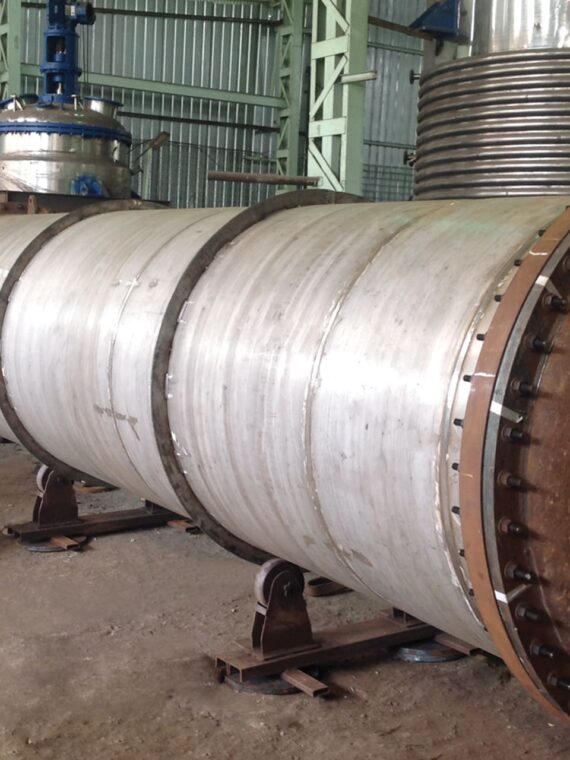
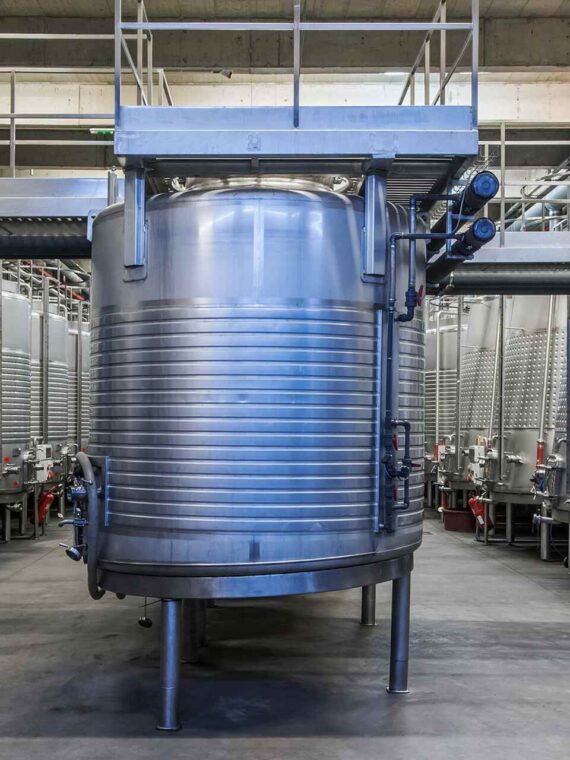
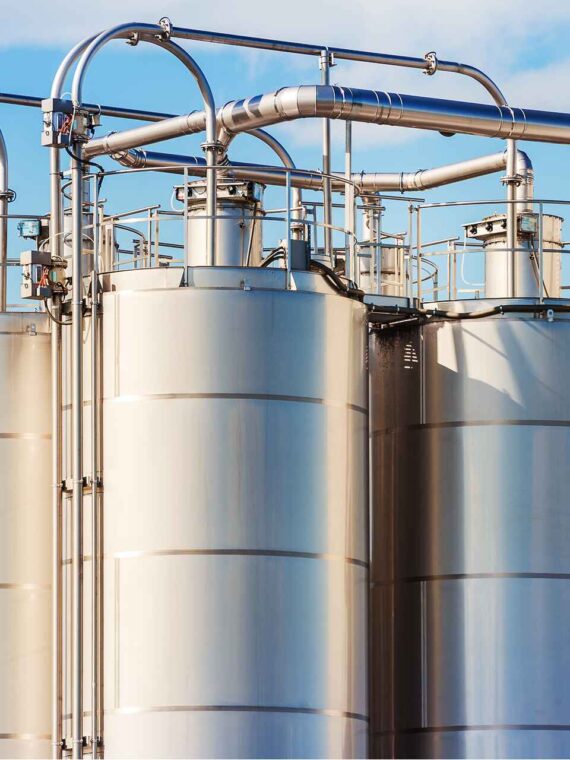
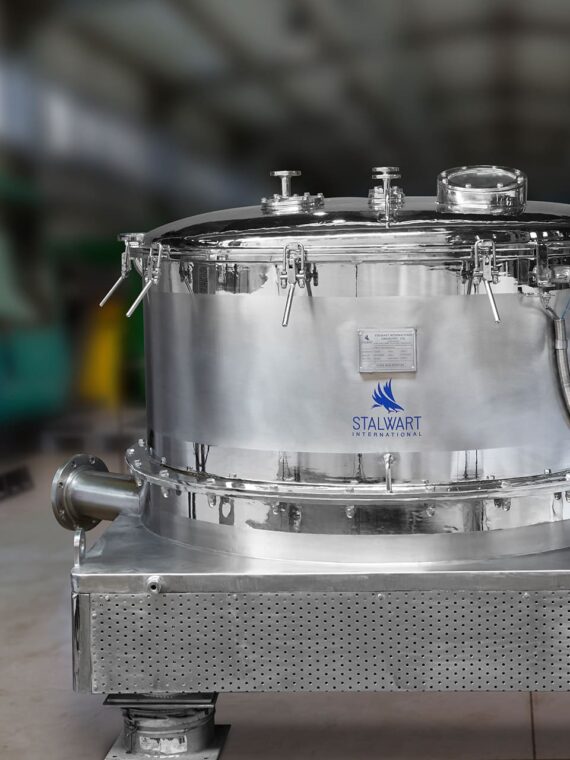
Pressure vessels are containers that are specifically designed to store gases or fluids at pressures higher or lower than the atmospheric pressure. They are made in compliance with engineering guidelines to guarantee efficiency and durability.
Pressure vessels are applied to virtually all heavy industries such as:
- Oil and gas refining
- Petrochemicals manufacture
- Chemical industries
- Power production
- Fertilizers manufacture
- Water purification
- Hydrogen production
- Carbon capture stations
Due to their operation in conditions of high pressure and temperature, pressure vessels should be precisely designed, fabricated, tested, and approved according to international guidelines.
Why Pressure Vessels Are Becoming More Important
The demand for pressure vessels no longer emanates from the oil and gas sector alone; new sources of demand have arisen due to technological innovations within the new energy sector.
With the shift toward energy diversification and decarbonization policies being enacted across the world, the use of pressure vessels is now more critical than ever before in conventional and new energy installations.
Growth of Refining & Gas Processing Capacity
Even amid a global energy transition, the Middle East region maintains its significant investment in capacity expansion in the field of refining and gas processing.
In these refineries and gas processing plants, the number of pressure vessels required includes:
- Separators
- Knockout drums
- Reactors
- Flash vessels
- Surge vessels
- Scrubbers
Each application requires pressure vessels capable of operating safely under demanding process conditions.
Green Hydrogen Projects in the Middle East Driving Process Equipment Demand
The Rise of Hydrogen Projects
The use of hydrogen as an energy source is gaining much traction for the future.
Projects like the Saudi Arabian NEOM Green Hydrogen Project and other green hydrogen projects in the UAE and Oman are opening up an entirely new sector for pressure vessel manufacturers.
There are special considerations when designing equipment used with hydrogen due to the nature of the gas molecule – which is smaller and more reactive than traditional gas.
The key areas where pressure vessels will have a role include:
- Production facilities for hydrogen
- Storage facilities for hydrogen
- Transportation of hydrogen
- Green ammonia plants
- Refueling facilities
As hydrogen projects start getting off the ground, the need for specialized pressure vessels is bound to rise dramatically.
Why ASME Certification Matters
In the current industrial setting, it is not an option anymore it is a necessity. The Boiler and Pressure Vessel Code of the American Society of Mechanical Engineers is widely known around the world as one of the most crucial standards concerning pressure vessel manufacturing. There is often a need for ASME-certified pressure vessels as they offer:
- Reliable design
- Increased safety
- Compliance with regulations
- International approval
- Lower risks of any complications in projects.
Thus, ASME certification ensures EPC contractors and plant operators that pressure vessels have been properly manufactured based on accepted international engineering standards.
As energy projects increase in size and complexity, ASME certification becomes more demanded throughout the Middle East.
Materials and Engineering Design Trends
The future of the production of pressure vessels is determined by new developments in materials and engineering design.
Projects nowadays often call for vessels that can cope with:
- Higher operating pressures;
- Highly corrosive chemicals;
- Hydrogen service conditions;
- Extreme temperatures;
- Corrosive environments.
To address those requirements, manufacturers apply modern materials, including:
- Stainless steel
- Duplex stainless steel
- Super duplex alloys
- Nickel alloys
- Clad materials
These materials improve corrosion resistance, increase service life, and support more demanding industrial applications.
Opportunities for Indian Manufacturers
With the increasing investments in the Middle East, Indian pressure vessel makers have become prominent players in serving the region.
India is a well-versed manufacturer having:
Engineering Experience
Indian businesses have vast knowledge in engineering pressure vessels in various industries such as oil & gas, chemical, pharmaceutical, and power plants.
Global Certifications
Major manufacturers are ASME certified and meet all international standards needed for their projects.
Competitive Manufacturing Costs
Indian manufacturers enjoy competitive advantages in terms of manufacturing costs without compromising on engineering and quality requirements.
Geographical Proximity
Being located near to the Middle East, this makes delivery of projects fast.
Such advantages make India an interesting business partner for EPC contractors in the region.
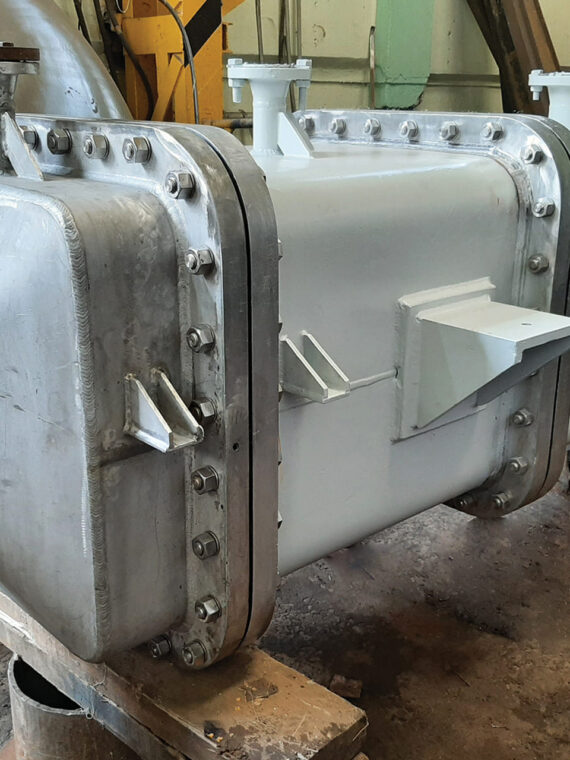
Types Of Industrial Pressure Vessels Used In Uae Oil & Gas And Petrochemicals
The Future of Pressure Vessels in the Middle East
There will continue to be significant interest in energy investments in the Middle East region for decades to come.
Classic oil and gas projects will be growing further while new hydrogen energy, carbon capture technologies, renewable energy integration, and petrochemical facilities will require additional industrial equipment. Pressure vessels will play an important role in all these changes.
From refineries, hydrogen plants, and carbon capture projects, through to chemical processing plants – pressure vessels will continue to serve safely.
Conclusion
The energy transition will bring great new opportunities to pressure vessel manufacturers in the Middle East. With increasing investments in refineries, natural gas processing units, hydrogen projects, and carbon capture facilities, demand for reliable ASME-certified pressure vessels is rising fast.
Pressure vessel manufacturers who can demonstrate engineering capability, ASME certification, advanced manufacturing solutions, and relevant project experience will have many opportunities. For manufacturers of industrial equipment, pressure vessels will become essential elements of future energy projects.
FAQs
What is a pressure vessel?
A pressure vessel is a specially engineered container designed to store gases or liquids at pressures different from atmospheric pressure. They are widely used in oil & gas, petrochemical, power generation, water treatment, and hydrogen production industries.
Why are pressure vessels important in the energy transition?
Pressure vessels play a critical role in emerging energy sectors such as hydrogen production, carbon capture, renewable energy integration, and natural gas processing, helping industries operate safely and efficiently.
How are pressure vessels used in hydrogen projects?
Pressure vessels are essential for hydrogen production, storage, transportation, green ammonia plants, and hydrogen refueling stations. Specialized designs are required due to hydrogen’s unique properties.
What is ASME certification for pressure vessels?
ASME certification ensures that pressure vessels are designed, manufactured, tested, and inspected according to internationally recognized safety and quality standards established by the American Society of Mechanical Engineers.
Why is the Middle East creating more demand for pressure vessels?
Countries such as Saudi Arabia, the UAE, Qatar, Oman, and Kuwait are investing heavily in refineries, gas processing plants, hydrogen projects, and petrochemical facilities, increasing the demand for high-quality pressure vessels.
Which industries commonly use pressure vessels?
Pressure vessels are commonly used in:
- Oil and gas refining
- Petrochemical manufacturing
- Chemical processing
- Power generation
- Fertilizer production
- Water treatment
- Hydrogen production
- Carbon capture facilities
What materials are used to manufacture modern pressure vessels?
Manufacturers use advanced materials such as stainless steel, duplex stainless steel, super duplex alloys, nickel alloys, and clad materials to withstand corrosion, high pressure, and extreme temperatures.
Why are Indian pressure vessel manufacturers competitive in the Middle East market?
Indian manufacturers offer strong engineering expertise, ASME certifications, cost-effective production, and geographical proximity to Middle Eastern countries, making them reliable partners for large industrial projects.
What role will pressure vessels play in future energy projects?
Pressure vessels will remain essential for refineries, hydrogen plants, carbon capture systems, chemical processing facilities, and renewable energy infrastructure as global energy demands continue to evolve.
How can companies choose the right pressure vessel manufacturer?
Companies should evaluate manufacturers based on engineering capabilities, ASME certification, project experience, quality standards, material expertise, and their ability to meet specific industry requirements.