

The Netherlands has become a strategic center for the production of FMCG and the sale of Equipment in Europe. With a well-developed export system, high food safety standards, and an orientation toward innovative manufacturing, the country offers significant opportunities for companies that invest in FMCG production equipment. However, one critical decision that could break a business in this highly competitive market is choosing the right food processing machinery.
For manufacturers, co-packers, and investors, understanding how to select the right industrial food machinery for FMCG operations is critical to achieving efficiency, compliance, scalability, and long-term profitability.
The Reason Why The Netherlands Is A Strategic Market For Fmcg Equipment
The Netherlands is home to world leaders in FMCG such as Unilever, FrieslandCampina, and Heineken, as well as hundreds of mid-sized and contract food producers. This is because it can access the Port of Rotterdam, where it can easily transport both raw materials and finished goods to Europe and other markets worldwide.
Consequently, the market for FMCG equipment in the Netherlands is gradually on the rise, especially equipment that supports automation, hygienic processing, sustainability, and multi-product flexibility.
The FMCG Production Equipment Requirements Knowledge
Rapid response and quality checks are characteristic of FMCG production volumes. The Equipment used in food processing in this sector should operate continuously, maintain consistency, and ensure regulatory compliance.
The significant factors that influence the equipment demand in the Netherlands are:
- Short product life cycles
- Frequent SKU changes
- EU food safety regulations
- Mandatory energy and water efficiency.
This has compelled food manufacturing equipment suppliers in the Netherlands to provide highly specialized, modular, and automation-ready solutions.
FMCG Plants Use Core Food Processing Machinery.
1. Raw Material Handling Equipment
A successful FMCG production starts with the accurate handling of ingredients. Common machinery includes:
- Bulk bag unloaders
- Screw conveyors
- Conveying systems using pneumatic means.
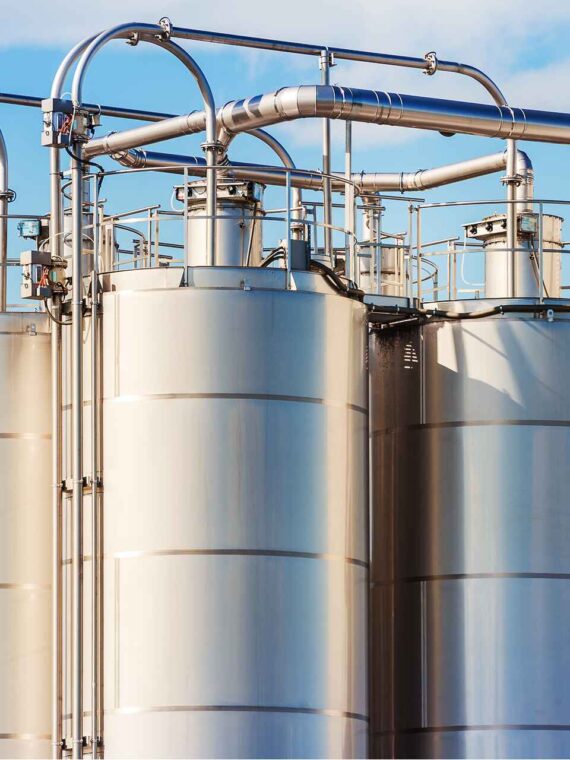
- Silos and dosing systems of ingredients.
The systems reduce material waste and contamination but do not stop production.
2. Mixing, Blending, and Processing Equipment
Consistency is essential for FMCG products, including sauces, dairy, beverages, and ready-to-eat foods.
The commonly used equipment is:
- Ribbon and paddle mixers
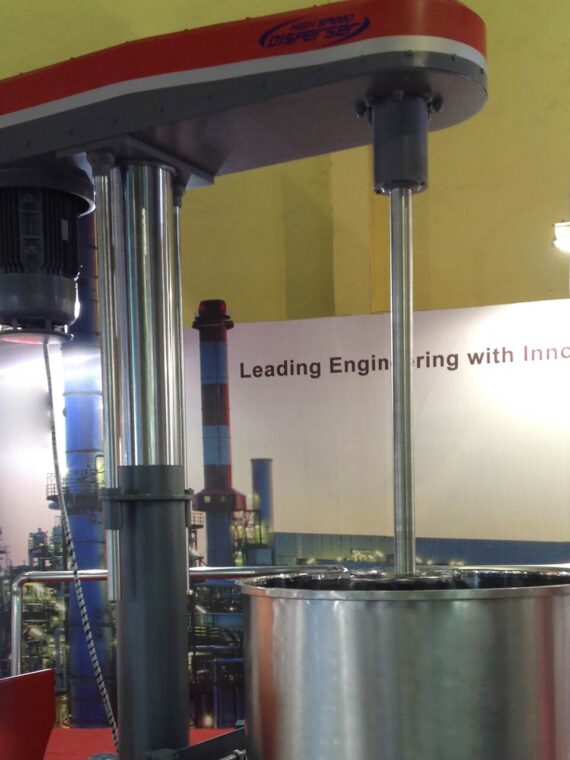
- High-shear mixers
- Homogenizers and emulsifiers.
- Continuous and batch reactor.
Enhanced mixing and reactor technologies ensure consistency in texture, taste, and stability, which are important drivers of brand trust.
3. Thermal Processing Equipment
Thermal treatment is vital for food safety and shelf-life preservation.
Critical handling equipment consists of:
- Pasteurizers
- Sterilizers
- UHT systems
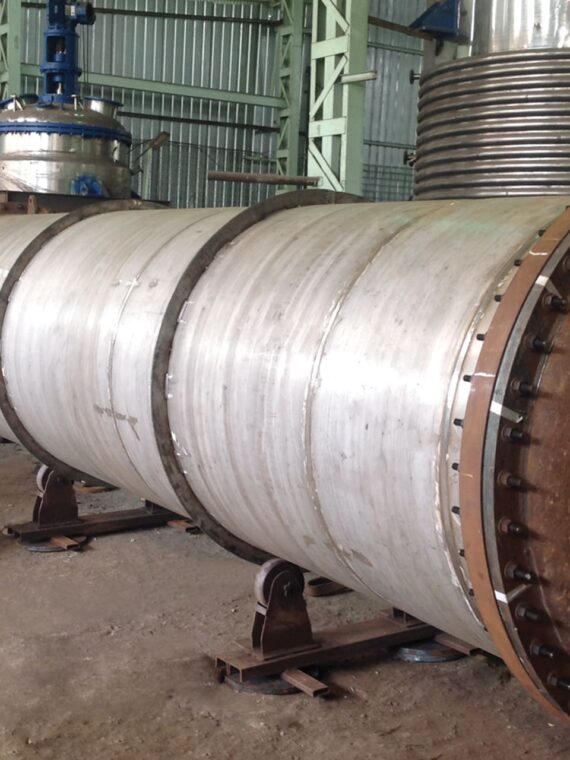
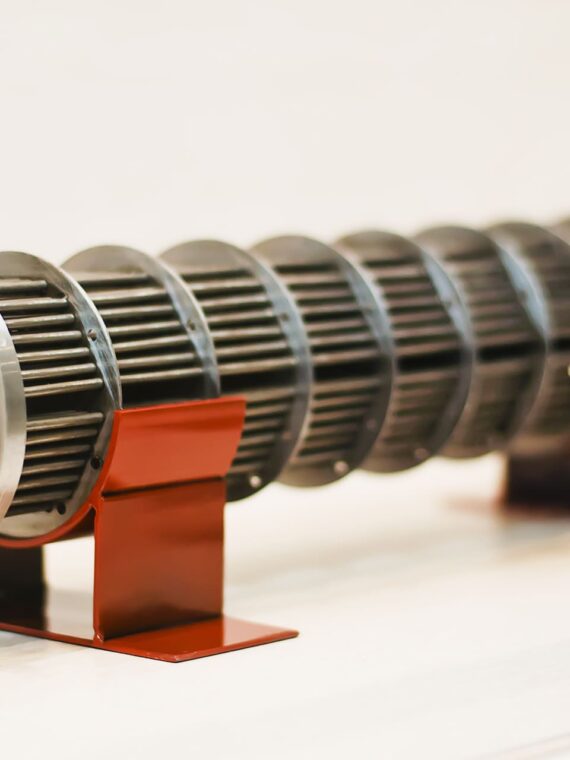
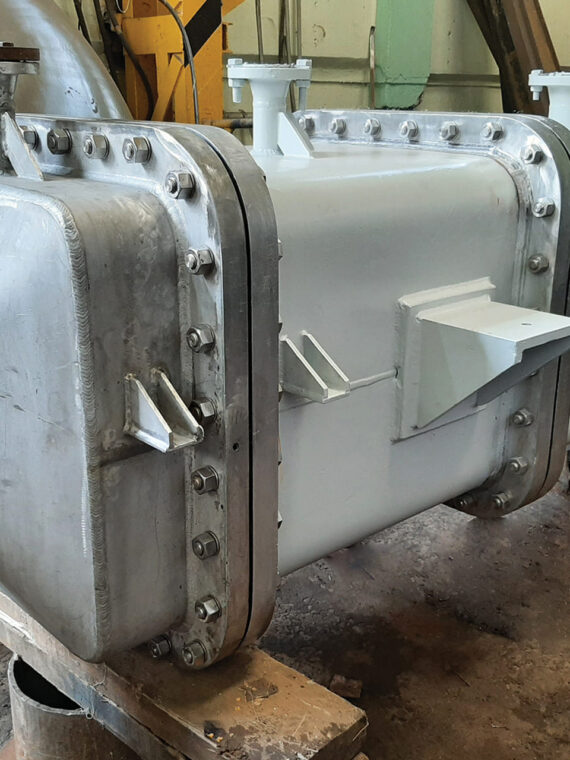
- Plate and shell-and-tube heat exchangers.
In the Netherlands, thermostatic control is significant for dairy, infant, and liquid FMCG products, where excessive processing can lead to quality loss.
You may also like: Application Of Heat Exchangers Used In Food Processing And Nutraceuticals Industry
4. Separation, Filtration, and Refining Systems
In a bid to attain purity and consistency, the manufacturers of FMCGs turn to:
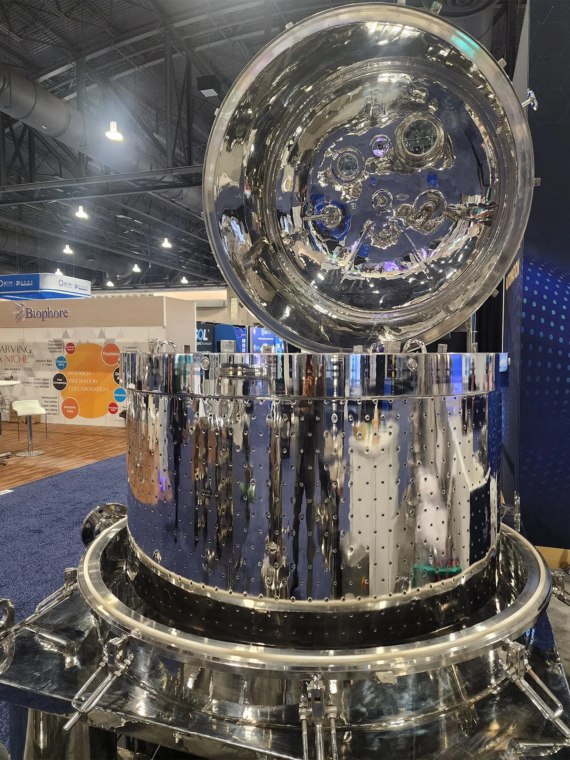
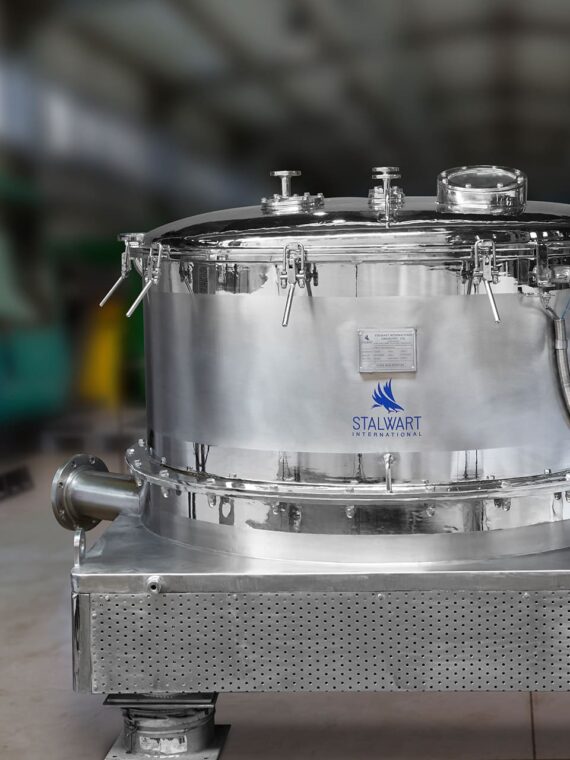
- Centrifuges
- Decanters
- Filters and strainers
- Clarifiers
These systems enhance appearance, eliminate contaminants, and comply with regulatory standards for beverages, oils, and liquid foods.
5. Hygienic Transfer and Storage Equipment
The products are transferred between processing stages with the help of:
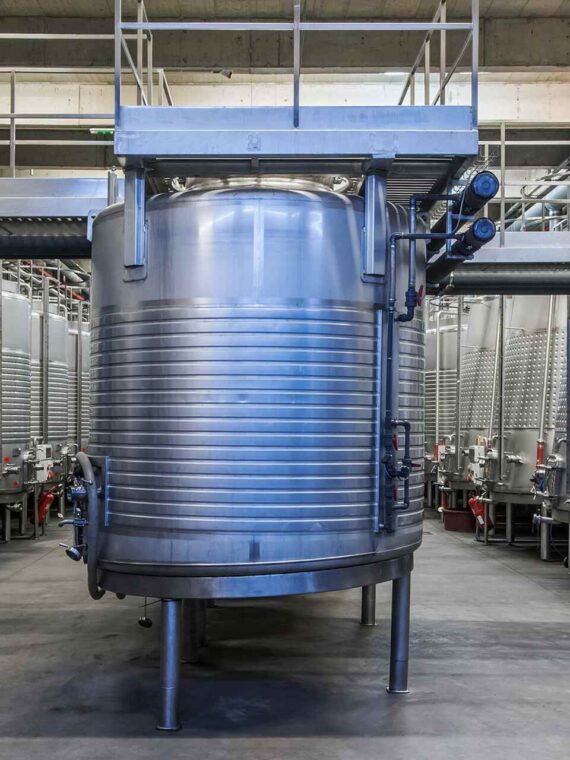
- Storage tanks made of stainless steel.
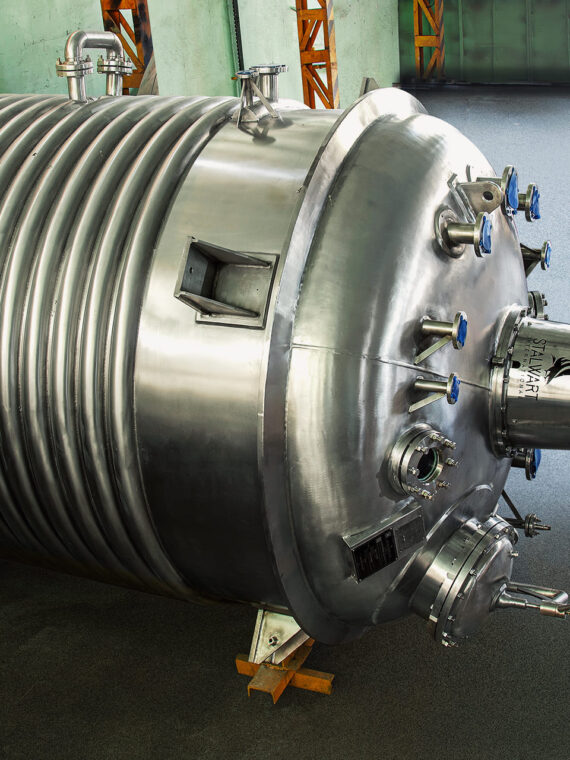
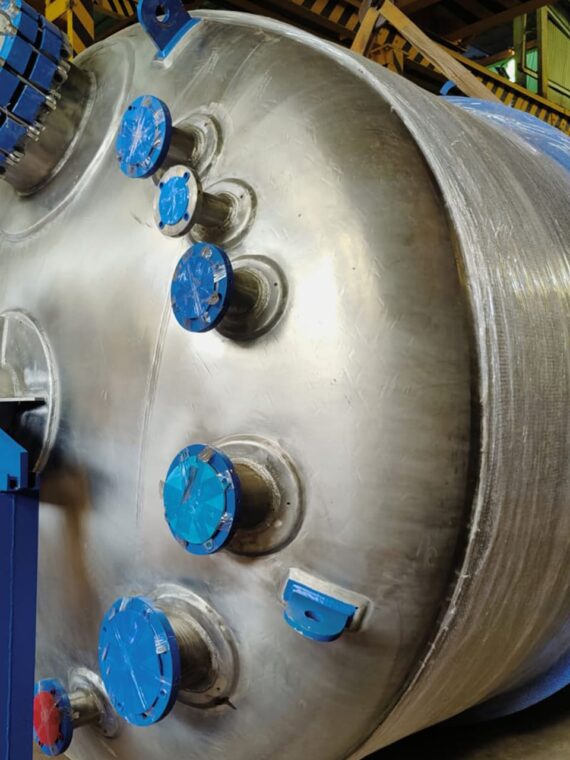
- Pressure vessels
- Agitated tanks
- Food-grade pump (centrifugal, lobe, diaphragm).
All equipment should comply with EU hygiene requirements and facilitate cleaning and inspection.
Compliance and Hygiene: Negotiable Requirement
Compliance is also one of the most significant forces driving food processing equipment manufacturers in the Netherlands. Equipment must support:
- HACCP protocols
- BRCGS and ISO standards.
- EU food contact material legislation.
The Dutch FMCG industry now justly expects CIP (Clean-In-Place) systems, hygienic welds, dead-zone-free devices, and digital traceability.
The FMCG Equipment Sales and Automation and Industry 4.0
FMCG industrial food machinery in the Netherlands is becoming more integrated:
- PLC and SCADA control systems.
- IoT-enabled sensors
- Predictive maintenance instruments.
- Real-time production analytics.
Automation of processes, in addition to increasing throughput, minimizes human error, human dependence, and downtime, making it a major selling factor for FMCG equipment.
Purchasing The Appropriate Food Processing Machinery
In assessing the production equipment in the FMCG, the Dutch manufacturers consider:
- Scalability and capacity of production.
- Multi SKU flexibility.
- Cleaning and maintenance ease.
- Energy and water efficiency
- Local technical support and service.
The correct equipment must address current production requirements and facilitate growth and regulatory adjustments.
Conclusion
Innovation, compliance, and operational efficiency are the drivers in the FMCG equipment sales market in the Netherlands. The selection of appropriate food manufacturing equipment in the Netherlands is no longer simply a technical choice but a strategic investment that directly influences speed, quality, sustainability, and profitability.
Manufacturers that invest in high-level, hygienic, and automated food processing equipment will have an indisputable advantage in their competitiveness, as demand for FMCGs is ever-increasing in Europe. In a business where margins are low and expectations are high, proper equipment will not just help one make, but rather it will be the key to success.
FAQS
What are the common problems with food-making machines?
Common problems include hygiene issues, equipment wear and tear, frequent breakdowns, inconsistent product quality, and high maintenance or energy costs.
What tools and equipment are used in food processing?
Food processing equipment includes mixers, grinders, slicers, conveyors, ovens, pasteurizers, dryers, freezers, and automated packaging systems.
What are the 5 types of food processing?
The five types are primary processing, secondary processing, tertiary processing, preservation processing, and packaging and distribution processing.
What is the Netherlands’ biggest food export?
The Netherlands’ biggest food exports are dairy products, especially cheese, along with meat and processed foods.
Which country is No. 1 in the food industry?
The United States is considered No. 1 due to its large-scale production, advanced technology, and global food brands.
What are the three major types of food processing?
The three major types are primary processing, secondary processing, and tertiary processing.
What are examples of processing equipment?
Examples include industrial mixers, homogenizers, extruders, heat exchangers, separators, fermentation tanks, and packaging machines.