
Manufacturing for Export: India’s Role in Global Supply Chains
Global buyers of process reactors are looking further afield than just traditional fabrication hubs in Western Europe, Japan, and the United States. Disrupted supply chains, soaring fabrication costs in developed markets, and an overall improvement in technical quality from Asian manufacturers have prompted a reconsideration of the sourcing strategy. India is one of the potential destinations for such a purchase, and it is important to understand the reasons behind this trend, as well as what specific capabilities to look for in an Indian chemical reactor manufacturer.
Why Buyers Are Considering India
There are several reasons why India has become an attractive option for buyers seeking to purchase reactors and other process equipment. The first is that the domestic supply of welding professionals has decreased, which has led to higher prices and longer lead times for ASME-code pressure vessels in recent years. Meanwhile, Indian fabricators have been investing heavily in obtaining “U” stamp qualifications, PED compliance, and third-party certifications from Lloyd’s Register, TÜV, and other international organizations. This combination of lower labor costs and higher technical expertise has resulted in India becoming a serious contender for buyers seeking to purchase large-scale equipment.
Another factor that should not be overlooked is India’s domestic market for stainless steel and other materials. India possesses a large domestic market for chemical and pharmaceutical equipment, which in turn has created a demand for process reactors among local fabricators. This has had a positive effect on the technical competence of the domestic manufacturers, as they have been developing their capabilities in accordance with the needs of the local chemical and fertilizer industries.
What “Export-Ready” Means in Practice
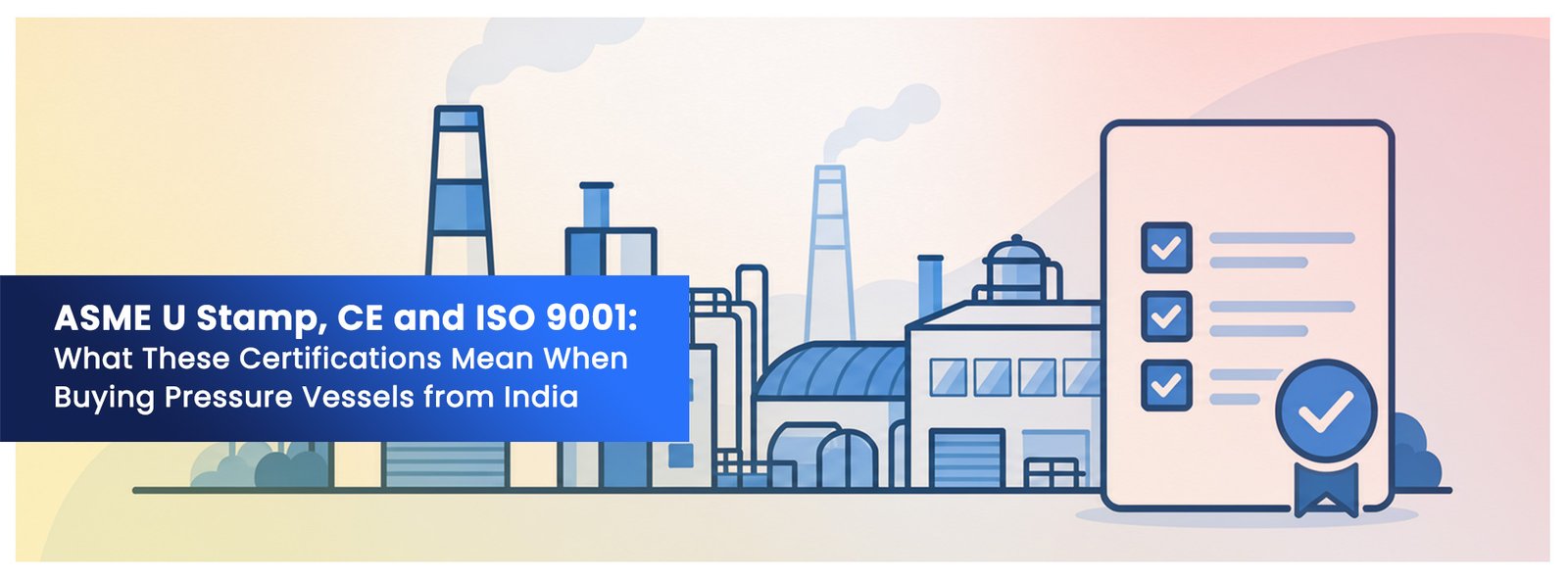
Not all local manufacturers are equal, which means that buyers should look for specific credentials when selecting a potential supplier. First and foremost, buyers should look for ASME U/U2 stamp qualifications with an up-to-date National Board authorization. At the same time, manufacturers should possess PED compliance.
It is also important to ensure that the shortlisted suppliers have a track record of working with international buyers. This includes third-party inspections during the fabrication process, which should be conducted by inspection agencies such as TÜV, Lloyd’s Register, or Bureau Veritas.
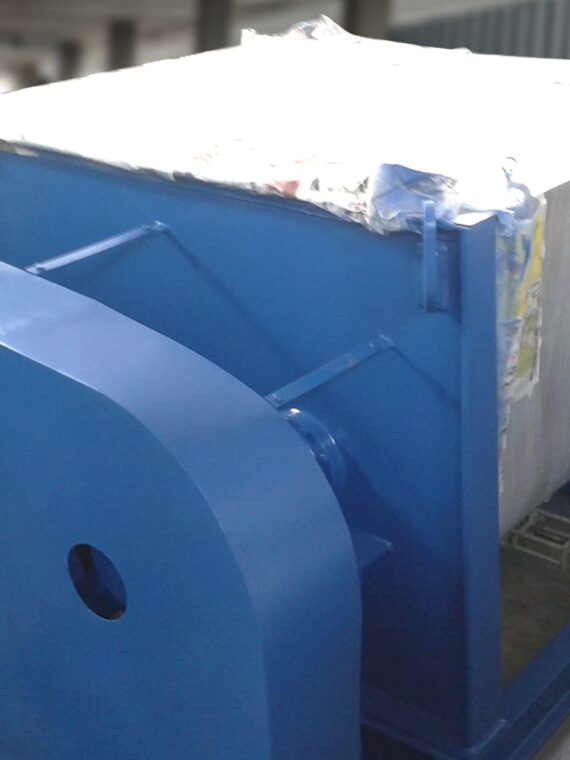
Other factors to consider are the logistics and packing of the equipment, which may involve bracing the vessel for transportation and protecting the internals from moisture. Technical documentation in English is another common requirement, as is the ability to communicate in English for technical specifications and engineering changes. This is especially important for large-scale projects, where design changes often require multiple iterations of approval.
Glass-lined Reactors Are India’s Strongest Export
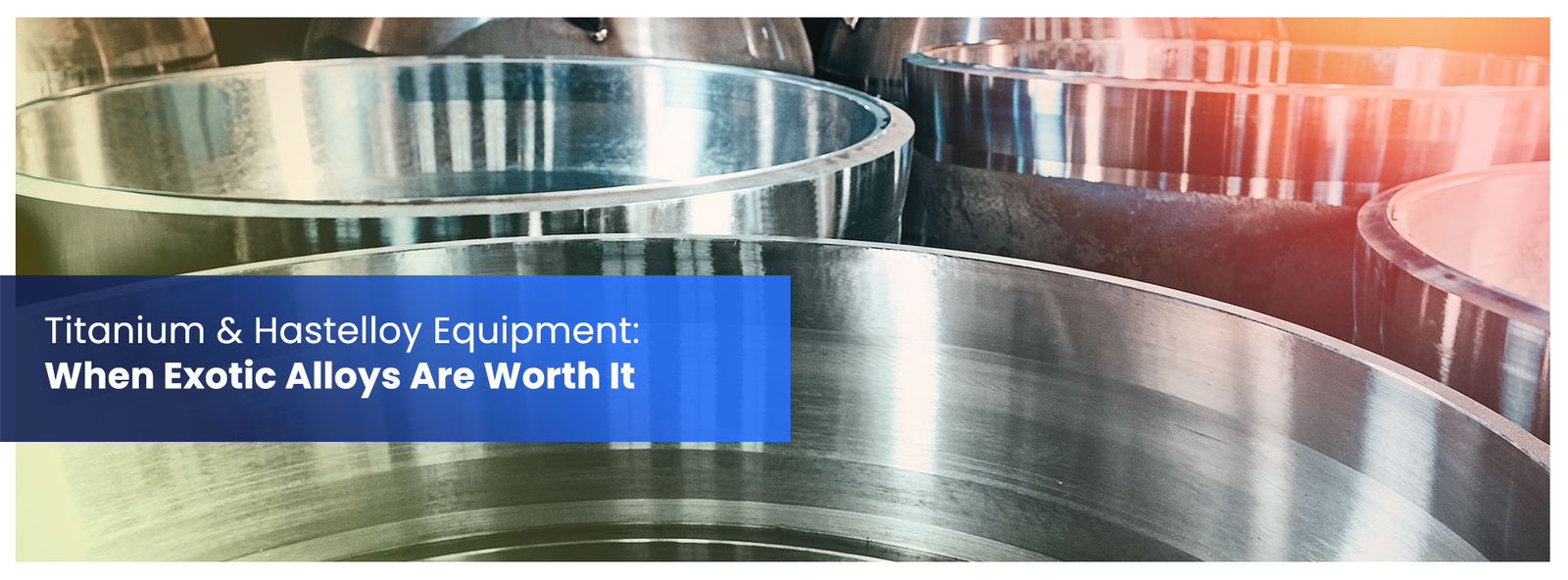
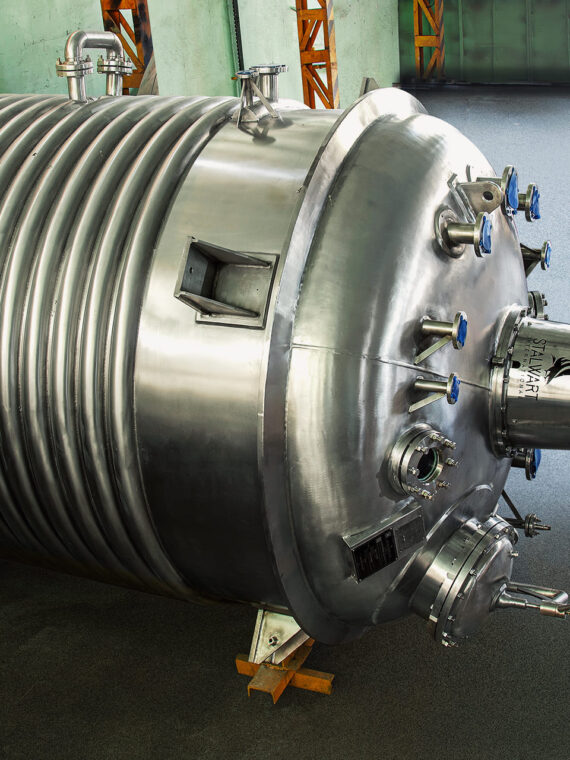
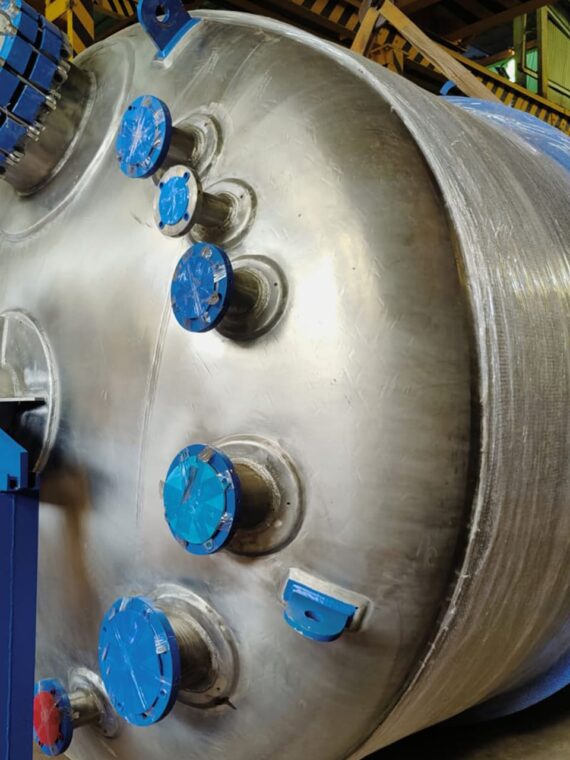
Another common product is stainless steel and Hastelloy-clad reactors for the fine chemical and agrochemical industries.
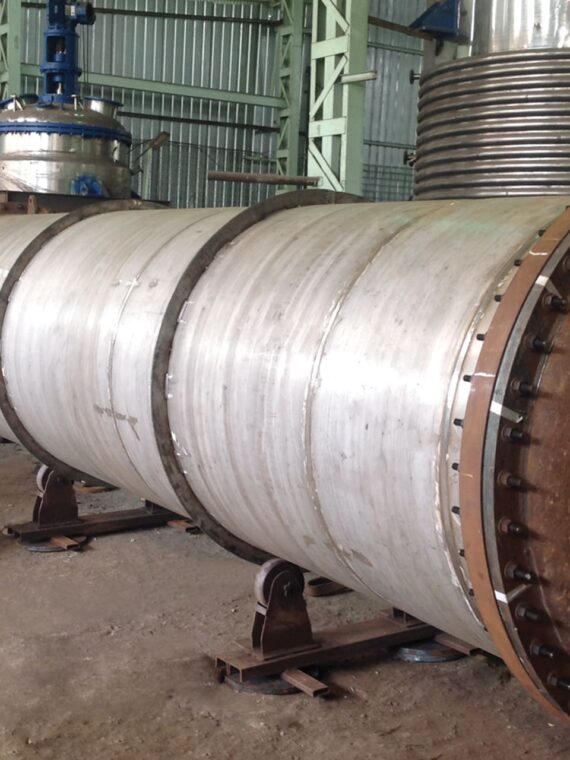
Large-scale carbon steel and low-alloy pressure vessels are another option, with India being well-positioned to fulfill orders for large-scale equipment.
Risk Areas and Additional Recommendations
The export capabilities of Indian manufacturers can vary significantly, which means that due diligence is necessary before placing an order. In particular, buyers should request a list of references from the shortlisted manufacturers, with a particular focus on past projects that have been shipped to the same country. In addition, buyers should verify the authenticity of the manufacturer’s credentials.
Another consideration is the payment terms, with most large-scale projects using a payment schedule that is tied to specific deliverables. It is also common for such contracts to be secured with a letter of credit.
The Big Picture
India’s emergence as a reactor fabrication destination is part of a broader trend, as companies around the world seek to take advantage of the combination of technical expertise and lower prices that can be found in emerging markets. In the context of reactor manufacturing, this means that India can be a viable alternative to traditional suppliers in Europe, the Middle East, and North America. The most important takeaway for buyers is that India is now a serious entrant in the global reactor market, but due diligence is necessary to ensure the competence of the selected manufacturer. As more Indian manufacturers gain experience in fulfilling international orders, this due diligence process becomes less time-consuming and more routine.
FAQs
Why is India becoming a popular choice for reactor manufacturing for export?
India offers a combination of lower fabrication costs, growing technical expertise, and experience serving chemical, pharmaceutical, and other process industries. Indian manufacturers are also increasingly obtaining international certifications and qualifications required for export projects.
What certifications should I look for in a reactor manufacturer for export?
Look for manufacturers with ASME U/U2 stamp qualifications, current National Board authorization, and PED compliance. Third-party certifications and inspections from organizations such as TÜV, Lloyd’s Register, or Bureau Veritas can also provide additional assurance.
What does an export-ready reactor manufacturer need to provide?
An export-ready manufacturer should have appropriate pressure-vessel qualifications, experience with international customers, third-party inspection capabilities, suitable packing and transportation procedures, English technical documentation, and effective communication for engineering changes.
Which types of reactors can Indian manufacturers supply for export?
Indian manufacturers can supply several types of process equipment, including glass-lined reactors, stainless steel and Hastelloy-clad reactors, and large carbon steel and low-alloy pressure vessels.
Are Indian reactor manufacturers suitable for international projects?
Yes, India can be a viable alternative to traditional reactor suppliers in Europe, the Middle East, and North America. However, buyers should conduct appropriate due diligence to verify the manufacturer’s technical capabilities, certifications, references, and international project experience.
How can I verify a reactor manufacturer before placing an export order?
Request references for previous international projects, especially projects shipped to the same destination country. Buyers should also verify the authenticity of the manufacturer’s certifications and credentials before placing an order.
Why are third-party inspections important when exporting reactors?
Third-party inspections help verify fabrication quality and compliance during manufacturing. Agencies such as TÜV, Lloyd’s Register, and Bureau Veritas may be involved in inspecting equipment for international projects.
What should buyers consider when shipping reactors internationally?
International reactor shipments may require appropriate vessel bracing for transportation and protection of internal components from moisture. Proper logistics and export packing should therefore be considered during supplier selection.
What payment terms are common for large reactor export projects?
Large-scale reactor projects commonly use payment schedules linked to specific project deliverables. Contracts may also be secured through a letter of credit, depending on the project and parties involved.
What should I consider when choosing an Indian reactor manufacturer for export?
Consider the manufacturer’s international project history, ASME and PED credentials, third-party inspection experience, technical documentation, logistics and packing capabilities, references, and ability to communicate effectively throughout engineering and fabrication.