
The global equipment market is currently experiencing a significant increase in demand. This growth is primarily driven by the rising production rates of the pharmaceutical and specialty chemical sectors, plus ongoing plant upgrades and optimization projects.
As chemical and pharma manufacturers seek to diversify their supplier base in accordance with the “China Plus One” sourcing strategy, global buyers are turning to alternative destinations in search of high-quality process machinery.
Whether you are an engineering buyer or an equipment manufacturer, it is crucial to understand which categories of machinery are in the highest demand and what specific requirements they must satisfy.
Top Export Equipment Categories in Chemical Processing
Modern chemical production facilities require sophisticated equipment to withstand high pressures, extreme temperatures, and other challenging conditions. The most demanded machinery can be grouped into four major categories:
1. High-Pressure Reactors & Glass Lined Vessels
The most common equipment found in a chemical processing plant is various types of reactors. The growing API and fine chemical production capacity worldwide has sparked demand for:
- Glass-lined reactors – in particular, North American and European buyers are showing consistent interest for this type of corrosion-resistant equipment.
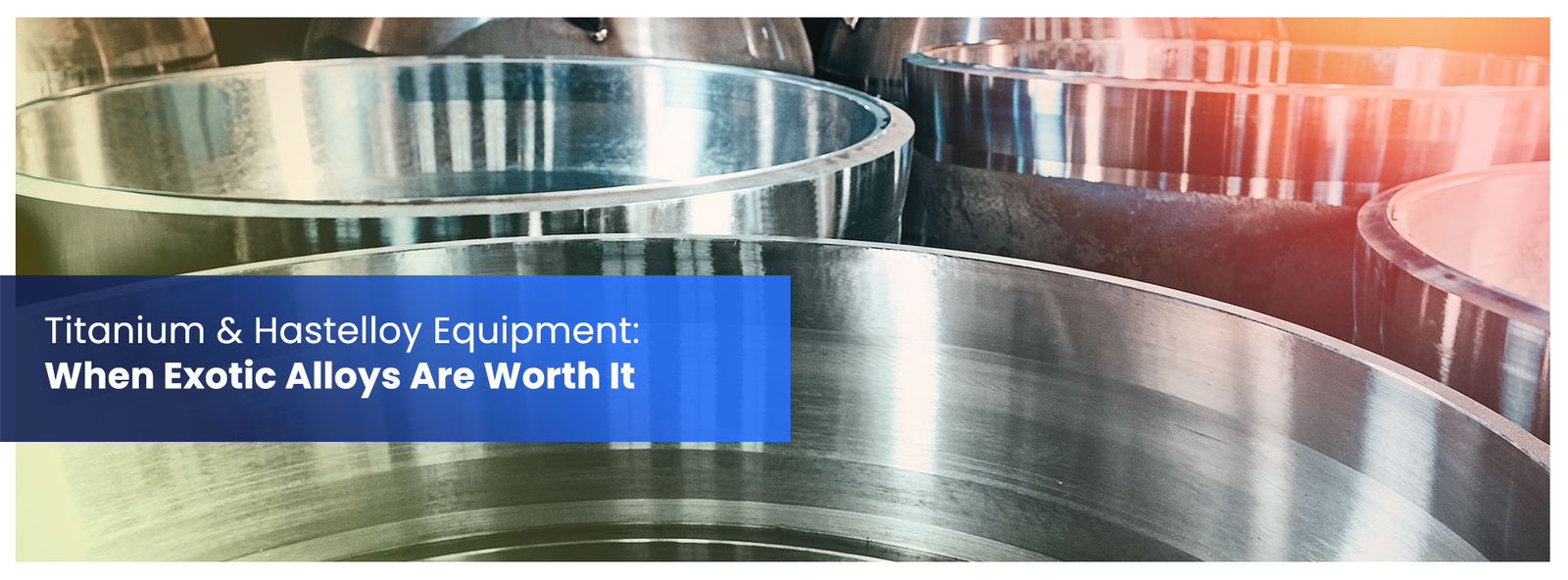
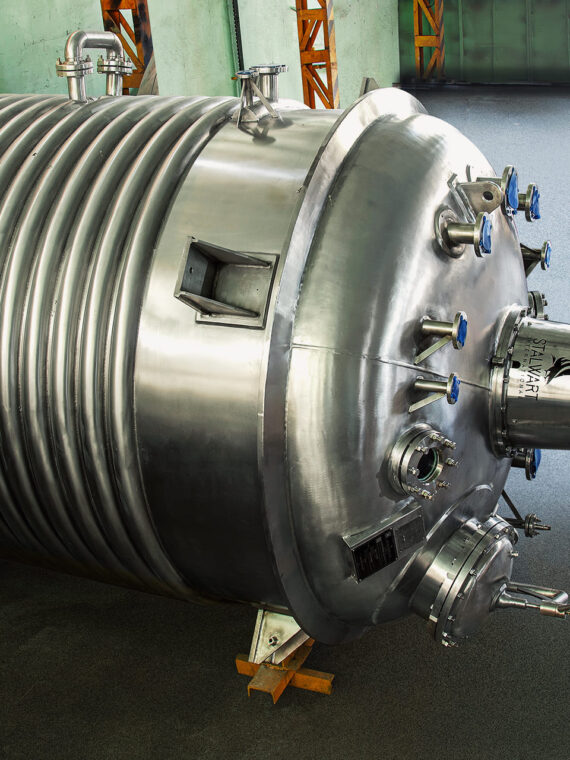
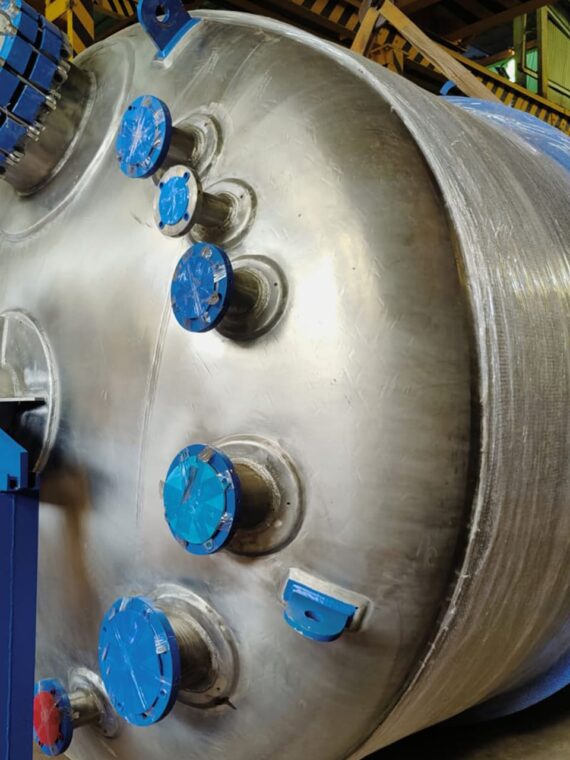
- Exotic alloy reactors made of Hastelloy, Titanium, Inconel, and 316L Stainless Steel capable of withstanding high-pressure vessels and extreme temperatures.
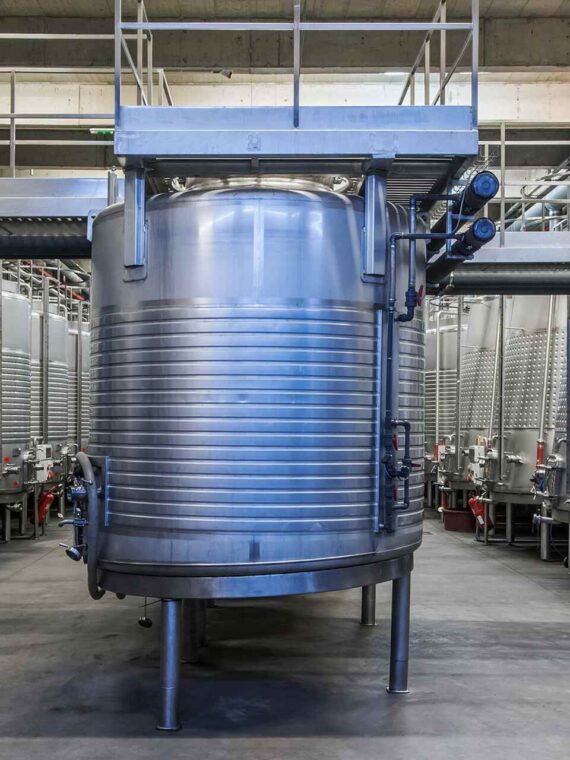
- Autoclaves and jacketed kettles with heating/cooling jackets.
2. Heat Exchangers
A wide variety of thermal exchange equipment falls under this category, including:
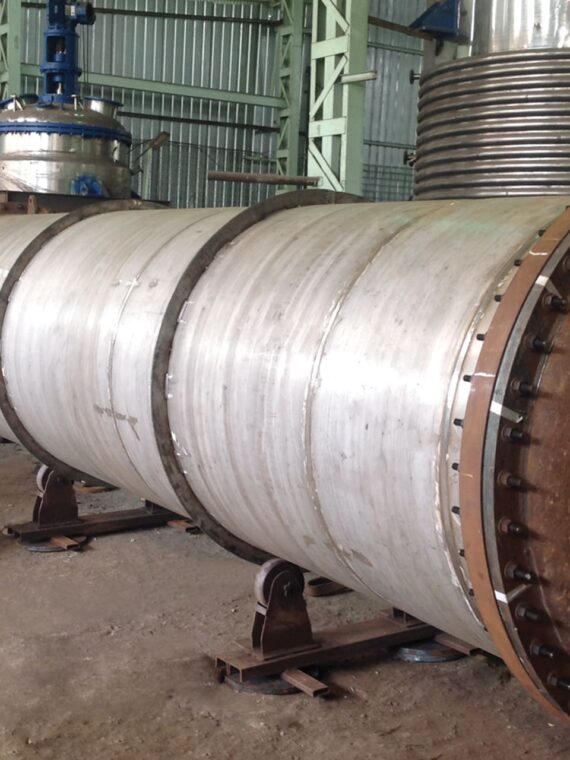
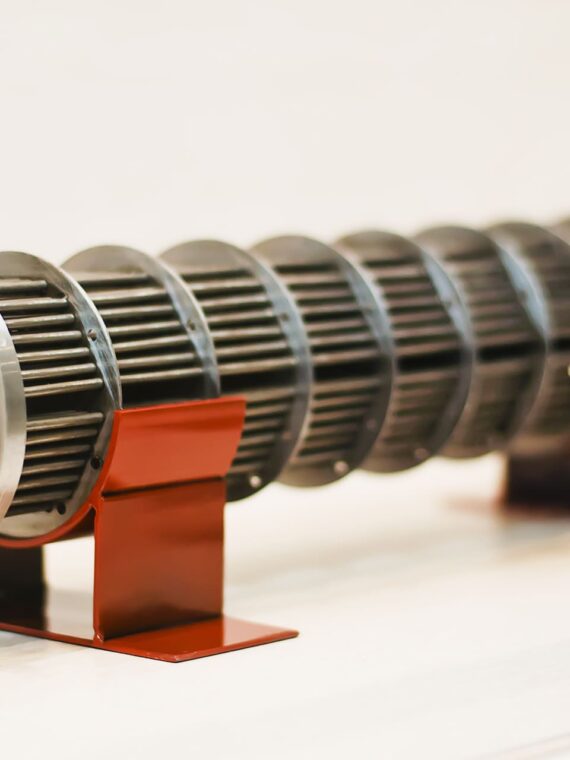
- Shell & tube heat exchangers – a popular choice for petrochemical and bulk chemical manufacturers.
- Compact plate & frame heat exchangers – growing in popularity due to their relatively small size and enhanced heat transfer properties.
- Waste heat recovery units – increasingly in demand in Europe and North America due to the region’s commitment to carbon neutrality.
3. Distillation, Evaporation & Separation Equipment
This category covers a wide range of industrial machinery, including evaporators, distillation towers, and fluid scrubbers. The most commonly exported separation equipment includes:
- Fractionating/distillation columns – often feature structured packing and advanced tray technologies.
- Agitated thin film evaporator (ATFE wiped film evaporator (WFE) – high-end equipment designed for the continuous evaporation of heat-sensitive botanical extracts and pharmaceutical compounds.
- Industrial scrubbers – both wet and dry gas scrubbers remain in demand among chemical plant owners and operators.
4. Drying & Filtration Equipment
Separation and isolation equipment is in particularly high demand in the pharma and fine chemical sectors. The most popular options include:
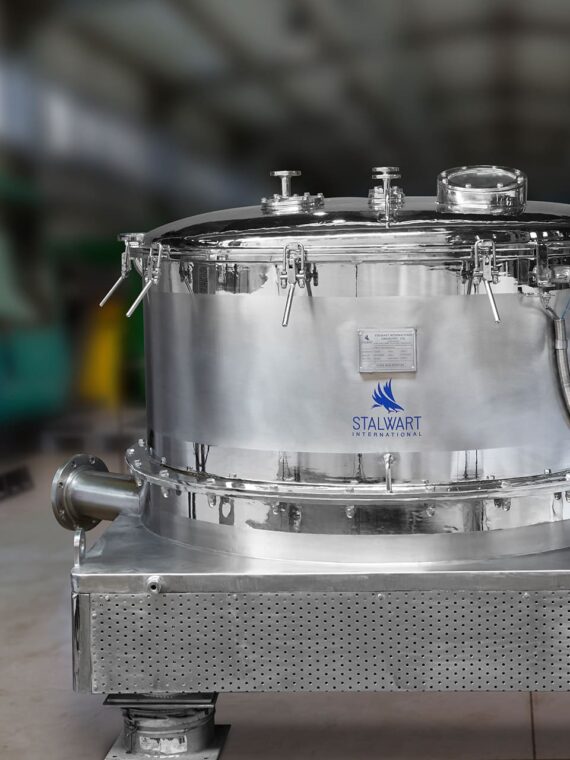
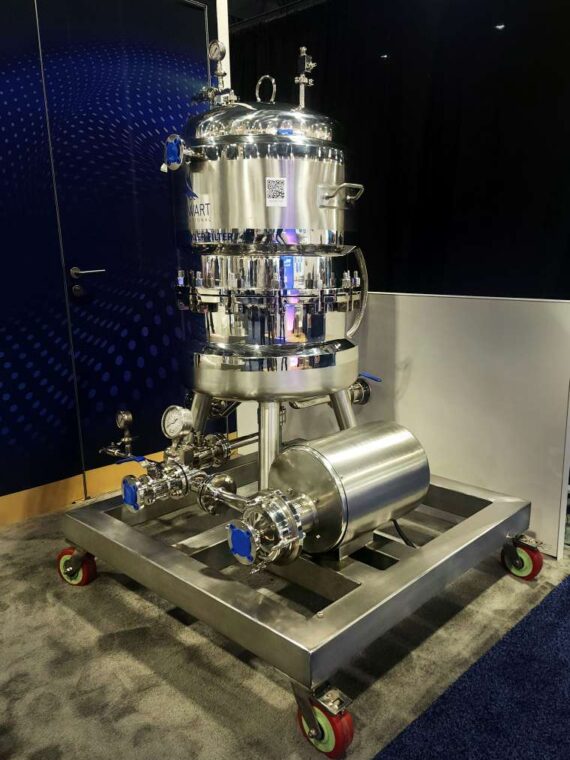
- Agitated nutsche filter dryer (ANFD) – an ultra-modern multifunctional machine used to isolate solids from liquids; among the most demanded export equipment types.
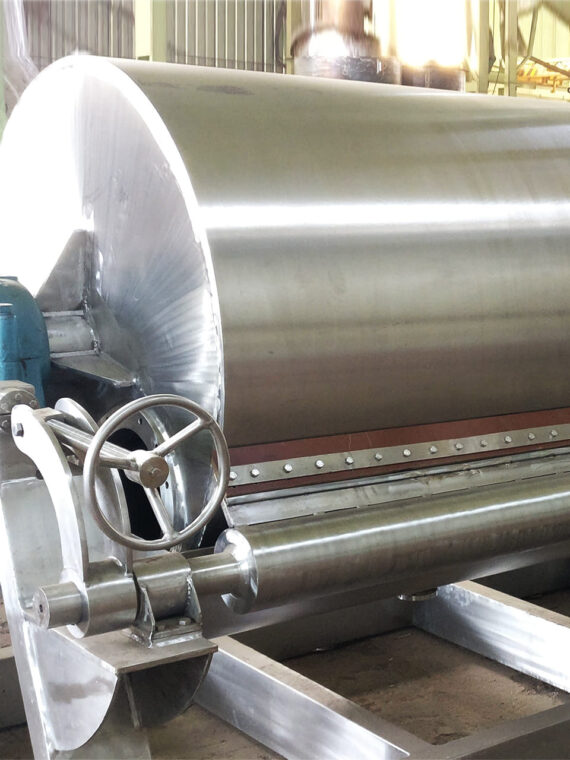
- Rotary vacuum paddle dryer (RVPD) – a well-established technology used to remove solvents from a wide range of heat-sensitive materials.
Why The Netherlands Is Emerging As A Hub For Advanced Chemical Process Equipment Import
Key Trends Affecting Chemical Equipment Trade
Suppliers of industrial equipment must keep up with the latest trends in order to remain competitive and get their products bought. To succeed in the international market, equipment manufacturers must stay ahead of the curve and incorporate emerging trends into their production process. The most important trends affecting chemical equipment trade are:
1. International Quality Standards
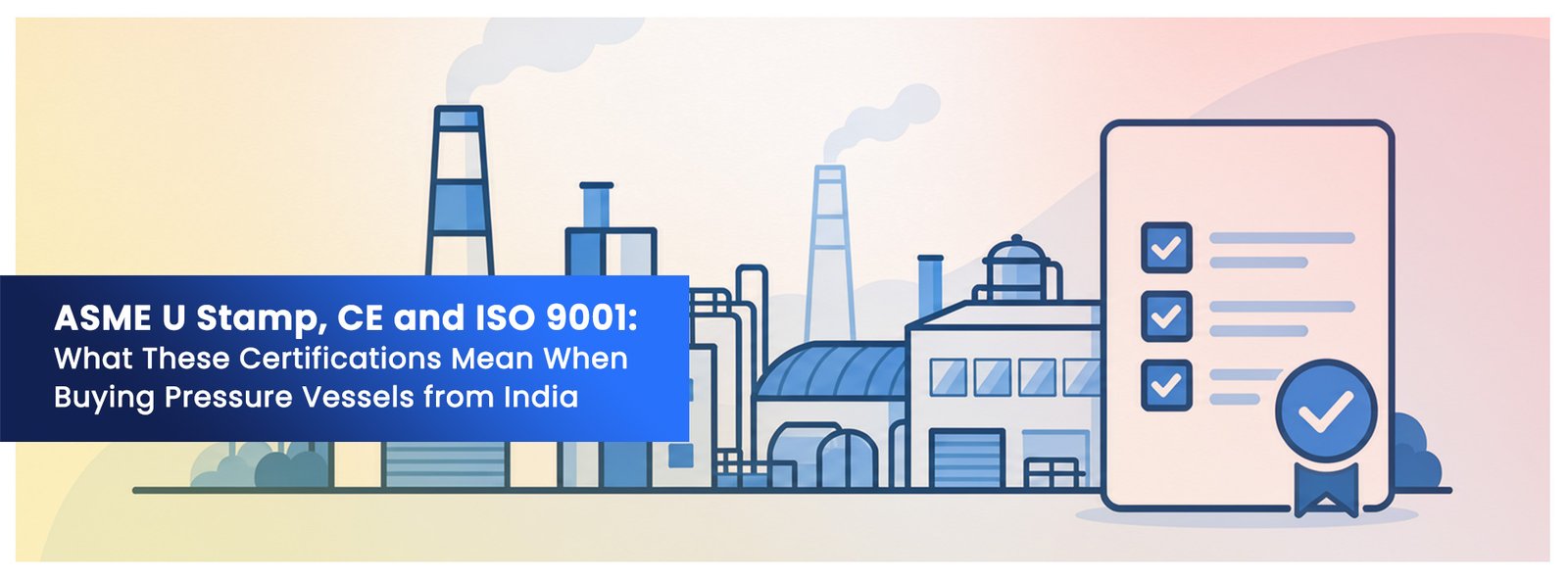
Equipment sold in the international marketplace must satisfy a battery of international quality standards. For example, to enter the North American market, manufacturers must be able to provide ASME Code Stamp (U, U2, S). Meanwhile, CE conformity and PED (Pressure Equipment Directive 2014/68/EU) is a mandatory requirement for the European Union.
Furthermore, equipment with electrical components and rotating machinery parts often require ATEX certification. Note that while these certifications add significantly to the equipment’s final cost, they provide substantial value in international sales, with certified products typically commanding a 30–40% premium over their non-certified counterparts.
2. Industry 4.0 & Smart Equipment
The chemical equipment market is witnessing a paradigm shift towards smart digital technology. Over the last five years, international buyers have been showing a clear preference for connected machines featuring IoT-enabled remote condition monitoring, predictive maintenance diagnostics, and automated system controls. The most desired smart equipment technologies include:
- IoT data analytics and remote access – enables real-time performance tracking of the equipment.
- Condition monitoring – facilitates predictive maintenance of rotating machinery and identifies potential risks of seal or gasket failure before they occur.
- PLC and SCADA automated controls – provides remote access to equipment’s primary functions.
3. Sustainable Equipment & Advanced Coatings
Operators of chemical processing plants are increasingly interested in long-lasting equipment featuring innovative surface protection technologies. As a result, there has been a sharp increase in demand for fluoropolymer-lined equipment (PTFE, PFA), as well as bimetallic and double-clad machinery designed to resist aggressive chemical media.
Regional Trade Dynamics: Who is Buying and Who is Supplying?
Chemical equipment buyers must consider a number of regional differences when selecting machinery. The Asia-Pacific region encompasses the majority of the world’s manufacturing capacity. Engineers and buyers in this region are extremely price-conscious, which often leads to the selection of entry-level equipment. At the same time, India and China also possess extensive domestic markets, making large-scale production of high-volume machinery more economical. North
America plays a prominent role as an importer of high-end equipment, including large-scale pressure vessels and modular pharmaceutical equipment.
Meanwhile, the European market favors sustainable technologies, often specifying heat recovery equipment and ATEX-certified machinery. Finally, the Middle East is a major buyer of large-volume industrial equipment, including heavy-duty distillation columns, gasifiers, and shell-and-tube heat exchangers.
Strategic Checklist for Sourcing Export-Grade Chemical Equipment
If you are a plant owner or operator looking to buy process equipment, ensure that the manufacturer you are dealing with possesses the following credentials:
- Positive Material Identification (PMI) and mill test certificate 3.1 for all pressure parts.
- Third-party inspection (TPI) performed by an independent international organization.
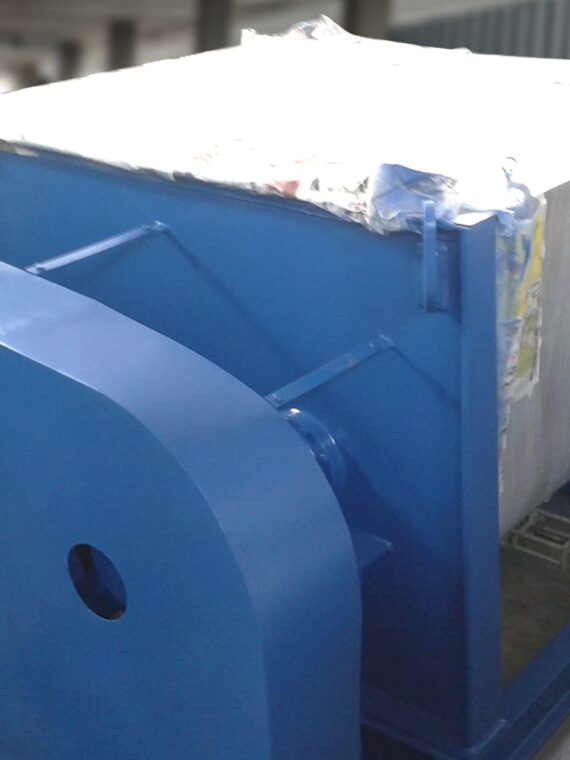
- Proper packaging to prevent damage during transportation.
If you are in the process of upgrading or expanding your chemical processing facility, consider reaching out to a trusted equipment manufacturer to discuss your requirements and obtain relevant equipment specifications.
FAQs
What are the most exported types of chemical equipment?
The most commonly exported chemical equipment includes high-pressure reactors, glass-lined vessels, heat exchangers, distillation systems, evaporators, industrial scrubbers, agitated nutsche filter dryers (ANFD), and rotary vacuum paddle dryers (RVPD).
Why is global demand for chemical processing equipment increasing?
Demand is growing due to expanding pharmaceutical and specialty chemical production, plant modernization projects, and the global shift toward diversified sourcing under the China Plus One strategy.
Which certifications are important for exporting chemical equipment?
Export-grade chemical equipment typically requires certifications such as ASME Code Stamp, CE Marking, PED (Pressure Equipment Directive), and ATEX certification, depending on the destination market.
Which countries and regions import the most chemical equipment?
North America imports high-end pressure vessels and pharmaceutical equipment, Europe focuses on sustainable and certified machinery, the Middle East purchases heavy-duty industrial equipment, and Asia-Pacific remains a major manufacturing and consumption hub.
What smart technologies are being adopted in chemical equipment?
Modern chemical equipment increasingly includes IoT-based monitoring, predictive maintenance, PLC and SCADA automation, and remote performance tracking to improve efficiency and reduce downtime.
How is sustainability influencing chemical equipment exports?
Manufacturers are developing equipment with waste heat recovery systems, advanced fluoropolymer linings, corrosion-resistant materials, and energy-efficient designs to meet stricter environmental requirements.
What should buyers check before purchasing export-grade chemical equipment?
Buyers should verify material certifications, third-party inspection reports, manufacturing quality standards, compliance certifications, and proper export packaging before placing an order.
Which industries use export-grade chemical equipment?
These machines are widely used in pharmaceutical manufacturing, specialty chemicals, petrochemicals, food processing, biotechnology, and industrial process manufacturing.
What materials are commonly used for high-performance chemical reactors?
High-performance reactors are commonly manufactured using glass lining, Hastelloy, Titanium, Inconel, and 316L stainless steel to withstand corrosion, pressure, and extreme temperatures.
Why is export-quality chemical equipment important for international buyers?
Export-quality equipment offers better safety, compliance with international standards, longer service life, higher operational efficiency, and reliable performance across demanding industrial applications.